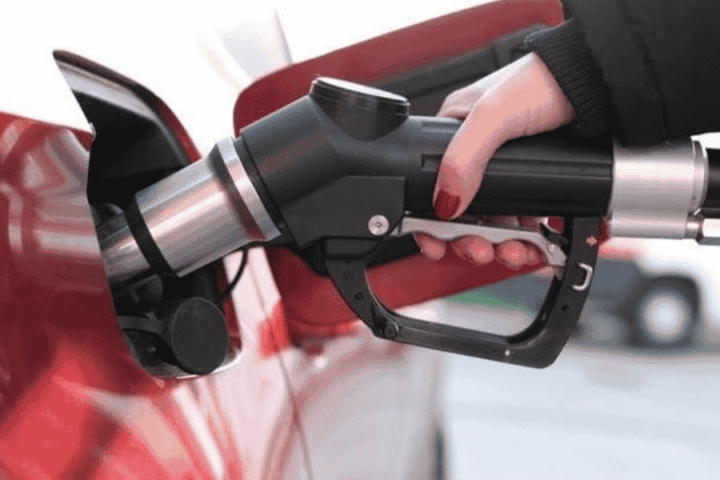
The City of Johannesburg is facing mounting service delivery pressures after financial difficulties forced the suspension of refuelling services for the Johannesburg Roads Agency (JRA), effectively grounding its operational fleet and disrupting critical infrastructure maintenance across the metro.
The suspension took effect on 15 June and remains in place, raising concerns about the city’s ability to respond to potholes, faulty traffic signals, stormwater blockages and other road-related emergencies.
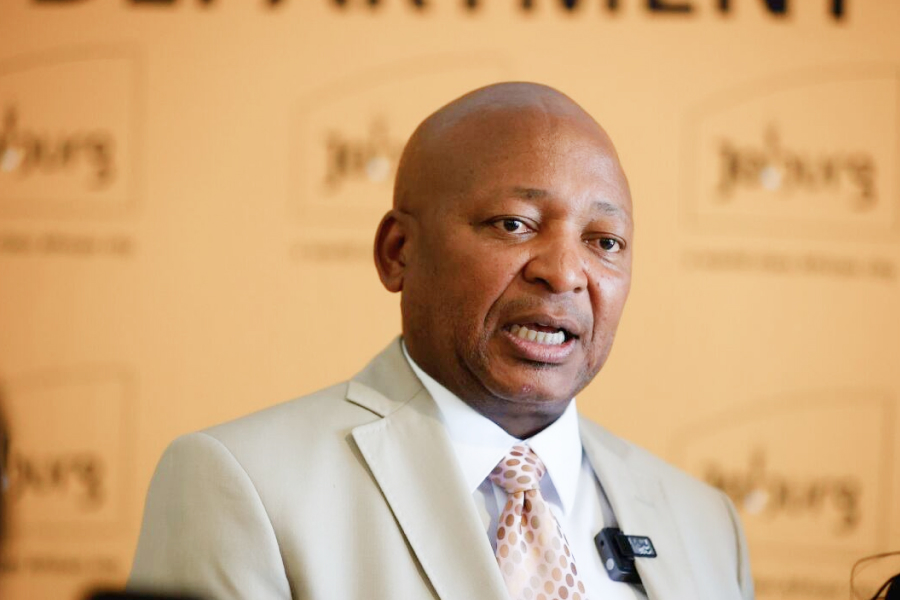
MMC for Transport Kenny Kunene warned on Tuesday that Johannesburg’s worsening liquidity challenges have moved beyond financial management concerns and are now directly affecting residents on the ground.
“The financial and liquidity challenges facing the City of Johannesburg have moved from balancing books to the daily reality on our streets,” Kunene said.
“Grounding the JRA fleet by cutting off fuel services means we are effectively cutting the lifeblood of our operations on the ground.”
According to Kunene, the suspension has halted both proactive and emergency road maintenance operations.
This includes pothole repairs, traffic signal maintenance, emergency stormwater and road clearing operations, as well as bridge inspections and routine infrastructure assessments.
Without fuel, JRA field teams are unable to travel to work sites, leaving the city vulnerable to growing maintenance backlogs and increased safety risks.
“Without fuel, our dedicated JRA teams cannot reach the potholes that need fixing or the broken traffic signals that keep our economy moving,” Kunene said.
“This is not just an administrative hurdle, but a direct threat to the safety of our commuters, the integrity of our economy and the daily lives of Johannesburg residents.”
The MMC said the transport portfolio is urgently engaging the city’s finance department and executive leadership to find an immediate solution.
“The current status quo is entirely unsustainable,” he added.
The City has apologised to residents and businesses for the disruptions and warned motorists to expect delays at affected intersections while exercising caution on roads where maintenance work has been delayed.
The crisis has also sparked political criticism, with the Democratic Alliance claiming the fuel shortages extend beyond the JRA and could affect several municipal entities.
DA Johannesburg caucus leader Belinda Kayser-Echeozonjoku said this problem may also be impacting entities such as Johannesburg Water and Pikitup.
“The consequences for residents are obvious — a standstill in service delivery,” she said.
“Potholes cannot be repaired, traffic lights cannot be fixed, refuse cannot be collected and water infrastructure faults cannot be attended to.”
The DA argued that the situation raises serious questions about the city’s financial health, particularly as it comes shortly after council approved Johannesburg’s latest budget.
“Residents were told by the Mayor in his State of the City Address that the city was ready to deliver services, yet we now find ourselves in a situation where basic operational requirements such as fuel appear to be unaffordable,” Kayser-Echeozonjoku said.
The party further linked the fuel crisis to broader concerns over the city’s finances, alleging that senior officials had recently faced pressure relating to a proposed politically facilitated wage agreement with the South African Municipal Workers’ Union (SAMWU).
The DA claimed Johannesburg cannot afford additional financial commitments while struggling to fund basic operational requirements.
“A city that cannot afford fuel for its vehicles cannot afford additional R10 billion financial commitments that place even more pressure on already stretched finances,” the party said.
The latest developments come as Johannesburg continues to battle persistent financial pressures, with city officials increasingly warning that liquidity constraints are affecting the municipality’s ability to maintain service delivery standards.