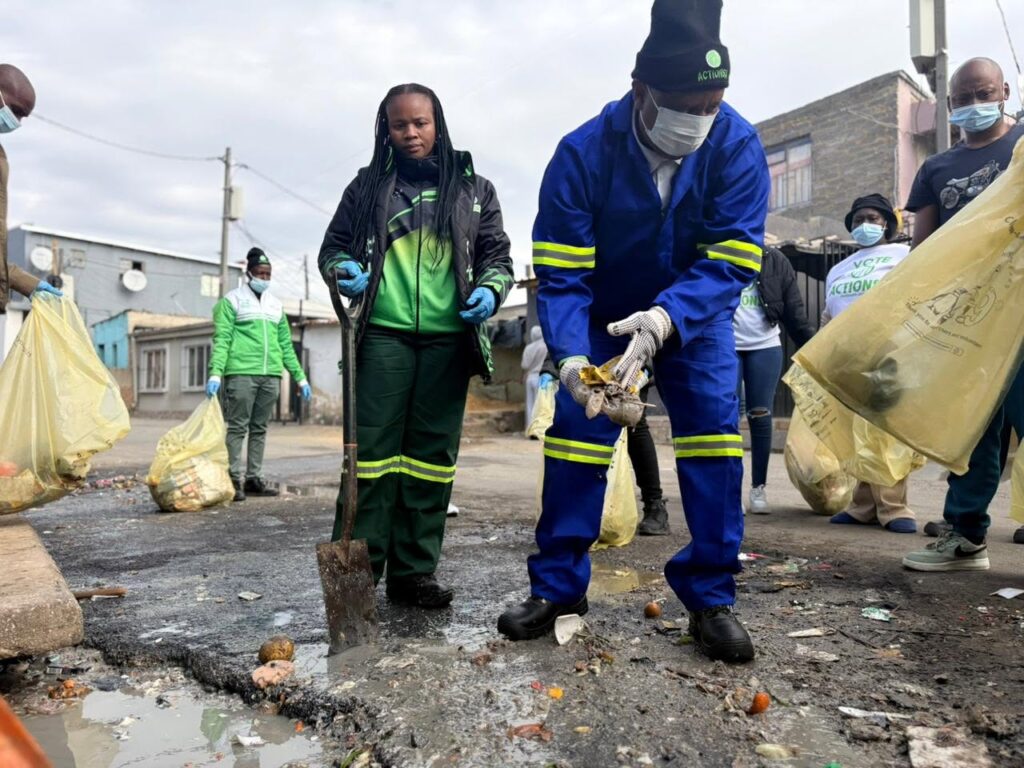
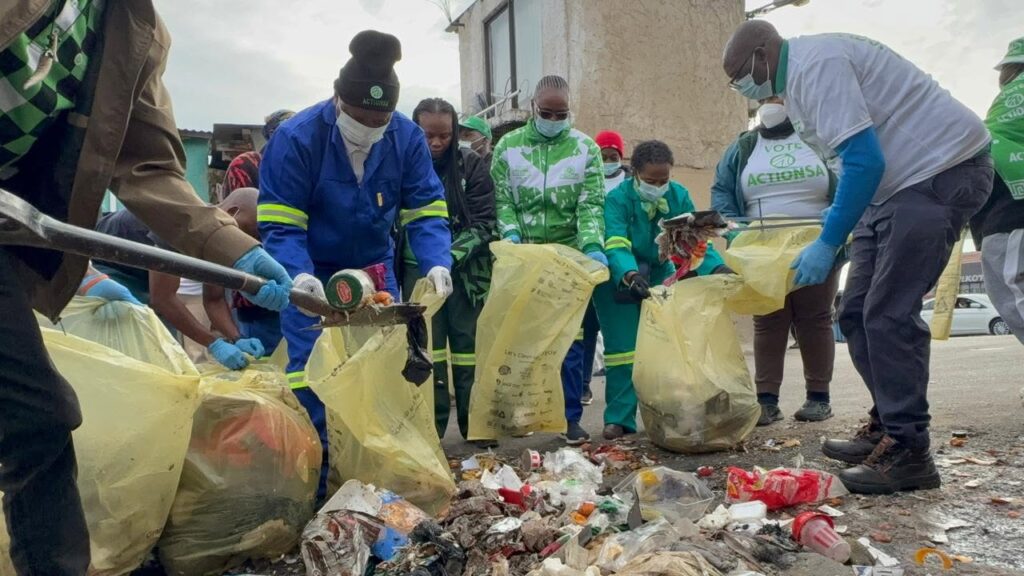
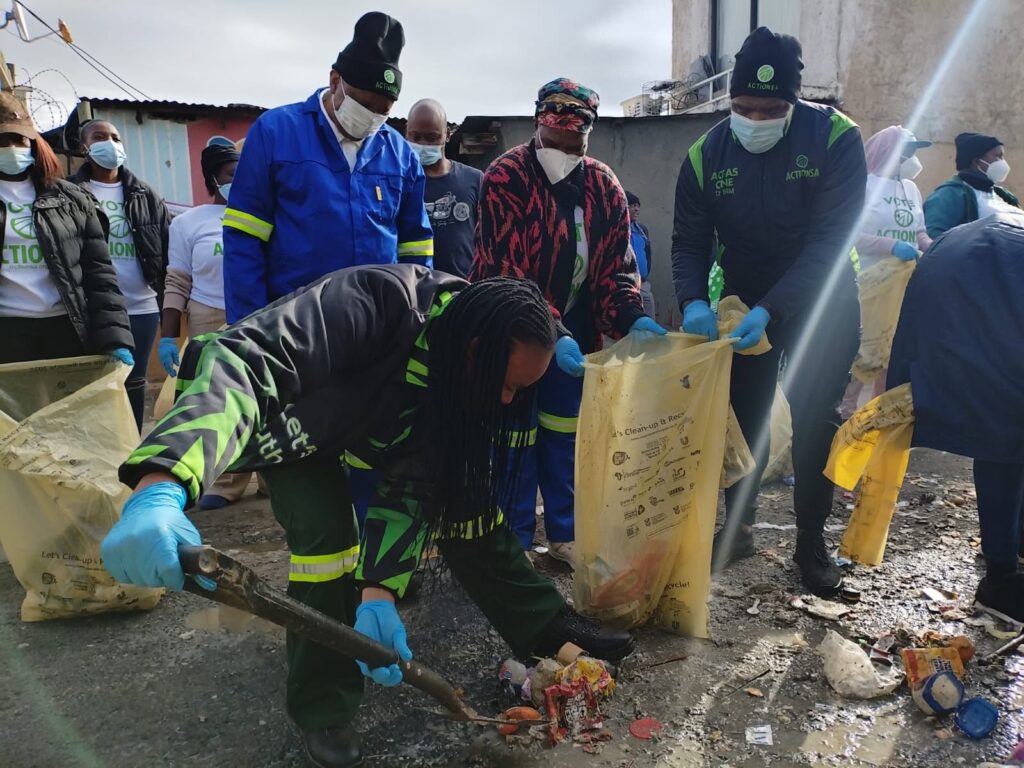
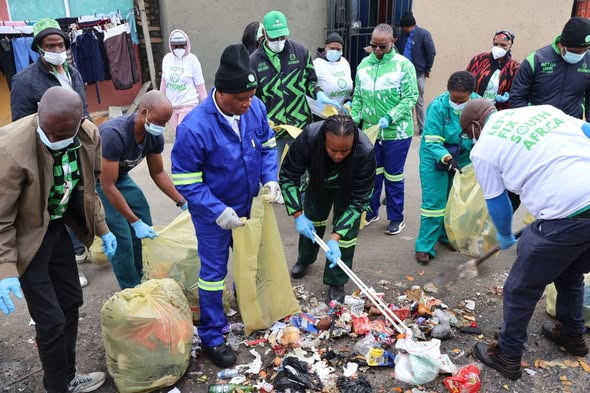
This week, I joined residents of Alexandra to relaunch A Re Sebetseng, a community-driven cleanup campaign that seeks to restore dignity to our neighbourhoods and reconnect citizens with the places they call home.
For some, a cleanup campaign may seem like a small intervention in a city facing enormous challenges. Johannesburg is battling failing infrastructure, growing unemployment, crime, illegal dumping and deteriorating public services. Against these realities, picking up litter may appear insignificant.
I believe the opposite is true. The condition of our streets tells us a great deal about the condition of our society.
Long before I entered politics, my wife and I travelled to Rwanda to better understand how a nation that had experienced one of the most devastating genocides in modern history had managed to rebuild itself. During our visit, one thing stood out immediately. The country was remarkably clean.
Whether we were in Kigali or travelling through rural communities, the same commitment to cleanliness was visible everywhere. We learned that following the 1994 genocide, during which more than 900,000 people were killed in just 100 days, the Rwandan government introduced a monthly community cleaning programme. It became a national practice involving citizens from all walks of life. Over time, it evolved into something much bigger than cleaning streets. It became part of rebuilding a sense of shared responsibility, national pride and collective ownership of public spaces.
That lesson stayed with me.
Years later, when I became Executive Mayor of Johannesburg in 2016, I inherited a city that was visibly deteriorating. Residents were frustrated by overflowing rubbish, illegal dumping, neglected public spaces and declining municipal services. While government had a responsibility to improve service delivery, it was clear that no administration could rebuild Johannesburg without the active participation of its residents.
That understanding gave birth to A Re Sebetseng. The principle was simple: government and citizens working together to improve their communities.
The initiative was rolled out across all 135 wards of Johannesburg and received support from residents, businesses, community organisations and civil society groups. People from different backgrounds came together to clean parks, remove illegal dumping, clear sidewalks and restore public spaces.
What many people discovered during those cleanup activities was that the campaign was never really about rubbish. It was about dignity.
One of the great tragedies facing many South African communities is the gradual normalisation of decline. We become accustomed to littered streets, broken infrastructure, vandalised public facilities and neglected parks. We stop expecting better because dysfunction becomes part of everyday life, and this is dangerous.
When public spaces deteriorate, social trust often deteriorates alongside them. Communities begin to feel abandoned. Residents withdraw from civic participation. Criminal activity becomes easier to conceal. Young people grow up surrounded by visible signs that nobody cares. The result is not simply a dirty neighbourhood. It is a weakening of the social fabric that holds communities together.
Around the world, successful cities understand that clean, safe and well-maintained public spaces are not cosmetic luxuries. They are foundational to economic growth, tourism, public health, investment attraction and community well-being.
No investor is attracted to a city that appears neglected. No child benefits from growing up surrounded by decay. No community thrives when public spaces are surrendered to lawlessness and neglect.
This is why campaigns such as A Re Sebetseng remain relevant today.
They remind us that while government must fulfil its responsibilities, citizenship also carries obligations. Building functional communities cannot be outsourced entirely to politicians, municipal officials or government departments. It requires residents who take ownership of their environment and understand that public spaces belong to all of us.
South Africa’s challenges are often discussed in terms of budgets, legislation and policy. These conversations are important. But we should not underestimate the power of civic culture.
Nations succeed not only because of the laws they pass but because of the values they cultivate.
Clean streets signal respect. Maintained public spaces signal pride. Active communities signal hope.
As Johannesburg prepares for the future, we need more than infrastructure upgrades and improved service delivery. We need to rebuild a culture of participation, responsibility and civic pride.
A Re Sebetseng is ultimately an invitation. An invitation to reject the idea that decline is inevitable. An invitation to believe that our communities deserve better. And an invitation to recognise that restoring dignity begins with the simple but powerful act of caring for the spaces we share.
Because when people start taking pride in their streets, they often begin taking pride in their communities. And when communities take pride in themselves, real change becomes possible.
Restoring dignity to our communities will take a collective effort from all of us. Government, businesses, civil society and residents must work together to take pride in our shared spaces. When we all play our part, we can build cleaner, safer and more dignified communities for future generations.