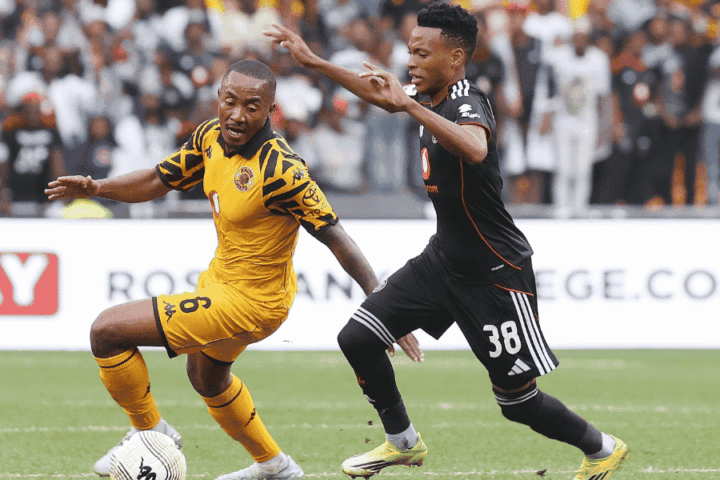
The South African Football Association’s (SAFA) plans to introduce Video Assistant Referee (VAR) technology in local football have gained momentum after the association shortlisted five companies from 11 bids received from prospective technology suppliers.
The development marks another step towards introducing the technology, which is intended to help match officials make more accurate decisions and improve the fairness and credibility of football in South Africa.
The shortlist was confirmed amid renewed efforts by SAFA to address the technical, financial and operational challenges that have delayed the implementation of VAR, a project that has attracted considerable attention from football supporters, clubs and other stakeholders.
According to reports published on Thursday, October 15, SAFA is assessing potential service providers as it works towards determining the most suitable technology partner for the project. The names of the five shortlisted companies have not yet been publicly confirmed.
The latest development follows a meeting between SAFA, the Department of Sport, Arts and Culture and other football stakeholders to discuss the way forward for the long-awaited introduction of the system.
FIFA and COSAFA engagement
SAFA is also engaging with FIFA and the Council of Southern Africa Football Associations (COSAFA) to strengthen its preparations, particularly regarding referee training and certification.
The involvement of experienced officials, including COSAFA head of referees Felix Tangawarima, is expected to help the association identify gaps in its approach and accelerate the development of local match officials.
SAFA chief executive officer Lydia Monyepao acknowledged that consulting Tangawarima earlier could have helped speed up the process.
The association has already trained eight match officials in VAR procedures, although further training and certification will be required before the technology can be introduced more widely.
SAFA has emphasised that introducing VAR involves more than purchasing equipment. It requires trained officials, suitable stadium infrastructure, adequate camera coverage, reliable connectivity and coordination with football authorities and broadcasters.
R20 million allocated to the project
The implementation process received financial support after the Department of Sport, Arts and Culture transferred R20 million to SAFA in April 2026 to support the introduction of the technology.
However, the funding has not translated into an immediate rollout, as the association has been reviewing the project’s budget, procurement arrangements and operational requirements.
The department and SAFA have stressed the importance of ensuring that public funds are used responsibly and that the technology can be operated sustainably.
Sports, Arts and Culture Minister Gayton McKenzie has reiterated his commitment to seeing VAR introduced in South African football, while making it clear that implementation must be driven through the football governing structures and comply with FIFA requirements.
Trials before wider implementation
Rather than immediately introducing VAR across the Betway Premiership, SAFA is considering a phased approach that would allow the system to be tested in selected competitions before a broader rollout.
Potential trial environments include SAFA-organised competitions, the Hollywoodbets Super League and the ABC Motsepe League national playoffs, subject to the necessary approvals and operational arrangements.
The trials would allow the association to assess the technology’s effectiveness, test communication between VAR officials and on-field referees, and identify any problems that must be resolved before the system is used in major competitions.
Engagement with the Premier Soccer League and broadcasters, including SuperSport and the SABC, will also be important in determining how the system can be integrated into televised matches.
A significant step, but work remains
The shortlisting of five companies represents progress in the supplier-selection process, but it does not mean that a provider has been appointed or that VAR is ready for immediate implementation.
SAFA must still complete the necessary technical assessments, procurement processes, stakeholder consultations and referee-development requirements before the technology can be introduced.
For South African football supporters, the prospect of VAR represents an opportunity to strengthen confidence in match officiating, particularly in crucial incidents involving goals, penalties, direct red cards and mistaken identity.
With five companies now under consideration, attention will turn to SAFA’s next steps in selecting a suitable provider and establishing a practical timetable for implementation.
The ultimate challenge will be turning the current progress into a reliable system that can operate effectively and consistently across South African football.