The R54 billion Transnet corruption trial has hit another digital roadblock, forcing the Gauteng High Court in Johannesburg to call in software experts to help the accused access thousands of pages of electronic evidence.
The case against former Transnet heavyweights Brian Molefe, Anoj Singh, Siyabonga Gama and others was postponed to Tuesday after the defence brought a Section 342A application to have the matter struck off the roll for unreasonable delays.
In court, lawyers for the accused argued that the State has failed to provide them with properly accessible disclosure, making it impossible to prepare for trial. The State opposed the application.
Presiding Judge ruled that the trial will not be struck off — at least not yet — but ordered that technical experts from both sides sit together and solve the disclosure impasse.
“The judge ruled that software experts be availed on the set date to provide guidance in accessing the electronic contents of the disclosed data,” the Investigating Directorate Against Corruption (IDAC) confirmed in a statement on Thursday evening.
“The Court has not made a final order in the applications. He ordered the experts to convene and report to the Court on 21 October 2026.”
It is the latest twist in one of South Africa’s biggest state capture trials.
Molefe, Singh, Gama, former Transnet Chief Financial Officer Garry Pita, former Group Treasurer Phetolo Ramosebudi, Regiments Capital directors Niven Pillay and Litha Nyhonhya, Trillian Asset Management director Daniel Roy — formerly of Novum Asset Management — businessman Kuben Moodley and Albatime Pty Ltd owner, appeared in court this week.
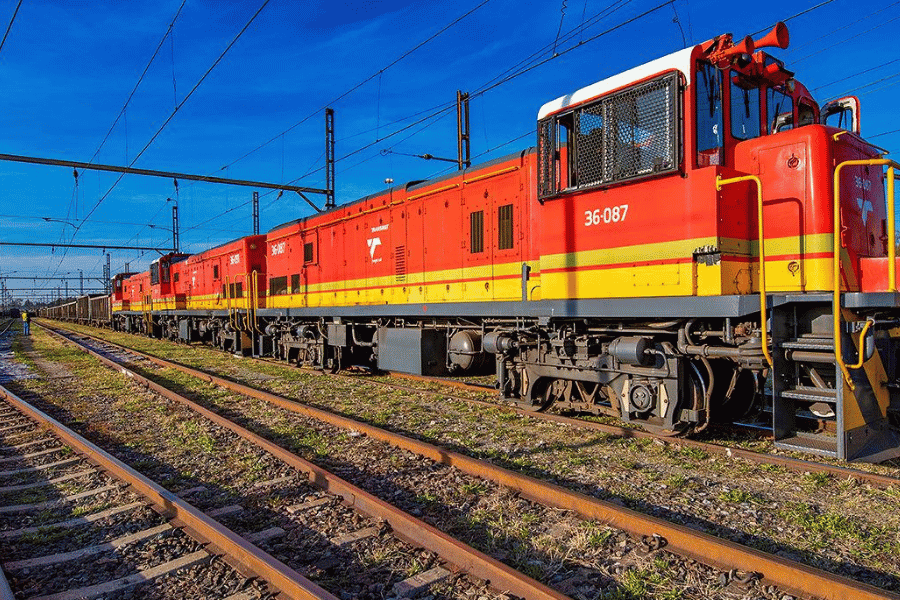
They are facing charges of contravening the Public Finance Management Act (PFMA), fraud, corruption and money laundering, linked to the infamous 1064 locomotives deal.
At the heart of the case is the 2012 transaction advisory tender awarded to the McKinsey-led consortium, which led to Transnet’s procurement of 1064 locomotives valued at over R54 billion.
According to the State, Regiments Capital was irregularly brought into the contract, inflating the value and scope to over R305 million.
Their mandate allegedly included sourcing billions in loans from the China Development Bank and the Club loan — amounting to $2.5 billion, or around R30 billion at the time — on behalf of Transnet.
The accused also face charges relating to a R93.4 million payment made to Trillian Asset Management in 2015, a company that has featured prominently in state capture testimony.
The Section 342A application is a legal tool accused persons use when they believe the State is dragging its feet. The defence has argued that years after charges were filed, they still cannot read the evidence against them because it is locked in electronic formats they cannot access.
The State maintains the disclosure has been provided and that the delays are being engineered by the defence.
The order means that on Tuesday, IT specialists will have to demonstrate to the court how the accused can access the electronic disclosures, paving the way for the trial to finally proceed.
The case, which stems from the Zondo Commission’s findings on state capture at Transnet, has been plagued by postponements, legal challenges and disclosure battles. More than a decade after the locomotives deal was signed, not a single person has been convicted.
IDAC spokesperson Henry Mamothame said enquiries can be directed to his office as the matter remains before court.