
LIMPOPO Premier Dr Phophi Ramathuba has warned beneficiaries of the Farming Inputs Voucher Programme against selling their vouchers for personal gain, urging them to use the assistance to grow their farming projects and help fight poverty in their communities.
Ramathuba was speaking during the launch of the programme, which aims to empower disadvantaged households through backyard farming and improve food security in rural communities.
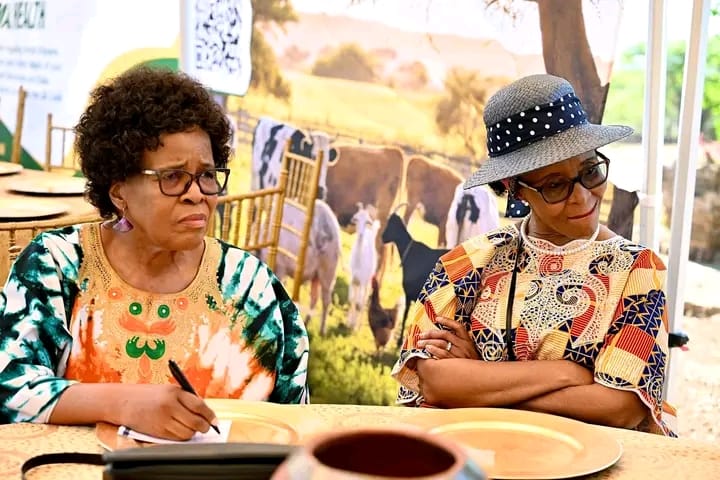
The initiative will be rolled out in four provinces — Limpopo, Mpumalanga, KwaZulu-Natal and North West — with more than 10 000 beneficiaries expected to receive vouchers worth R4 000 each to purchase agricultural inputs.
The vouchers will enable beneficiaries to acquire farming essentials such as seedlings, piglets, fertilisers and other items needed to establish or strengthen their agricultural projects.
For many struggling households, the initiative offers an opportunity to put food on the table while creating a potential source of income.
However, Ramathuba made it clear that beneficiaries must not treat the vouchers as an opportunity to make quick money.
She urged them to invest the assistance in their farms instead of selling the vouchers or diverting the resources towards personal luxuries.
The Premier said government would continue supporting farming initiatives to ensure that communities had access to the resources needed to produce their own food and build sustainable livelihoods.
She also thanked the Zanele Mbeki Trust for helping make farming support accessible to disadvantaged communities.
Traditional leaders to identify beneficiaries
Traditional leaders will play a key role in ensuring that the programme reaches the intended beneficiaries.
A total of 203 traditional leaders are expected to participate in identifying suitable recipients in their respective communities, with each leader selecting between 10 and 12 beneficiaries.
The involvement of traditional leaders is intended to help ensure that people who genuinely need assistance and are committed to farming are given an opportunity to benefit.
In addition to the main programme, a further R2 million has been made available to support 500 beneficiaries at Zebediela Citrus Estate.
The additional beneficiaries will be selected by the Community Property Association (CPA), giving more local residents an opportunity to participate in agricultural activities linked to the revitalisation of the historic estate.
Zebediela’s future lies in farming
The launch comes eight months after the official announcement of plans to revitalise the once-thriving Zebediela Citrus Estate, which has long been regarded as an important agricultural asset in Limpopo.
Ramathuba used the occasion to dismiss speculation that her government intended to replace citrus production with soya bean farming permanently.
She explained that planting soya beans was part of the process of restoring the soil by replenishing its nitrogen levels before orange trees could be planted again.
The Premier’s explanation was aimed at reassuring communities who have been concerned about the future of the estate and its potential to create employment and economic opportunities for local people.
For residents of Zebediela and surrounding villages, the revival of the estate represents more than the return of orange production. It also offers hope for job creation, business opportunities and improved household incomes.
The additional 500 beneficiaries earmarked for the area could further strengthen local participation in farming and help ensure that communities benefit from the estate’s revival.
Women inspire farming revival
Ramathuba also praised women from the Tshakhuma Open Market who approached her with a proposal to revive collapsed farms in their area.
The women suggested that restoring the farms would enable them to obtain produce locally instead of depending on outside suppliers to stock their businesses.
Their proposal highlighted how the revival of agricultural projects could benefit not only farmers but also traders, small businesses and consumers who rely on a consistent supply of fresh produce.
Ramathuba welcomed their initiative, saying such ideas demonstrated the important role communities, particularly women, could play in finding practical solutions to local economic challenges.
The proposal also underlined the connection between productive farms and thriving informal markets, where many families earn a living through the sale of agricultural produce.
‘Use the money wisely’
Ramathuba urged prospective farmers to approach the programme with discipline and a clear commitment to growing their agricultural projects.
She cautioned beneficiaries against using the assistance to fund luxuries at the expense of their farms, warning that poor financial decisions could undermine the very projects the programme seeks to support.
She said government remained committed to ensuring that farming initiatives received the support they deserved, with food security remaining a key priority.
The Premier’s message was clear: the vouchers should be treated as an investment in the future rather than an opportunity for immediate personal gain.
With rural households continuing to face economic challenges, the programme seeks to encourage communities to use the land and available resources to produce food, improve their livelihoods and contribute to local economic development.
For the intended beneficiaries, the real test will be turning the vouchers into productive farming projects that can continue feeding families long after the initial assistance has been used.
As the revitalisation of Zebediela Citrus Estate gathers momentum, communities will be watching closely to see whether the support translates into productive farms, sustainable livelihoods and much-needed jobs.