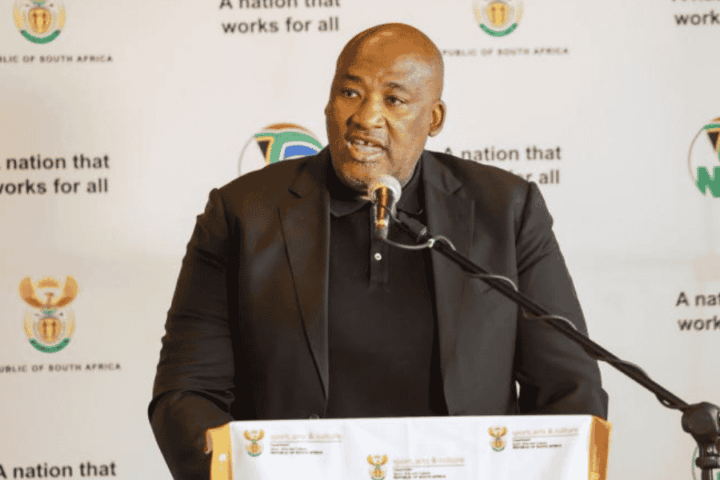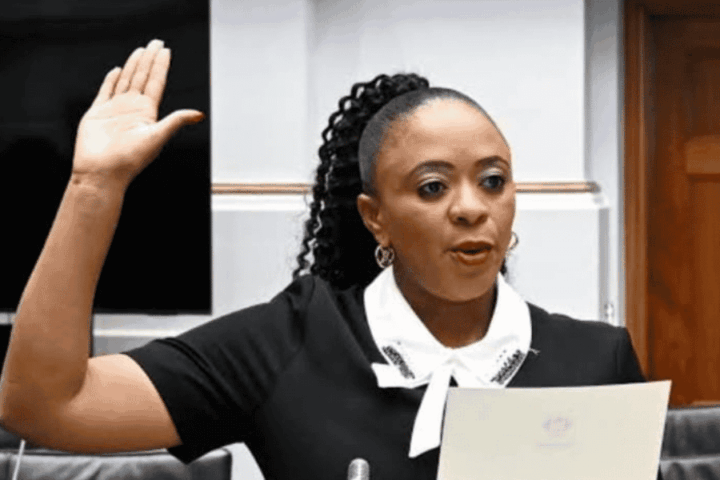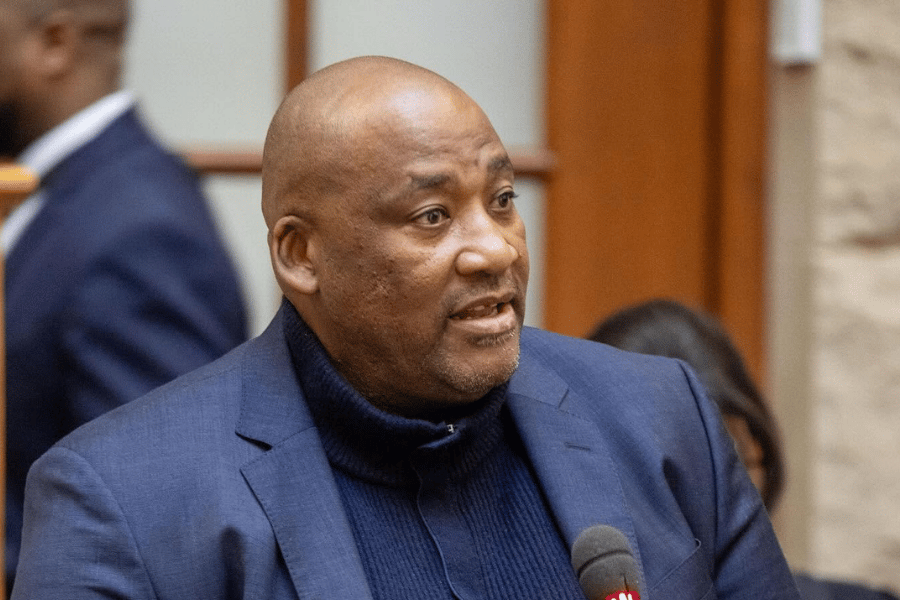
Fired members of the National Arts Council (NAC) have launched an urgent application in the Pretoria High Court to overturn Sports, Arts and Culture Minister Gayton McKenzie’s decision to terminate their appointments and dissolve the council.
The 11 former council members, led by former council chairperson Twain Siboniso Ngwenya and poet Zolani Mkiva , want the court to suspend McKenzie’s 25 May 2026 decision, reinstate them to office and stop the appointment of a replacement council while they pursue a judicial review.
In the application, set down for 28 July 2026, the ex-members argue that McKenzie acted unlawfully by dissolving the council without first giving them an opportunity to respond to the allegations against them.
The former council members insist they are not challenging the minister’s statutory authority to dissolve the council under the National Arts Council Act. Instead, they contend that he exercised those powers in a manner that was procedurally unfair, irrational and inconsistent with the constitutional principle of legality.
According to the court papers, which Africa Daily has seen, the dispute centres on the minister’s handling of a long-running labour dispute between the former members and council staff over performance bonuses dating back to the 2019/20, 2020/21 and 2021/22 financial years.
The erstwhile members say McKenzie wrote to them on 22 April 2026, directing them to convene a special meeting and follow a governance process that included legal opinions, financial assessments, audit committee deliberations and management reports before deciding whether to settle the dispute.
They say they immediately began implementing those instructions and scheduled a special meeting for 29 May 2026 to consider the matter.
However, the applicants claim McKenzie dissolved the council on 25 May 2026—four days before that meeting—thereby preventing the council from completing the very process he had instructed it to follow.
The former council members further argue they were never informed that dissolution was being contemplated and were not invited to make representations before their appointments were terminated.
They also accuse the minister of relying on allegations relating to governance failures, procurement and financial impropriety without first placing those claims before the council or allowing members an opportunity to respond.
In the application, the applicants say McKenzie publicly damaged their reputations by suggesting the council had failed in its governance responsibilities and by referring to concerns over procurement decisions and expenditure while relying on what they describe as “credible” but undisclosed information.
“The decision also conveyed publicly that the council had failed in the discharge of its governance responsibilities and associated the applicants with allegations of governance failures and procurement concerns, notwithstanding that no opportunity had been afforded to the applicants to address those matters before the decision was taken. It is against that factual background that the Applicants challenge the lawfulness of the respondent’s decision,” read the papers.
The former council members argue that the minister failed to consider less drastic options before dissolving the entire council, including issuing directives, appointing investigators, seeking explanations or taking action against individual members if necessary.
They are asking the court to suspend the dissolution decision, reinstate them pending the review proceedings and prohibit the minister from appointing a new council until the legality of his decision has been determined.
The applicants also want the high court to declare McKenzie’s decision unconstitutional, unlawful and invalid, alternatively referring the matter back to him for reconsideration should they succeed in the review.
McKenzie Spokesperson Stacey-Lee Khojane said they will oppose the application.