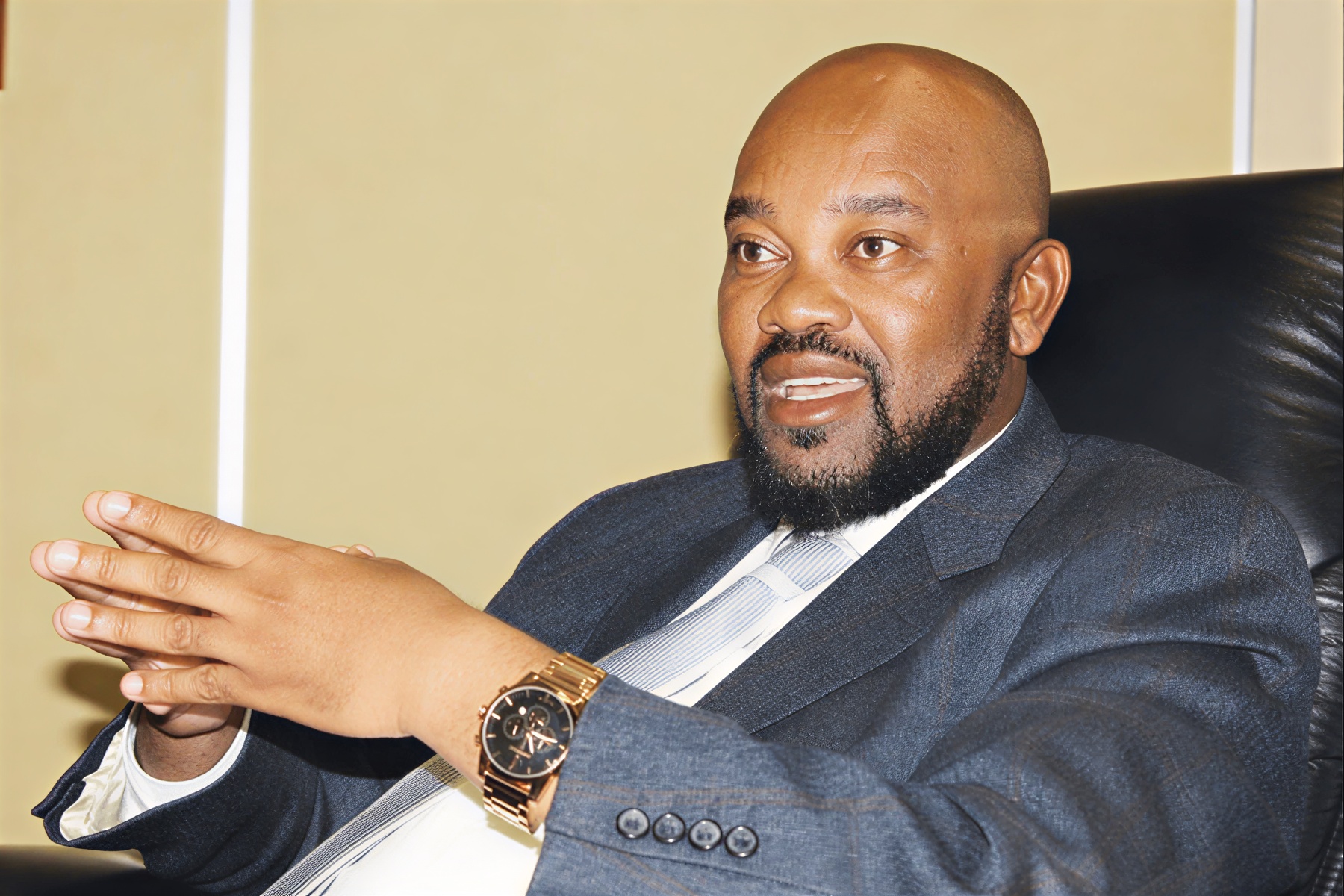
Lesotho opposition leader Machesetsa Mofomobe has called on South Africa to rethink how it treats Basotho nationals who violate immigration laws, arguing that the country’s current system effectively turns them into “prisoners of geography”.
The Basotho National Party (BNP) leader and Member of Parliament said South Africa’s practice of declaring Basotho who overstay their visas “undesirable” and barring them from re-entering the country fails to take Lesotho’s unique geographical position into account.
Mofomobe argued that while South Africa has the sovereign right to enforce its immigration laws, the consequences of its current approach are disproportionately severe for Basotho because Lesotho is completely surrounded by South Africa.
“A Mosotho who is declared undesirable is therefore not simply banned from one foreign country. In practical terms, that person is trapped within the borders of Lesotho,” he wrote.
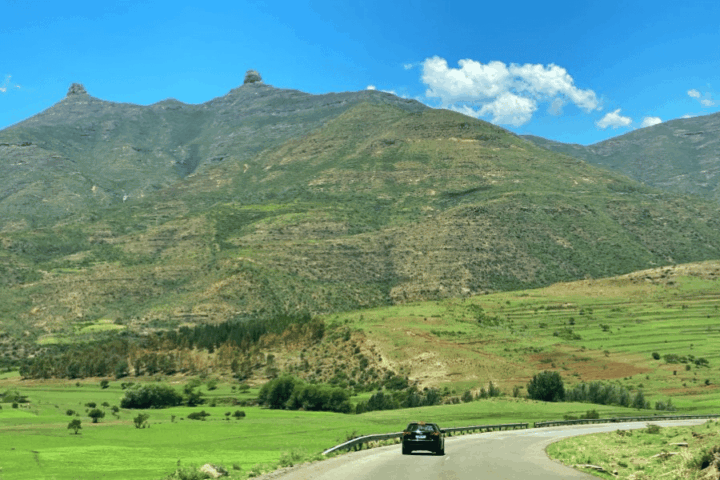
He said every road out of Lesotho passes through South Africa, while the country’s rail links and major international travel routes also depend on access through the republic.
“The question is whether South Africa may impose an immigration sanction that, because of geographical circumstances almost unique in the world, potentially prevents a citizen of another sovereign state from travelling beyond his or her own country,” Mofomobe said.
He stressed that he was not arguing that Basotho should be exempt from South Africa’s immigration laws, but said the penalties imposed should be rational, proportionate and reflect the realities of the two countries’ unique relationship.
Mofomobe pointed to the deep economic and social ties between South Africa and Lesotho, saying thousands of Basotho cross the border daily for work, education, healthcare and trade. He also highlighted the Lesotho Highlands Water Project, which supplies water to South Africa’s Vaal River System, as evidence of the countries’ close interdependence.
He noted that South Africa had previously acknowledged the special relationship by introducing the Lesotho Special Permit in 2015, followed by the Lesotho Exemption Permit, to regularise the status of thousands of Basotho living and working in the country.
According to Mofomobe, deportations and re-entry bans have failed to curb irregular migration, describing the current system as a “revolving door” that sees many deported Basotho return illegally because the economic conditions driving migration remain unchanged.
Instead, he proposed a system of graduated financial penalties, administrative sanctions and opportunities for regularisation, rather than automatic deportation and lengthy prohibitions.
He also argued that South Africa’s Constitutional Court has repeatedly affirmed that immigration decisions must comply with constitutional principles, including fairness and proportionality.
Mofomobe concluded that South Africa should develop an immigration framework that recognises Lesotho’s exceptional geographical and historical circumstances, rather than treating it as “simply another foreign country.” He said both nations’ sovereignty could be respected while adopting policies grounded in practicality, proportionality and human dignity.
For more information, please read Mofomobe’s opinion piece on our opinion page.