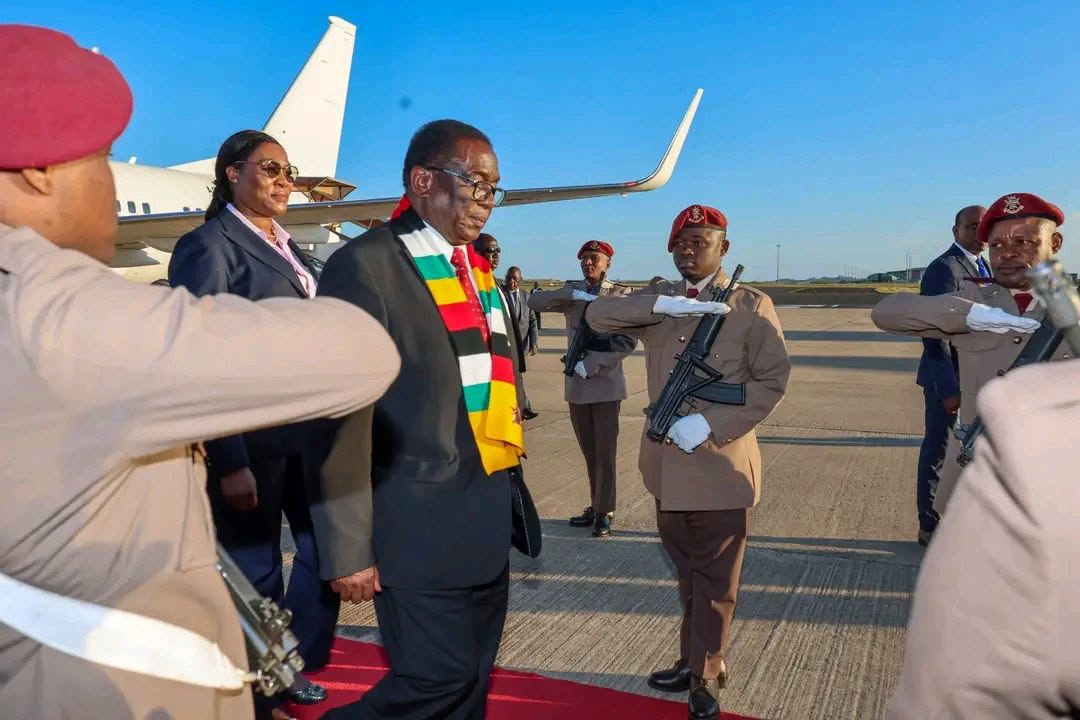
Zimbabwean President Emmerson Mnangagwa arrived in Durban with a message of regional unity.
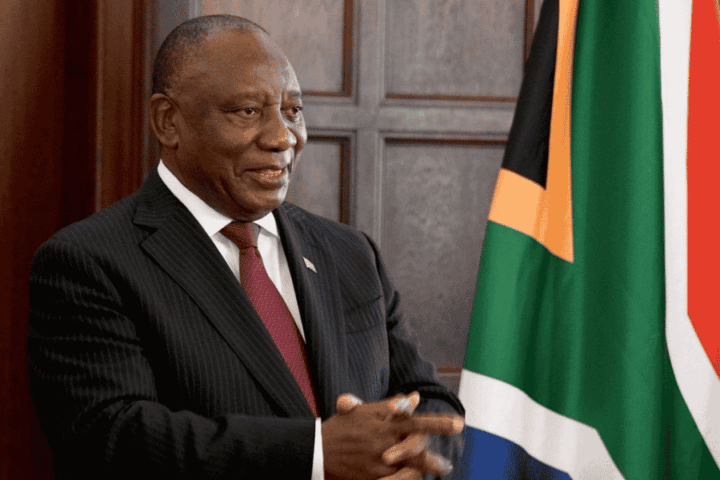
“Together as a united SADC region, we are building a more prosperous and self-reliant Africa,” Mnangagwa wrote after joining President Cyril Ramaphosa and fellow Southern African leaders at a welcome dinner ahead of Monday’s 46th SADC Summit.
But outside the summit, another message is being delivered.
“It’s time to fetch your people.”
March and March and affiliated anti-immigration groups are taking their protest to Durban as SADC leaders gather to discuss regional integration, development and cooperation.
Security has been tightened around the summit venue, with the protesters demanding that SADC countries take greater responsibility for their citizens living in South Africa.
The timing is impossible to ignore.
Inside the Durban ICC, leaders are talking about a more integrated Southern Africa.
Outside, South Africans are demanding that neighbouring countries take their citizens back.
And at the centre of this collision is one of the region’s most unresolved questions, how should people move across Southern Africa?
South Africa is pushing for progress on the stalled SADC Free Movement Protocol. But Zimbabwe and Mozambique have reportedly resisted efforts to put the protocol directly before heads of state at this summit.
That creates an uncomfortable contradiction.
SADC wants greater regional economic integration, stronger trade and cross-border value chains. Yet the region remains unable to agree on one of the basic mechanisms that would govern the movement of its people.
For South Africa, meanwhile, migration has become an increasingly combustible domestic political issue.
March and March has repeatedly demanded tougher action against undocumented foreign nationals, while government has argued for stronger immigration enforcement alongside regional cooperation.
President Ramaphosa has also warned against discrimination and xenophobia, making the distinction between enforcing immigration law and treating foreign nationals as outsiders increasingly important.
This is why Monday’s protest is bigger than a confrontation between protesters and police.
If Southern Africa genuinely wants to become a united region, what responsibility should member states assume for the movement, documentation and welfare of their citizens across borders?
And if South Africa wants its neighbours to help address undocumented migration, why has the region struggled for so long to agree on a common framework for free movement?
Mnangagwa’s message of a united SADC sounds powerful.
But outside the summit, March and March is asking whether that unity extends beyond trade, infrastructure and critical minerals.
The uncomfortable question confronting the leaders in Durban is whether Southern Africa can build a genuinely integrated regional economy while leaving migration one of the most visible consequences of that integration unresolved.
For now, the protesters outside and presidents inside the ICC are delivering two very different versions of what a “united SADC” should look like.