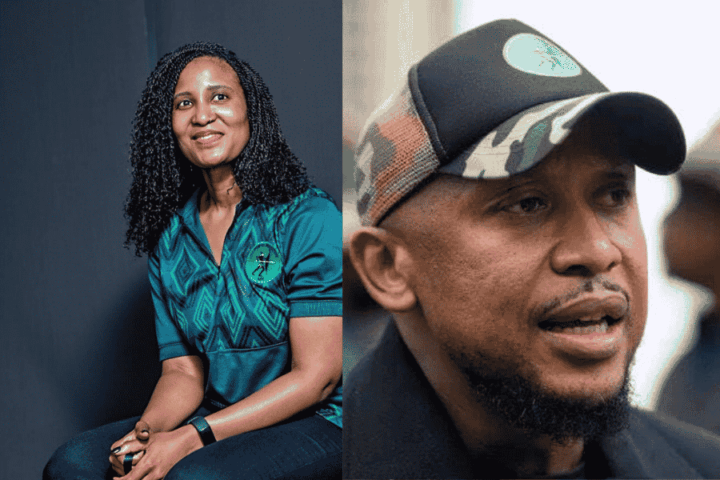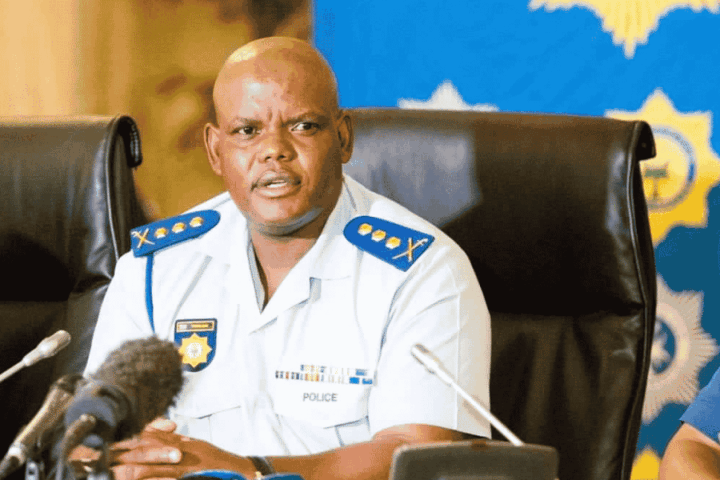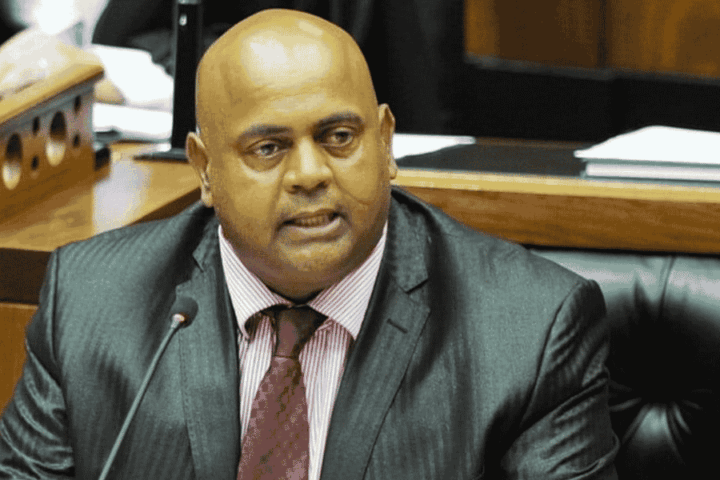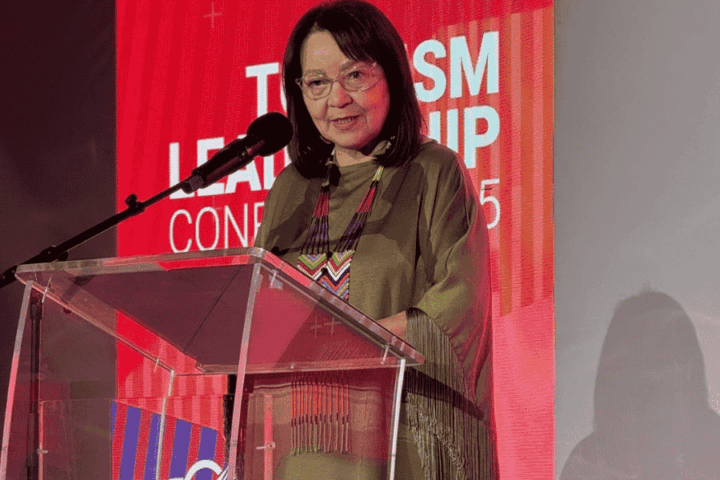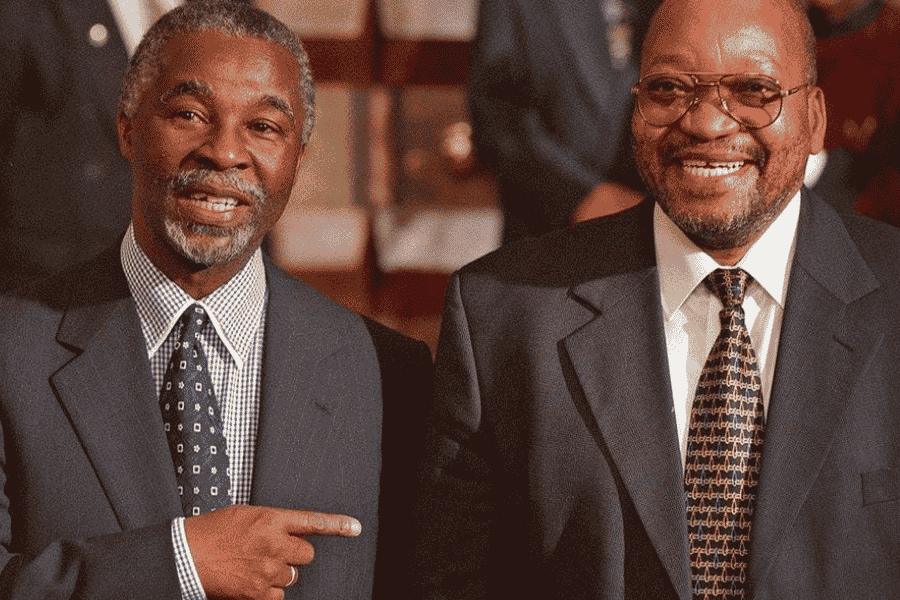
Two former heads of state, Thabo Mbeki and Jacob Zuma, will now have to bear testimony before the TRC inquiry into why apartheid-era prosecutions were abandoned, after months of trying to evade accountability.
The commission has confirmed that Mbeki will testify on 19 and 20 October, with Zuma to follow on 22 October before chairperson Justice Sisi Khampepe.
Their appearance comes after their last-ditch attempt to force Khampepe to step aside collapsed. The pair had approached the courts to have her recused, claiming she was biased. That legal fight was thrown out at every level, with the Constitutional Court delivering the final blow at the end of August.
They have now run out of legal options and must take the stand.
At the centre of the inquiry is a painful question that has haunted South Africa for over two decades: why were hundreds of apartheid cases flagged by the Truth and Reconciliation Commission never investigated or prosecuted?
The inquiry is looking into claims that there was a high-level political instruction to block those prosecutions.
The case was brought by the Calata families – survivors and relatives of those killed in apartheid-era atrocities, named after Fort Calata of the Cradock Four who were murdered by apartheid police in 1985.
They want answers for why the TRC’s list of around 300 cases, where perpetrators were denied amnesty or never applied, was left to gather dust for more than 20 years.
Testimony already heard by the commission points to political interference. Former prosecutors and investigators have told Khampepe that TRC dockets were treated as untouchable, with pressure from above not to pursue them for fear of destabilising the country and exposing both sides of the struggle.
Mbeki was in power from 1999 to 2008, the period when the alleged decision to suppress the cases was made.
Zuma led the country from 2009 to 2018, years during which families say they were ignored and investigations were deliberately stalled.
Both have denied any wrongdoing. Mbeki has previously defended his administration’s approach as one that prioritised national reconciliation and stability.
Zuma’s lawyers have maintained there is no evidence linking him to any instruction to halt prosecutions.
But victims’ families are adamant that the truth can only come out under oath.
For Khampepe, their evidence is crucial. The retired Constitutional Court justice, herself a former TRC commissioner, has already heard emotional testimony from families and former NPA officials. One investigator described TRC matters as “political hot potatoes” that senior officials refused to touch.
Mbeki and Zuma had argued that Khampepe’s TRC background made her partial. The courts found no merit in that argument, allowing her to continue leading the commission.
While the inquiry cannot convict anyone, its findings could open the door for long-overdue prosecutions for apartheid-era crimes, including murders, disappearances and the apartheid state’s chemical and biological warfare programme.
Mbeki is expected to offer a technical, legal defence of his government’s decisions, while Zuma, known for his attacks on the judiciary, is expected to take a more combative stance.