KwaZulu-Natal is leading the country in failures to collect DNA samples from arrested suspects.
The province’s Durban forensic laboratory also remains unable to fully process samples months after relocating.
The DNA Board told Parliament that 3,689 of the 5,632 failures recorded nationally occurred in KwaZulu-Natal, exposing a serious breakdown in a process designed to help police link suspects to crimes.
The province’s DNA sampling failures come as its Mayville forensic laboratory continues to rely on Gauteng to process samples because equipment installation remains incomplete.
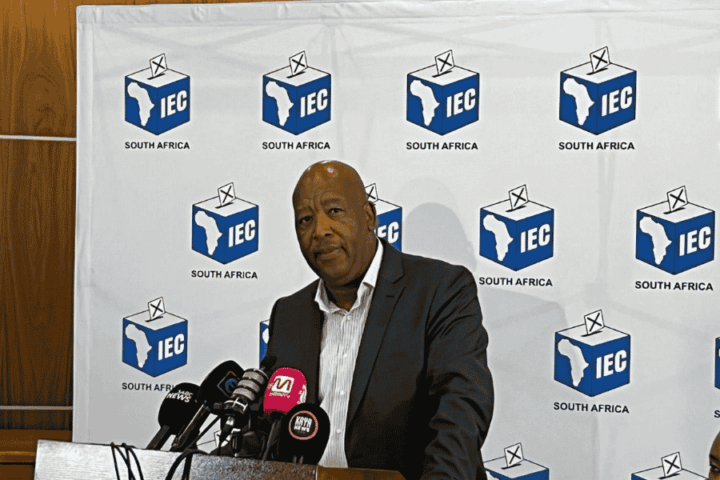
The revelations were made on Thursday, 8 October when the DNA Board’s acting secretariat director, Akhona Ndlela, briefed Parliament’s Portfolio Committee on Police.
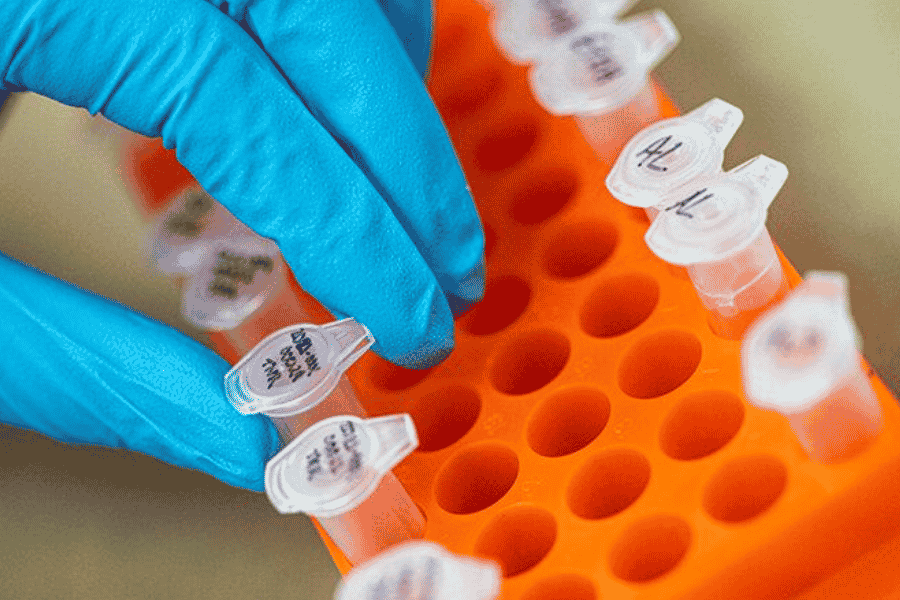
By law, police must take a cheek swab from anyone arrested for a Schedule 8 offence, including murder, rape and robbery. The sample is entered into the national DNA database, where it can be matched against DNA recovered from crime scenes.
When police fail to collect a sample, they lose an opportunity to link the suspect to other crimes through the database.
Nationally, police collected samples in 98.4% of applicable cases. KwaZulu-Natal managed only 93.9%, despite being one of the country’s busiest provinces for arrests.
The DNA Board said the failures were administrative rather than the result of shortages of equipment or personnel. Sampling kits were not being distributed from the provincial office to police stations.
According to the board, KwaZulu-Natal’s compliance recovered to 99% after its intervention. The Northern Cape is now experiencing a decline in compliance, it said.
But the province’s problems extend beyond police stations failing to collect DNA samples.
At the Mayville laboratory in Durban, equipment installation had still not been completed when the board met in September.
DA MP Dianne Kohler Barnard delivered a scathing assessment of the facility, describing it as “simply a post box”.
Instead of processing DNA evidence locally, the laboratory sends samples to Gauteng for testing.
The board did not dispute her description, confirming that the equipment was not yet fully installed.
The facility was relocated with what Kohler Barnard described as “fanfare”, yet it is still not fully equipped to perform the work expected of a forensic laboratory serving one of the country’s busiest provinces.
Sending samples to another province adds another logistical step to a forensic system already struggling to meet its deadlines.
The scale of those delays is stark. Only 3,471 of 238,707 DNA profiles were finalised within the legally required 30-day deadline last year, according to figures presented to Parliament.
The board also admitted it had not yet inspected the Mayville laboratory.
It said it had deliberately avoided visiting the facility merely to inspect the building without examining the work being carried out.
The board’s next meeting and inspection are planned for early November.
Until then, questions remain about when the laboratory will become fully operational and why equipment installation has not been completed.
The combined failures leave KwaZulu-Natal facing two critical weaknesses in the forensic chain, police are failing to collect thousands of required DNA samples, while the provincial laboratory remains dependent on another province to process evidence.