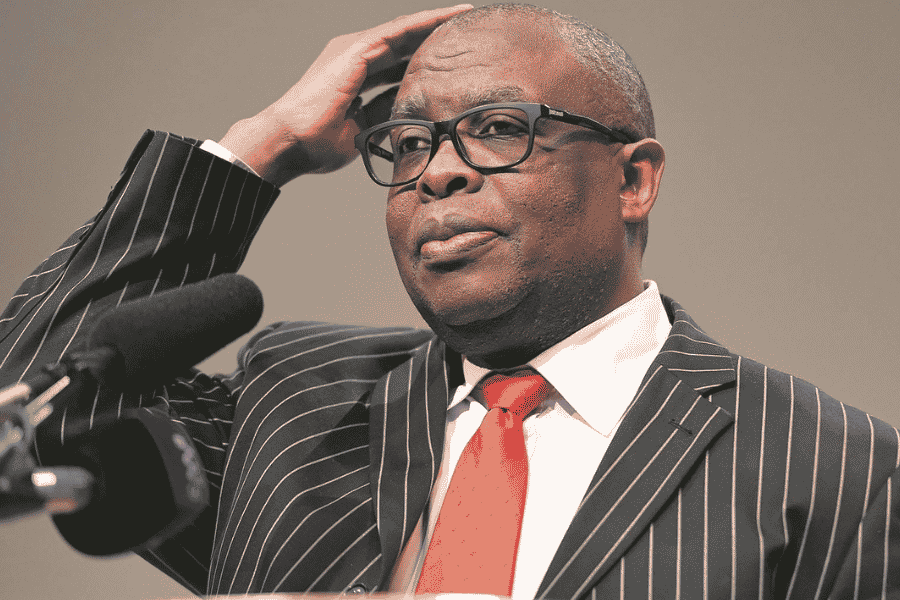
National Prosecuting Authority spokesperson Kaizer Kganyago has vowed to personally push for those responsible for the killing of veteran broadcaster and music-rights activist Owen Ndlovu to be found, as his family, friends and community gather to bury him today.
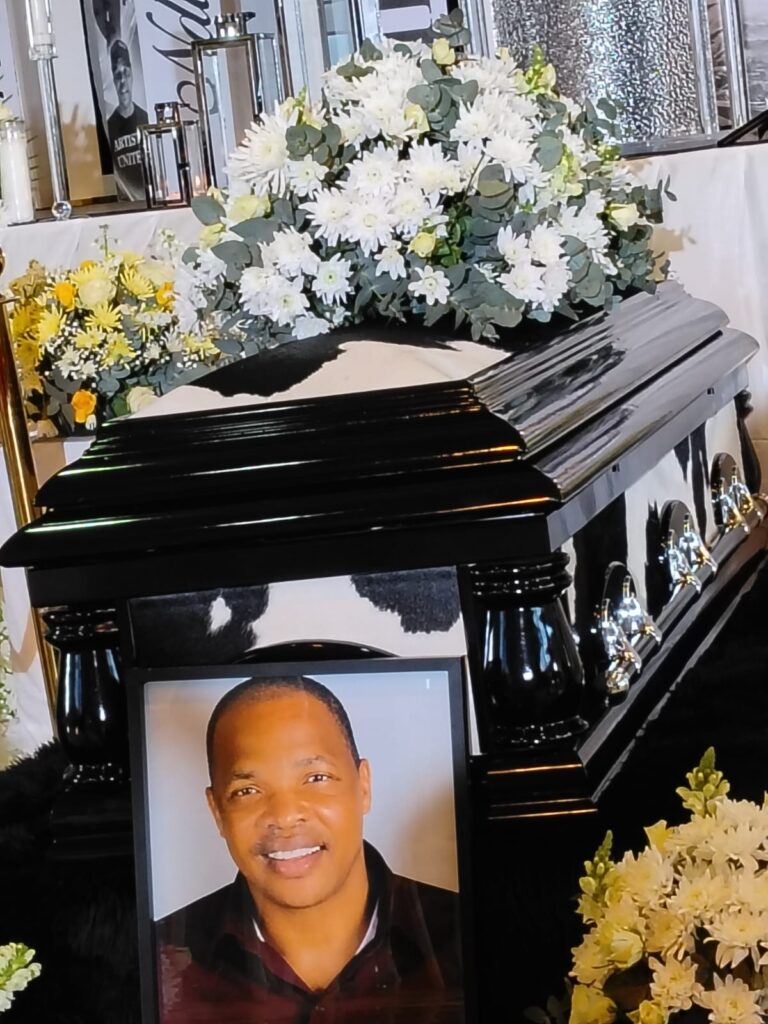
Ndlovu’s funeral is taking place at the Lenasia South Recreation Centre, after which he will be laid to rest at Westpark Cemetery in Johannesburg.
Kganyago, who previously worked as a spokesperson for the SABC and knew Ndlovu for many years, said he was determined to see justice pursued.
He said Ndlovu had contacted him about a week before his death because he wanted to discuss something with him.
“Unfortunately, his life was cut short before we could meet. Owen was a forceful person. I am sure his kidnappers had a tough time trying to abduct him,” Kganyago said.
“A person does not die like a dog, and his death will not be for nothing. I will personally take it upon myself to make sure that the perpetrators are found. We are asking anyone who has information to come forward.”
He vowed that the circumstances surrounding Ndlovu’s death will not simply be forgotten.
“We are asking anyone who has information to come forward,” he said
Kganyago said Ndlovu’s fierce commitment to artists had also resulted in him making enemies.
“He loved artists to such an extent that he ended up making many enemies. When he started experiencing problems with Song of the Year, he would come to my office,” he said.
Ndlovu’s death has brought together people from the broadcasting, music and arts sectors, as well as residents who knew him not only as an outspoken advocate for artists but as a community activist.
He was abducted on 15 September while reportedly on his way to fetch his wife, Portia, from church in Katlehong.
His vehicle, a Ford Raptor, was later found in Walkerville. His body was discovered in Thokoza the following day with gunshot wounds.
Police have previously said three suspects were believed to be involved.
Ndlovu had spent years advocating for artists and challenging issues surrounding music rights and royalties. His activism brought him into conflict with powerful interests in the industry, while his community work saw him become involved in local security initiatives.
Speaking on behalf of Ndlovu’s neighbours, Eric Mthombeni described him as a community leader who had restored a sense of ubuntu in the neighbourhood.
“When we were living in fear in our neighbourhood, he said no. He brought back ubuntu. He gave us more than security,” Mthombeni said.
He recalled that Ndlovu had been working to improve the area just days before his death.
“Two days before he was killed, he closed the potholes. He cared for all of us. He said, ‘This is our street.’ That was his last gift to us.”
“How do we make sense of this? A man who protected us was brutally murdered. When you kill someone like him, you are killing the hope of a community.”
Mthombeni said Ndlovu’s death would not bring an end to the community initiatives he had started.
“You took his body, but you did not win. You made him stronger. The security forum that he formed will be formalised and it will be called the Owen Ndlovu Neighbourhood Watch.”
“Every pothole will be filled. We will put up a small sign stating that this street was last fixed by Owen Ndlovu.”
“We lost a leader, but his wife lost a husband. The whole street has lost a leader. He was a peacemaker.”
Mthombeni said Ndlovu’s killing had consequences beyond his immediate family and neighbourhood.
“This attack was an attack on the nation,” he said.
Simphiwe Gwamanda, who worked with Ndlovu at SABC Sport, described him as more than a colleague.
“He was more of a brother to me,” Gwamanda said.
“In life, there is a natural selection for greatness. When we arrived at SABC Sport, there was a lot of gatekeeping, and it is still there. Some of his fights were about breaking through that gatekeeping.”
Gwamanda said Ndlovu helped bridge the divide between sport and the broader editorial operation at the public broadcaster.
“He breached the gap between sport and the editorial team. His ambition was clear. He was a businessman at heart. He started doing these things while he was still at the SABC.”
“His idea was for artists to get what they deserve. He will be missed a lot.”
Artist United chairperson Eugene Mthethwa said Ndlovu’s death should also force South Africans to reflect on the state of their communities and families.
“His soul has passed on. We need to take care of our souls,” Mthethwa said.
Mthethwa referred to the account of a resident who witnessed part of the attack.
“A resident who witnessed the incident said he was running and screaming, ‘These people want to kill me.’”
Mthethwa said Ndlovu had consistently advocated unity and had been deeply protective of those closest to him.
“He wanted unity amongst us. Our country is destroyed. Fathers have stopped being protectors.”
“Owen was very protective. He looked after his wife. It is not surprising that he died while he was on his way to fetch his wife.”
But perhaps the most painful farewell came from Portia Ndlovu, Owen’s wife of 30 years.
In her tribute, Portia spoke directly to her husband, describing the unbearable loss of the man with whom she had shared three decades of her life.
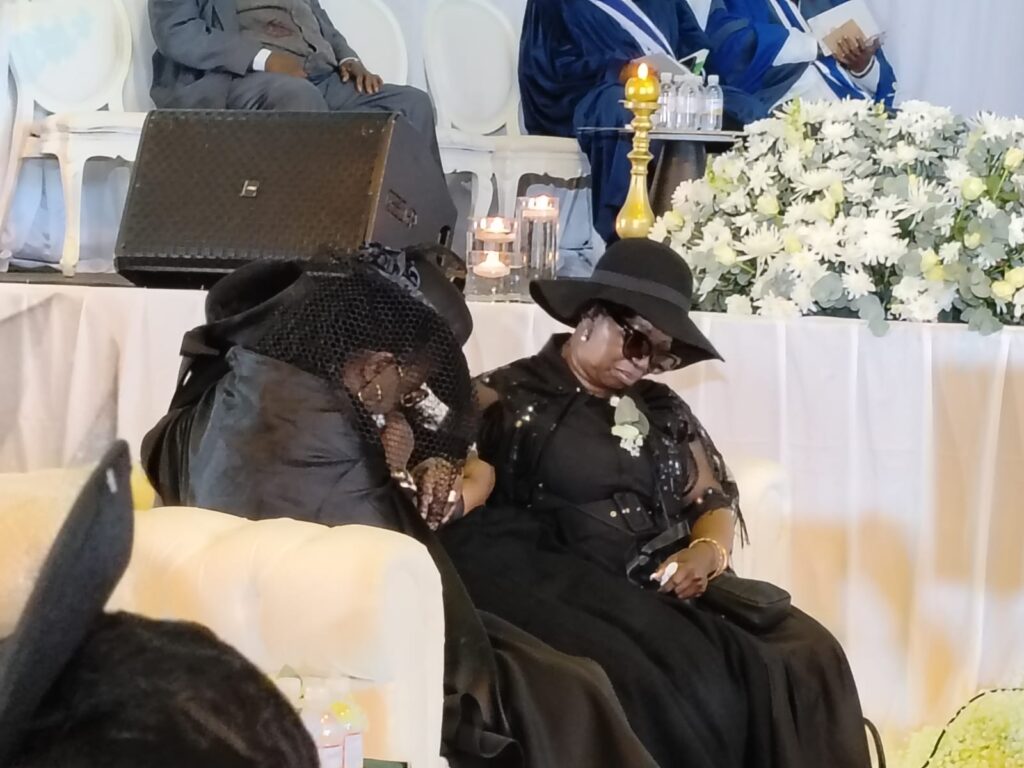
“Gatsheni, you’ve left me. I don’t know how I’m going to live without you. Thirty years with you,” she said.
“The past seven days have been hell. I’m going to miss you.”
She recalled one of the everyday things her husband knew about her her reluctance to drive and asked him for strength as she faced life without him.
“Remember how I hated driving. Give me strength. I know your dreams, and I’m asking you to give me strength.”
Her final words were a farewell to the man she had shared her life with.
“Lala ngoxolo. I know you worked hard. Rest in peace until we meet again.”
As Ndlovu’s family prepares to lay him to rest, those who knew him say his death has left a void that extends from his home and neighbourhood to the broadcasting and music industries.
For Portia, however, today’s funeral is the painful farewell to a husband with whom she shared 30 years.
For his neighbours, it is the loss of a protector and leader.
And for those who worked alongside him, it is the loss of a colleague, friend and brother.