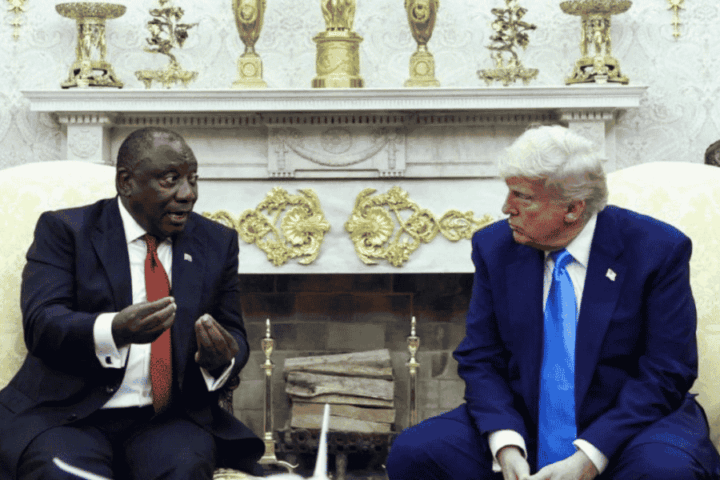
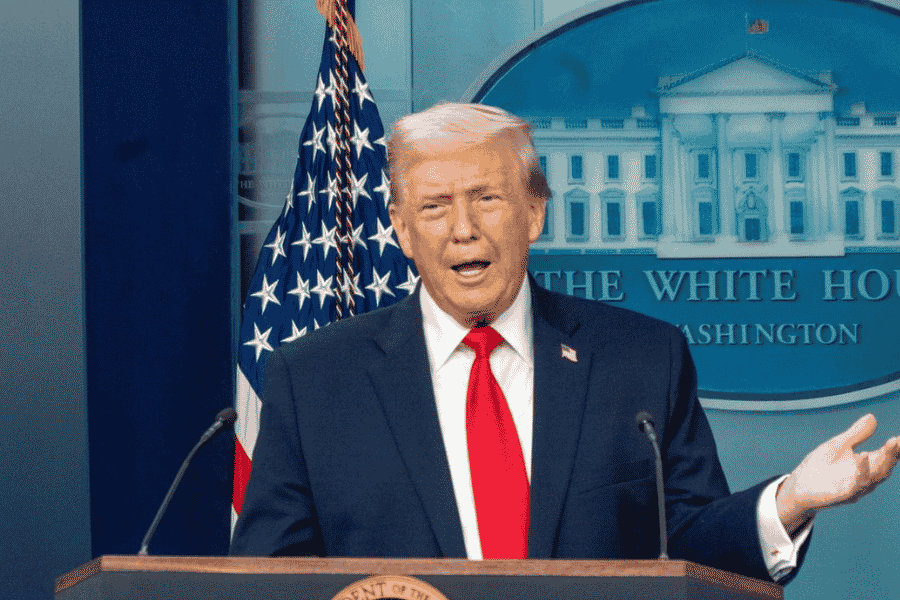
Donald Trump’s latest quarrel with the American press would be almost farcical if it were not exposing something important about how information now moves. He has barred CNN, MS NOW and Politico from the White House over their frank reporting. The other television networks suspended their shared presidential pool rather than stepping into the space created by the ban. Trump’s answer was, naturally, to launch “Trump TV”, because apparently the next logical step for a president annoyed by journalists is to become the television station.
This is not an argument for Trump. His treatment of independent media is precisely why the distinction between media and journalism matters. What is interesting is not that he has discovered direct communication. He has merely discovered what the rest of us have known for some time: the gate is gone.
For most of the twentieth century, formal media controlled something valuable: distribution. Newspapers owned presses, circulation systems and established audiences. Broadcasters required studios, cameras, transmitters and frequencies. If a politician wanted to reach millions of people, there was a fairly obvious group of people standing between the politician and the public. They could decide what was news, what received prominence and what disappeared into the newsroom filing cabinet.
That monopoly has been smashed to pieces. A politician can post directly to millions of followers. A government can livestream a briefing. An eyewitness can publish photographs before a reporter has filed a story. A minister can make an announcement on social media and watch it travel without a journalist touching it.
So the public no longer needs a newspaper merely to find out what a politician said. We can ask the politician. He will be delighted to tell us, at considerable length, probably.
This is also why the decline of print is not particularly mysterious. The printed newspaper was built around a distribution problem that technology has largely solved. South Africa is living through this, with legacy newsrooms shrinking after print retrenchments and closures while digital news creators attract increasingly large audiences. The Reuters Institute’s 2026 Digital News Report describes that shift, noting the growing influence of digital creators alongside pressure on established newsrooms.
But here is where the argument gets interesting. We have been treating “media” and “journalism” as though they are the same thing. They are not. Media is a delivery system; journalism is a method. The delivery system can change, but the method cannot disappear without leaving the public rather badly exposed.
A government livestream can tell us exactly what the government wants us to know. It cannot independently establish what has been omitted. A presidential social-media post can deliver his position without editing. It cannot interrogate his version of events. An ambassador can explain Washington’s position directly. That does not make it independent reporting.
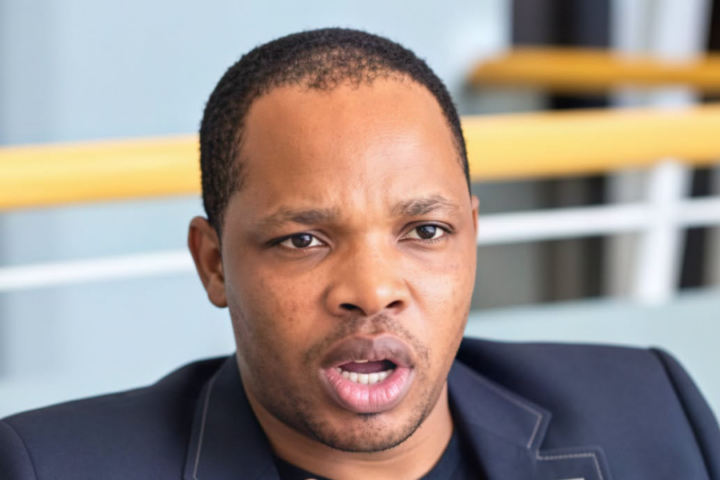
Which brings us neatly to Leo Brent Bozell III, who this week demonstrated another feature of the new media environment: powerful people still quite like journalists when journalists are useful to them.
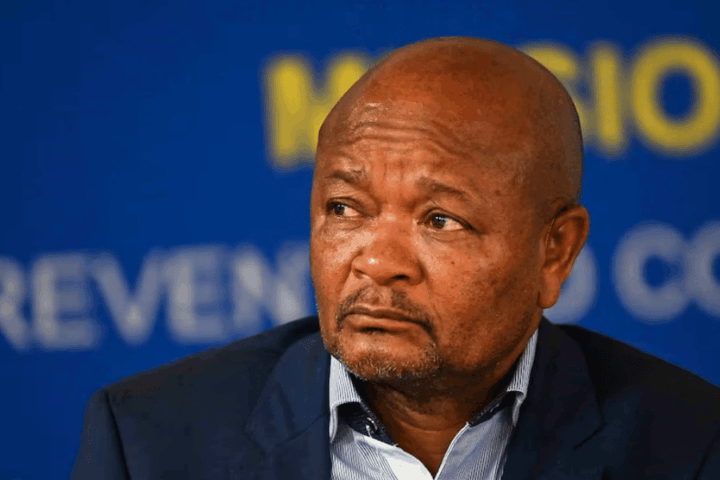
Speaking to local reporters this week, the US ambassador said former president Thabo Mbeki was the person best placed to help break the impasse between Washington and Pretoria. He also expressed disappointment with President Cyril Ramaphosa’s handling of the relationship and said Washington had “run out of patience”.
There is nothing unusual about an ambassador speaking to the press. The delicious irony is that Washington’s representative is perfectly happy to use established South African media to distribute Washington’s preferred message while his administration is simultaneously trying to diminish independent media at home.
The lesson is not that journalists are obsolete. It is that everyone now understands the difference between a journalist and a microphone. Trump wants a microphone when journalism becomes inconvenient; Bozell wants one when Washington has something it would like South Africans to hear.
Governments everywhere understand the attraction: give us the camera, the platform and the audience and, ideally, remove the irritating person who asks the second question. That is precisely why journalism still matters.
The American television pool is a reminder. ABC, CBS, Fox, NBC and CNN share presidential coverage, allowing footage to circulate across the wider news industry. When the White House excluded CNN, the remaining networks did not simply shrug and accept the rearrangement. They suspended the pool.
The old media infrastructure still has value, but not because it owns the road to the public. It does not. The public has built thousands of new roads, many faster.
Its value is what happens when journalists travel those roads and do something more useful than repeat what powerful people have already said. They investigate, verify, challenge and connect events that somebody would prefer to keep disconnected. They preserve records and ask the question that ruins the neat little narrative prepared for the camera.
That is the media business’s real existential problem. It is not that people have stopped needing information. It is that they have stopped needing the old machinery for obtaining it.
Perhaps that machinery does need to die. The newspaper as object may be disappearing, the television bulletin may be fading, and the assumption that a newsroom deserves attention simply because it has existed for 100 years is no longer sustainable. But if formal media wants to disappear, it should not take journalism with it. The public may no longer need a gatekeeper. It still needs someone willing to check what is happening beyond the gate.