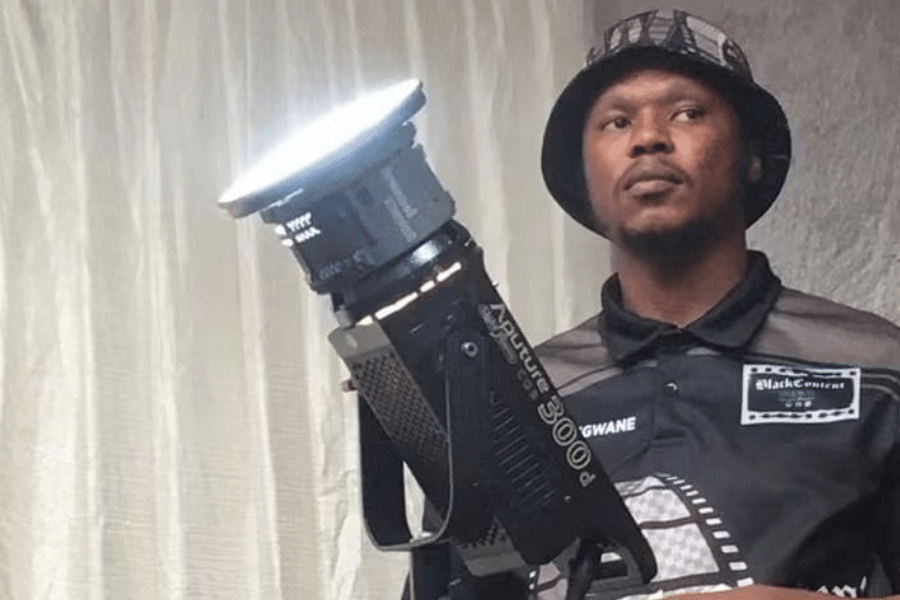
A Gauteng filmmaker who has previously raised concerns about the Gauteng Film Commission’s handling of emerging producers has broken his silence on his strained relationship with GFC CEO Keitumetse Lebaka.
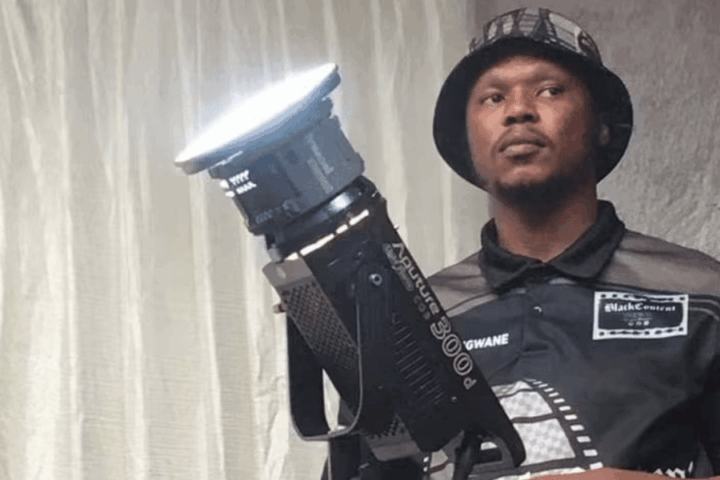
The founder and CEO of Black Content Studios, Lungisani Mthethwa told this publication that the fallout is rooted in his demands for transparency rather than a personal dispute.
He said that his company has received GFC funding twice since its registration, in 2019 and again in June 2022 but every application submitted from late 2022 onwards has been rejected.
His latest rejection was received on August 6, 2026. Mthethwa has now placed his version of his relationship with Lebaka on the record, saying his disagreements with the GFC boss should be understood in the context of his demands for accountability.
“My strained relationship with GFC CEO Ms. Lebaka is not personal, it stems from my refusal to remain silent and a demand for transparency. Accountability should never be met with hostility.” Mthethwa said in a statement.
The statement comes as questions continue to be raised about how public funding intended to develop Gauteng’s film industry is distributed and which filmmakers and production companies ultimately benefit.
Mthethwa says his experience with the commission has been particularly frustrating because Black Content Studios was previously considered eligible for funding and successfully completed the projects it received funding for.
“Over a decade, Black Content Studios has only been funded twice by the GFC, in the fall of 2019 and in June 2022. On both occasions, we successfully completed the projects and reported back to the entity to demonstrate our absolute dedication and commitment to the sector,” he said.
“However, every single application submitted from the fall of 2022 to date has been rejected with generic reasons ranging from technicalities to compliance. My most recent rejection was received on August 6, 2026,” he said.
The rejection history raises questions about what changed after the company’s second successful funding application in 2022 and whether the reasons given to applicants provide enough information for filmmakers to understand why their proposals were unsuccessful.
Mthethwa says the problem extends beyond his own company and reflects what he describes as a broader failure to give emerging filmmakers meaningful access to developmental funding.
“I have dedicated my life to this craft. Yet, to this day, it remains exceptionally difficult for myself and other emerging filmmakers to access developmental funding from the Gauteng Film Commission (GFC) funding specifically mandated to develop and nurture local talent,” he said.
He is now demanding greater transparency over the GFC’s beneficiaries and the projects being supported with public money.
“As Gauteng-based filmmakers who are routinely denied funding, our core questions remain unanswered, ‘Where is the budget actually going? ‘Who are the recipients of these funds, and where are their completed projects so the industry can track them?’”
Those questions provide a wider avenue for scrutiny of the commission’s funding decisions, including the identity of beneficiaries, amounts allocated, projects approved and whether funded productions were completed.
Mthethwa also made broader allegations about the administration of the creative sector, accusing it of being affected by political interference and cadre deployment.
“Political interference and cadre deployment have turned our creative sector into a monument of poverty, with some creatives sadly resorting to suicide because their voices are systematically silenced,” he said.
The allegations have not been independently established.
Mthethwa also criticised what he described as an institutional focus on audit compliance at the expense of the people the commission is supposed to serve.
“The lack of regulation in our sector is a profound crisis. We currently have administrators in office who lack a service-oriented spirit, prioritizing clean audits on paper over the actual livelihoods of filmmakers,” he said.
“When we ask valid questions in the pursuit of accountability, we are treated as enemies,” he said.
His comments raise another question for the GFC, whether its institutional measures of performance adequately capture the impact of its funding on Gauteng’s filmmaking sector, particularly among emerging producers.
For Mthethwa, the dispute with the commission is not about securing funding for himself at any cost. He says he intends to continue producing films regardless of whether his applications are approved.
“I am not a politician, and I have no interest in party politics. My only goal is to receive government support to prioritize emerging filmmakers, allowing us to tell authentic South African stories that reflect our heritage, educate, uplift, and build our nation,” he said.
“Whether the GFC chooses to fund my projects or not, I will continue making fiction and documentary films about my country. More importantly, I will continue fighting for our industry to be properly regulated,” he said.
He has called on the Department of Employment and Labour, the Office of the Public Protector and the South African Human Rights Commission to intervene in what he describes as a crisis facing filmmakers.
“We urgently call upon the Department of Employment and Labour, the Office of the Public Protector, and the South African Human Rights Commission to intervene, bring justice to our sector, and save lives before more creatives resort to suicide. My voice, and the voices of millions of young people in South Africa, will not be silenced,” he said.
The GFC has previously been approached for comment on concerns surrounding its funding processes and decisions.
Its response to the latest allegations, including Mthethwa’s claims about his relationship with Lebaka, his repeated funding rejections and his questions about beneficiaries, will be included when received.