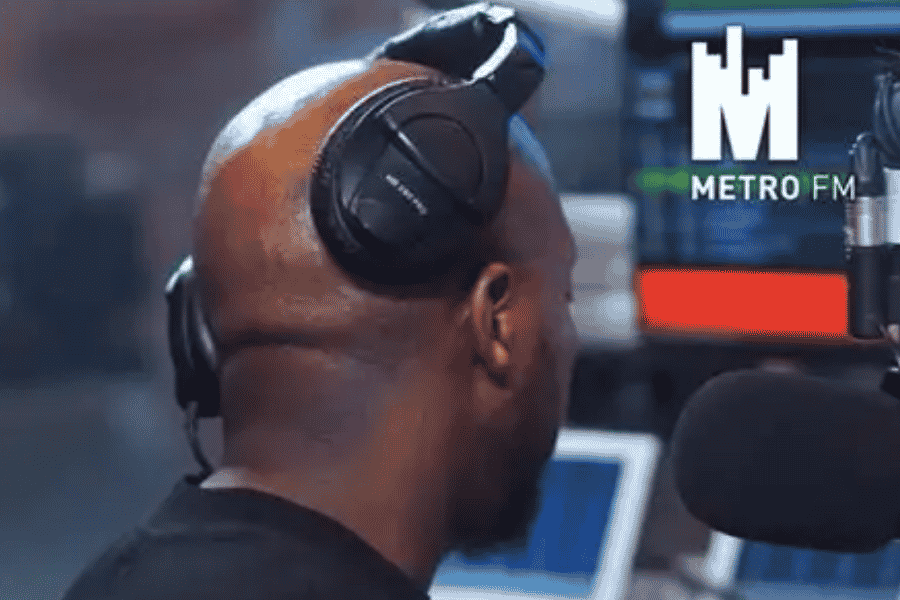
Move over, amapiano. Metro FM has caught the Maskandi bug and it is not even trying to hide it.
The national broadcaster’s station has been giving the genre some serious love lately, with Mthandeni SK Manqele, Lwah Ndlunkulu and Mawhoo, Ntencane and veteran duo Shwi Nomtekhala among the Maskandi names getting a seat at the Metro table.
And judging by the reaction from listeners, nobody seems to be complaining.
If anything, it feels as though Metro FM has discovered what Maskandi fans have been saying all along, the genre has plenty to say and plenty of people are listening.
Mthandeni SK Manqele has already brought his unmistakable energy to the station, while Ntencane has also made an appearance.
Then came the veterans.
Shwi Nomtekhala returned to the spotlight with a powerful twist on their popular song “Ngafa”, transforming the familiar track into a commentary on the plight of women.
And suddenly, an old favourite was having a very new conversation.
The response online was a mixture of nostalgia, admiration and a little bit of “these youngsters need to go back to school”.
Tshepo Hlasika was particularly emphatic about where he believes Shwi Nomtekhala belong in the Maskandi history books.
“Honestly Shwi Nomtekhala are the two artists that made SA take notice of this genre of music with their first album which was a banger. After them, the rest followed but cannot measure to them. GOAT, of not,” he wrote.
July Mndebele went even further, arguing that Maskandi and Mbaqanga have long been doing what some artists seem too scared to do, talking about what is actually happening in South Africa.
“Started with Mbaqanga and Maskandi to sing about the plight of South Africa. They always expose the truth and negligence of our people and government officials,” Mndebele wrote.
Then came Princess Sandile Vodloza with a story that showed just how personally music can hit.
She recalled growing up and witnessing her younger sister being beaten by a boy.
After finishing school, Vodloza said she confronted him and the young man apparently spent the day watering the family garden.
“He didn’t do it again,” she wrote.
She added that other children at school became too scared to beat her younger sister.
Her conclusion was less about music and more about a South Africa she feels has changed.
“What has happened with ubuntu guys?” she asked.
Umntekhala understood exactly where she was coming from.
“What is happening to women is sad and painful, something must be done about it. When we were growing up women were respected,” he said.
And just like that, Metro FM’s Maskandi moment became bigger than a few artists popping into the studio.
Because perhaps that is the sneaky power of Maskandi.
You can arrive for the music, stay for the nostalgia and suddenly find yourself discussing relationships, violence against women, ubuntu, politics and everything else going wrong in the country.
Metro FM may simply be giving Maskandi more airtime.
But judging by the conversations following those appearances, Maskandi has clearly got plenty of airtime of its own in people’s memories, opinions and group chats.