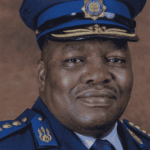
Major-General Feroz Khan may have lost his job at the South African Police Service, but his dismissal does not end one of the most important outstanding chapters of the Madlanga Commission.
The suspended deputy head of Crime Intelligence was dismissed by SAPS after failing to attend an expedited disciplinary process.
SAPS said Khan was deemed dismissed under its disciplinary regulations after failing to appear before the designated senior officer handling the matter.
His dismissal followed an unsuccessful attempt to stop the disciplinary process in the Labour Court.
But while Khan’s employment relationship with SAPS has now changed, another deadline remains.
He is still expected to appear before the Madlanga Commission on 28 September.
Khan was subpoenaed to testify before the Commission over allegations relating to interference in the criminal justice system. His scheduled appearance earlier this week was postponed after his legal representatives cited a medical impediment.
Commission chairperson Justice Mbuyiseli Madlanga, however, imposed strict conditions on any further attempt to postpone Khan’s testimony.
The Commission ordered that Khan must appear in person on 28 September unless an independent medical assessment establishes that he is genuinely unable to testify. Khan is also required to provide an affidavit responding to questions put to him by the Commission.
That creates an unusual situation.
Khan has now been removed from the police service. But the Commission’s interest in his evidence does not disappear simply because he is no longer employed by SAPS.
The questions facing Khan concern events and allegations that arose while he was serving in senior positions within Crime Intelligence.
His dismissal does not change what he may know about those events.
Nor does it automatically remove the Commission’s interest in hearing his version.
Khan’s anticipated testimony has already been delayed several times by medical issues.
The Commission’s patience appeared to have run out this week when it made any further absence conditional on an independent medical examination.
The order means that the focus is now shifting.
The question is whether he will finally take the witness stand.
Khan’s dismissal followed his failure to attend disciplinary proceedings. SAPS has said the decision forms part of its commitment to enforcing accountability and discipline across all ranks.
But the dismissal also creates new practical questions ahead of his Commission appearance.
Khan is no longer serving as deputy head of Crime Intelligence.
That could affect his access to police systems, official records and classified information that may be relevant to his evidence.
It also raises questions about how he will prepare for testimony concerning matters arising during his time in office.
The Commission may therefore have to distinguish between two separate issues, Khan’s personal obligation to testify about what he knows, and access to any official records or information required to properly contextualise that evidence.
The dismissal may change the stakes
For SAPS, Khan’s dismissal closes one chapter of an internal disciplinary process.
For the Madlanga Commission, it may open another.
A serving senior police officer answering questions about the conduct of Crime Intelligence is one thing.
A dismissed former senior officer answering those same questions is another.
Khan now faces the prospect of giving evidence without the institutional position he occupied when many of the events under scrutiny allegedly occurred.
His evidence could also be particularly important because the Commission is examining allegations of criminality, political interference and corruption within South Africa’s criminal justice system.
For now the Commission’s position is clear,
Khan’s testimony has been postponed.
And unless an independent medical assessment supports another absence, 28 September remains the date on which the dismissed former Crime Intelligence deputy head is expected to answer the Commission’s questions.