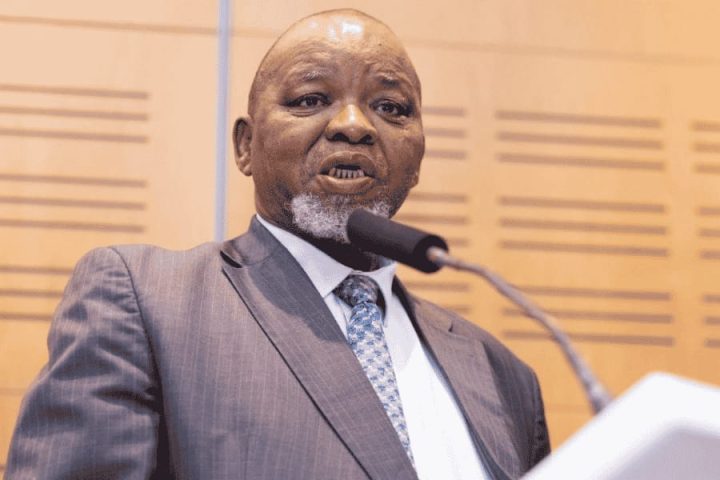
The ANC’s highest decision-making body is expected to hold a special meeting on Monday to mull over the party’s ongoing coalition negotiations and give direction on the way forward in hung municipalities.
The National Executive Committee (NEC) will receive a report from the ANC’s National Negotiations Team, which has been engaging with various political formations since the 2026 local government elections produced no outright winner in a large number of councils.
The meeting comes at a decisive moment in the negotiations, with the clock running for councils to be constituted and mayors, speakers and other office-bearers to be elected.
The party has been exploring possible governing arrangements in municipalities where no single political party secured an outright majority.
In those municipalities, the ANC must decide whether to enter into confidence-and-supply arrangements, co-governance agreements, or broader coalitions, and on what terms.
The special meeting will also have to consider proposals that have been placed before the ANC by other parties.
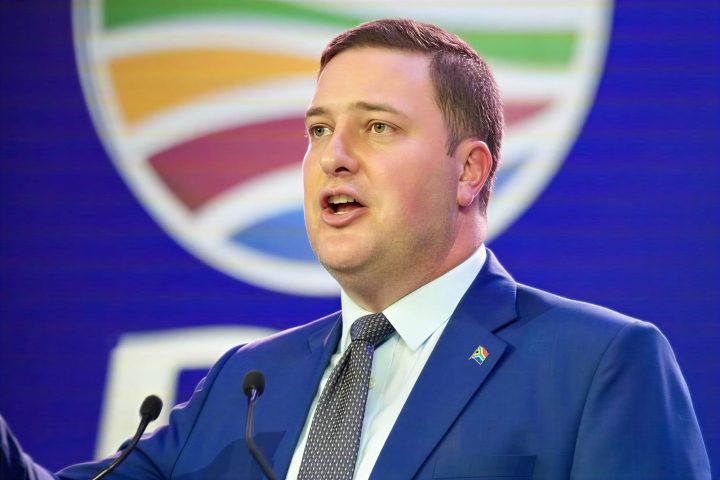
The DAhas tabled a written stability framework proposal to the ANC, which it says would resolve questions of local government instability for the next five years.
Under that proposal, the ANC would lead 93 councils, the DA 24 and the Inkatha Freedom Party (IFP) 20, subject to agreement with the IFP, out of 137 hung municipalities.
The DA says the numbers reflect the principle that the largest party leads the coalition government, and that where the ANC earned the strongest support, an ANC mayor would be elected, with the same principle applying where the DA or the IFP is the largest party.
The DA has also proposed a flexible approach on the hung metros, and has said it is willing to negotiate a deviation from the largest-party principle in certain metros, provided the outcome involves a set of agreed priority policies and is mutually beneficial to both parties.
The DA has further proposed that the party would not support any motion of no confidence in terms of Section 102 of the Constitution, or a motion to dissolve the National Assembly in terms of Section 50 of the Constitution, for a period of at least 18 months from the commencement of an agreement.
The DA says the proposal was made in writing during a negotiating engagement on Friday, 20 November 2026, and that it had not yet received a response.
The ANC has also held talks with other parties, including ActionSA, the EFF, the uMkhonto weSizwe Party (MKP), the Patriotic Alliance (PA) and RISE Mzansi, among others.
Those talks have focused on the future of the Gauteng metros — Johannesburg, Ekurhuleni and Tshwane — as well as other hung councils across the country.
In Johannesburg, who becomes mayor has emerged as a central issue in the negotiations, with several parties positioning themselves to lead the country’s economic hub.
Before mandating its negotiators to finalise any agreement, the ANC’s NEC will have to consider the political, governance and service delivery implications of each option.
The NEC is also expected to consider what any local government agreement would mean for the Government of National Unity (GNU) at national level.
The DA has argued that a municipal stability agreement would strengthen the GNU and entrench stability at every level of government.
Other parties have argued that local arrangements should not be linked to national politics, and that each municipality should be dealt with on its own merits.
The ANC was approached for comment on the agenda of the special NEC meeting.