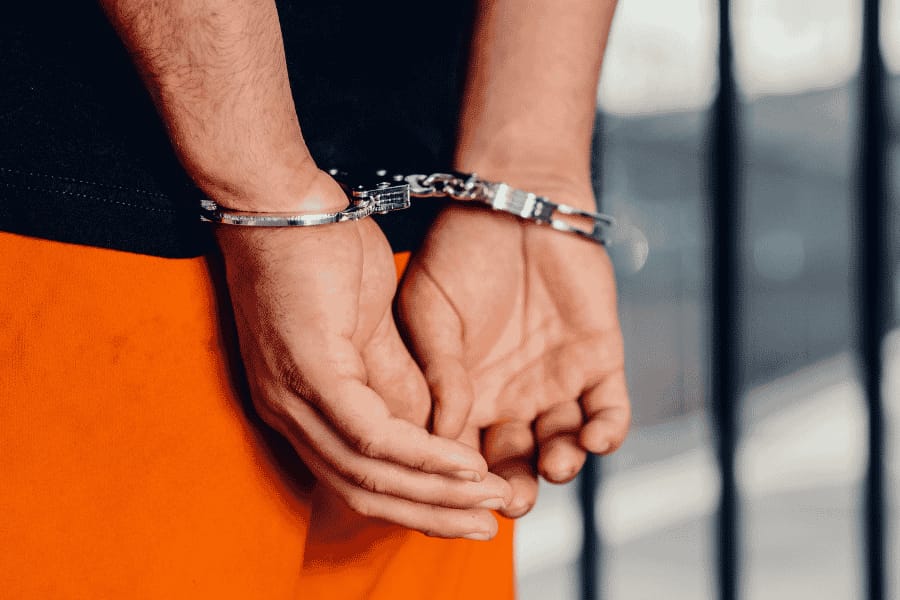
Incarcerated women were at the centre of the Beauty Beyond Bars Dialogue, where they were encouraged to look beyond their past mistakes, take ownership of their rehabilitation, and prepare to rebuild their lives.
The dialogue, hosted by the Department of Correctional Services (DCS), in partnership with Mother Africa Dialogues, at Johannesburg Correctional Facility on Friday, 20 November 2026, brought together government leaders, judicial representatives, traditional leaders, human rights advocates and civil society organisations to discuss the rehabilitation, dignity, healing and reintegration of women offenders.
The women shared their personal journeys, reflected on the circumstances that led to their imprisonment, and considered possibilities for rebuilding their lives.
Their experiences showed how criminal behaviour cuts across different social and professional backgrounds, with women sharing experiences involving offences ranging from robbery and murder to fraud.
Retired Judge Thokozile Matilda Masipa delivered a message on second chances, inner freedom and healing, encouraging the women not to allow their circumstances or past mistakes to determine their self-worth.
Drawing from her experience in the judiciary, Masipa reminded the women that incarceration did not take away their humanity or their ability to rebuild their lives.
“I believe in the power of second chances. There is no dustbin for people,” she said.
She challenged the women to distinguish between physical confinement and the emotional burdens they continued to carry, warning that bitterness, resentment and hatred could become prisons of their own.
“If you still have bitterness and hatred, you are still imprisoned. You need to heal from your past so that you can clear the path for the future,” Masipa said.
She encouraged them to turn their experiences into lessons that could inspire others, particularly those at risk of making similar decisions.
Representing the Embassy of Guinea, Madame Santou Dabo urged the women not to allow imprisonment or society’s perceptions to define their identities or limit their aspirations.
“Your current circumstances do not define your worth. Do not allow the perception of society to define you. Continue to believe and want more beyond these walls,” she said.
Dabo highlighted the importance of motherhood, encouraging incarcerated mothers to remain hopeful and recognise the role of love in maintaining family relationships.
Princess Tshegofatso Mathe of the Matloung Ba Ga Shole Royal Family in the North-West also addressed motherhood, family and community responsibility under the theme, “It takes a village to raise a child”.
Mathe said that although women may be incarcerated, their responsibilities and emotional connections as mothers do not disappear.
She called for society to support both children affected by their mothers’ incarceration and the women themselves, emphasising the need for healing and restoration.
Deputy Minister of Correctional Services Lindiwe Ntshalintshali said preparing the women for their return to society required a coordinated effort extending beyond correctional facilities and involving all sectors of society.
She said the dialogue showed the importance of cooperation within the Justice, Crime Prevention and Security (JCPS) Cluster in advancing rehabilitation and reintegration.
Ntshalintshali called on communities and the business sector to address the stigma faced by former inmates, particularly when seeking employment and acceptance after release.
She urged employers to look beyond criminal records and consider the skills, knowledge and practical competencies women acquire through correctional rehabilitation and vocational programmes.
“Behind bars, there are human beings who need our support. I am challenging everybody to come on board because we (DCS) give them skills. Consider helping them turn their lives around,” she said.
Addressing the women, Ntshalintshali encouraged them to participate actively in rehabilitation programmes offered by the department, explaining that these interventions were intended to develop their skills, strengthen their character and prepare them for responsible reintegration into their communities.
She also acknowledged the work of correctional officials, whose responsibilities extend beyond the safe custody of inmates to include their rehabilitation and preparation for reintegration.
She reaffirmed the department’s responsibility to protect the dignity and rights of women in its care, including ensuring appropriate healthcare and support for mothers and their babies.
The dialogue concluded with a call for collective responsibility, with the department emphasising that successful rehabilitation cannot be achieved by Correctional Services alone.
Families, communities, employers, civil society organisations and other stakeholders were encouraged to create opportunities for women leaving correctional facilities, ensuring that their past convictions do not become a permanent barrier to social and economic participation.