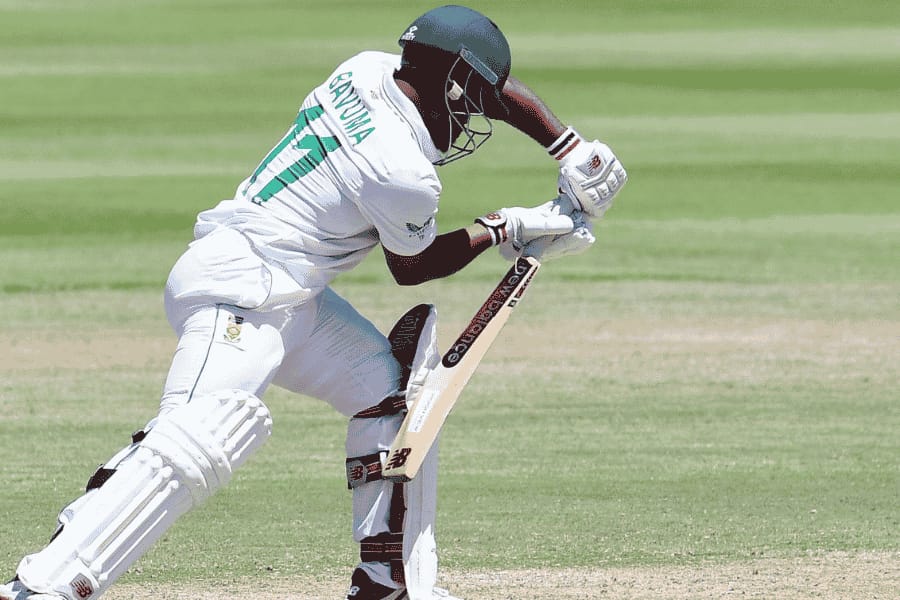
South Africa is stepping up preparations for the 2027 ICC Men’s Cricket World Cup, with millions of rands committed to stadium upgrades, improvements to cricket infrastructure and development programmes ahead of the global tournament.
The tournament, which will be co-hosted by South Africa, Zimbabwe and Namibia from October 2 to November 21, 2027, will bring the Cricket World Cup back to African soil for the first time since 2003.
A significant boost to preparations came through an investment of more than R65 million from the National Lotteries Commission (NLC) to support Cricket South Africa (CSA) with infrastructure improvements and cricket development initiatives.
The funding is expected to contribute towards upgrading facilities at eight South African World Cup venues, including improvements to players’ changing rooms, media and broadcasting facilities, safety systems and ground-maintenance equipment.
The investment is also intended to strengthen cricket development programmes across the country, ensuring that the tournament leaves a lasting legacy beyond the international matches.
South Africa’s eight host venues are Newlands Cricket Ground in Cape Town, Boland Park in Paarl, St George’s Park in Gqeberha, Buffalo Park in KuGompo City, Mangaung Oval in Bloemfontein, Kingsmead in Durban, SuperSport Park in Centurion and the Wanderers Stadium in Johannesburg.
These grounds are expected to undergo the necessary preparations to ensure they meet international standards and provide suitable facilities for players, match officials, broadcasters and spectators.
Newlands is scheduled to host the tournament’s opening match and first semi-final, placing Cape Town at the centre of the competition’s early proceedings.
The Western Cape government has also committed R15 million towards improvements at Newlands and Boland Park, adding to the investment aimed at ensuring the venues are ready for the tournament.
However, while funding commitments and improvement projects represent important progress, further work will be required to ensure that all venues meet the International Cricket Council’s requirements before the first ball is bowled.
Preparations are also advancing in neighbouring Zimbabwe and Namibia, which will share hosting responsibilities with South Africa.
In Zimbabwe, construction of the Mosi-oa-Tunya International Cricket Stadium in Victoria Falls has made significant progress, with major structures, including the grandstands, changing rooms and media facilities, substantially completed by October 2026.
Finishing work was continuing, with full completion targeted for mid-2027. Existing grounds in Harare and Bulawayo are also being prepared to accommodate World Cup matches.
The three host countries are expected to stage 57 matches involving 14 teams across 12 venues, making coordination between the organisers essential to the success of the tournament.
Beyond stadium improvements, the investment in South African cricket is intended to support young players, community clubs and coaches.
Cricket South Africa’s network of 70 development hubs is among the initiatives expected to benefit from broader efforts to strengthen the sport at grassroots level.
The objective is to use the World Cup as an opportunity to improve access to cricket, nurture emerging talent and expand development opportunities in communities across the country.
Despite the encouraging progress, challenges remain, particularly in ensuring that construction and refurbishment projects are completed on schedule.
Organisers must also coordinate transport, accommodation, security, broadcasting and match-day operations to accommodate international teams and supporters.
The successful delivery of the tournament will depend not only on the readiness of the cricket grounds but also on the ability of the three host countries to provide a safe, efficient and memorable experience for players and spectators.
With the tournament scheduled to begin in October 2027, the coming months will be crucial in turning infrastructure investments and construction projects into fully operational facilities.
For South Africa, the challenge is to deliver a successful global sporting event while ensuring that the investment generates lasting benefits for the country’s cricketing future.