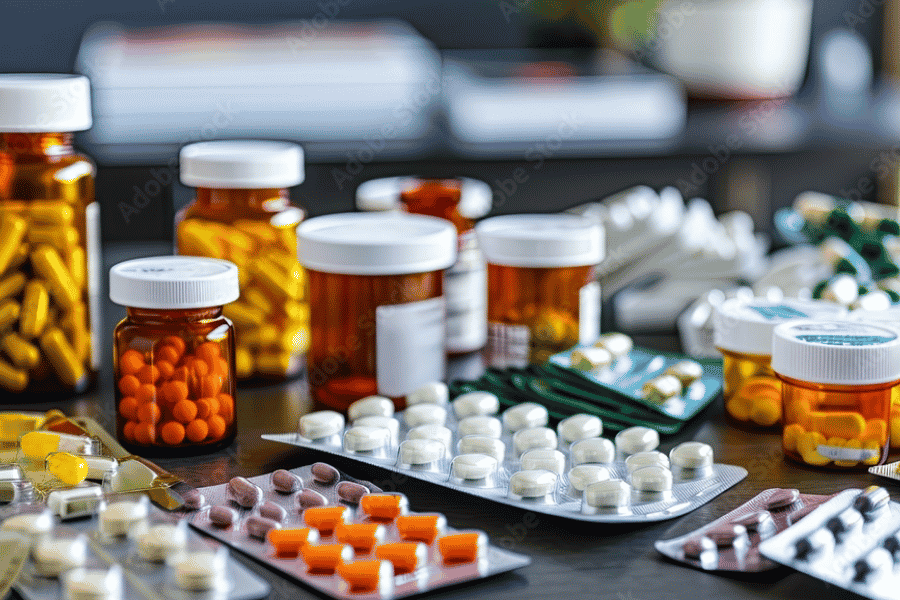
South Africans will pay more for medicine from today while patients across the country struggle to find essential drugs, including folic acid, epilepsy medication, contraceptives and antibiotics.
The Department of Health has pushed through a second Single Exit Price (SEP) adjustment for 2026, with medicine prices increasing by 2.88% from 1 October 2026.
The move comes as hospitals and clinics battle months-long stockouts.
It is the second increase this year. The first was set at 1.47%, a sharp drop from 5.25% in 2025 and below the current inflation rate of 3.6%.
Manufacturers have warned for months that they are being squeezed between soaring production costs and tightly regulated prices.
In April, the Pharmaceutical Task Group demanded an additional 1.73 percentage points, which would have pushed the total increase to 3.2%.
The standoff was escalated to Parliament in August and was thrashed out between government and industry representatives on 18 August. The compromise landed at 2.88%.
While the department insists the hike is limited, the timing has sparked outrage.
Some medicines have been out of stock for months, with projections that shortages could stretch until November.
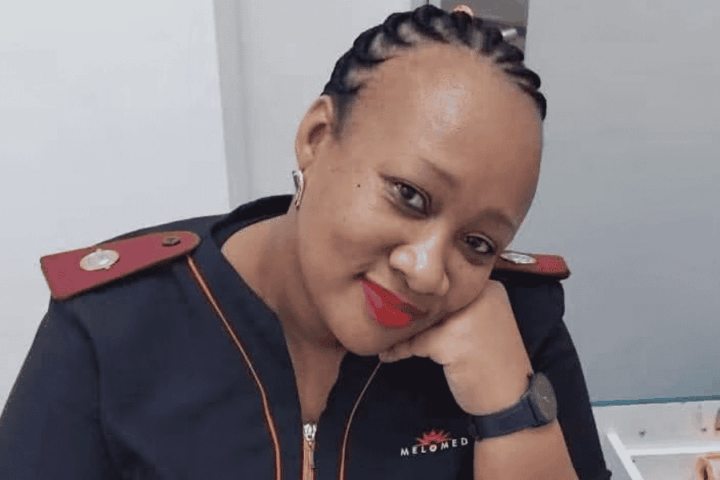
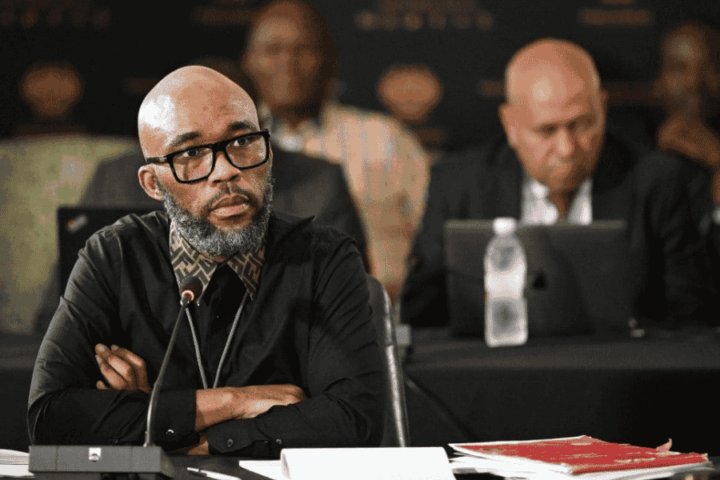
Chief Director for Sector Wide Procurement, Khadija Jamaloodien, said the department’s priority was to protect patients.
“Our ultimate aim is to make sure that our patients are not disadvantaged, and that’s what we’re all working towards, both at the national and provincial level,” Jamaloodien said.
She defended the use of Section 21 authorisation to import unregistered medicines as an emergency measure, saying it had been used for more than a decade.
She said it was “one of several interventions available to the department to ensure continuous access to medication.”
But that assurance rings hollow for patients turned away empty-handed and for local industry warning of collapse.
Pharmisa, which represents major local manufacturers including Aspen, Adcock Ingram and Biovac, says the sector has shed more than 2,500 jobs in the past 18 months alone.
It says the share of the solid-dose tender held by local manufacturers has collapsed from about 55% of the volume in 2014 to about 14% in 2026.
The Department of Health has hit back, accusing Pharmisa of misleading Parliament and arguing that increased competition has lowered prices.
It has denied that local manufacturing is being sidelined in public procurement.
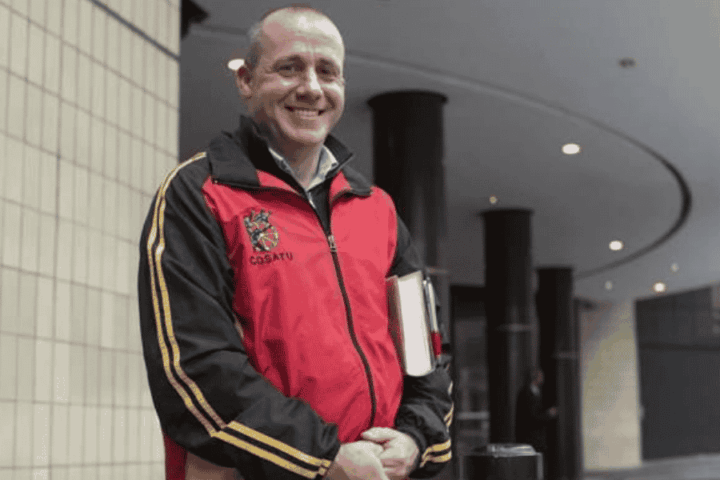
The Congress of South African Trade Unions (Cosatu) has now entered the fray, calling for urgent intervention to stem the job losses and protect South Africa’s pharmaceutical sovereignty.
The department has sought to downplay the impact of the price hike, noting that SEP only applies to medicines sold in the private sector and does not directly affect public-sector prices.
Because the 2.88% adjustment will only apply for three months of 2026, it says the overall impact on patients will be limited.
It has also argued that shortages of specific brands, pack sizes or suppliers “should not necessarily be interpreted as patients being left without treatment.”