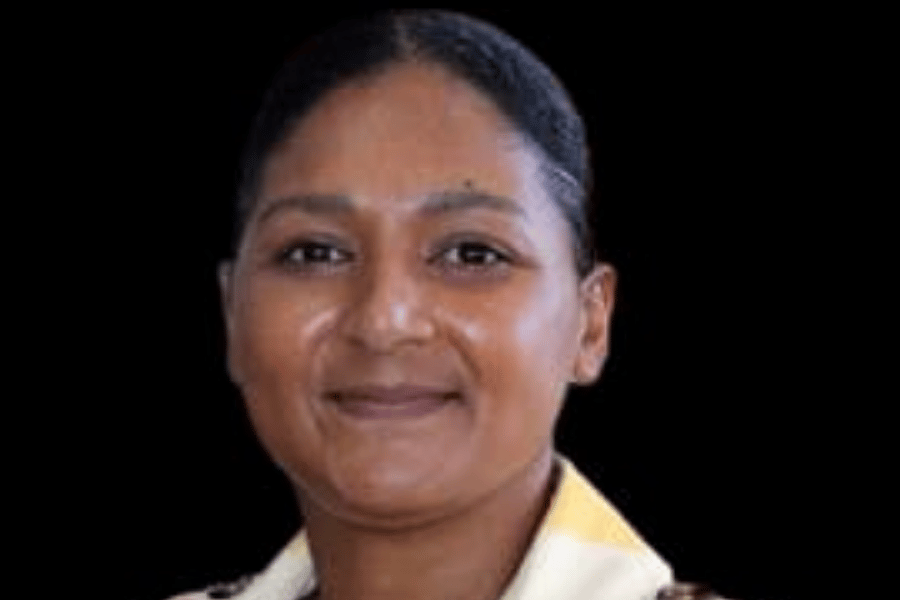
Leanne Williams’s appointment as Robben Island Museum CEO has come under scrutiny.
This after MPs heard that she was initially excluded from the shortlist for allegedly failing to meet the minimum experience requirements.
According to the job requirements, the position required at least 10 years of executive experience, relevant qualifications and knowledge of history and heritage, among other criteria. Williams did not meet these requirements, yet she was asked to submit her CV.
Dr Jonty Tshipa, the museum’s former chief operating officer, told the committee that Williams had not made it onto the initial shortlist because she did not meet the minimum requirements.
“The initial list that senior manager HR had compiled did not have Leanne Williams as a shortlisted candidate. She was in the long list of those people that did not meet the minimum requirement,” Tshipa said.
The revelation raised an obvious question, how did a candidate who had initially been screened out of the process eventually emerge as the successful applicant?
Tshipa said he could not explain why Williams’s application had subsequently been reconsidered.
“And why they requested other CVs and suddenly Ms Williams came through, your guess is as good as mine, I wouldn’t know,” he said.
The committee heard that the council had requested additional CVs after concerns emerged about errors in the initial longlisting process.
Tshipa also told MPs that he had proposed contacting Williams’s former employers to verify her employment history, but the suggestion was rejected.
“I said, please call employers but that suggestion was rejected,” Tshipa said.
His account raised questions about whether the recruitment panel had adequately verified the credentials and experience of the eventual appointee before selecting her to lead one of South Africa’s most significant heritage institutions.
The allegations are particularly serious given that the position was subject to minimum qualification and experience requirements.
The committee has not established that Williams was unlawfully appointed or definitively failed to meet the advertised criteria.
Those questions are among the matters MPs want investigated.
Williams, who took up the position on 8 June 2026, told the committee that she had been well prepared for the recruitment process and had been informed that her assessment results were good.
She said she had not received the assessment results herself and was not part of the selection panel, leaving her unable to explain why the council had ultimately chosen her.
Her response did little to resolve the central question confronting the committee, if the recruitment process was properly conducted, why was she initially excluded from the shortlist, and what changed before she was appointed?
Council members defended the process, saying the initial longlisting exercise had contained errors and that additional CVs had been requested as a result.
Camille De Koker told the committee that the council had reviewed the CVs and requested four additional applications after the senior human resources manager made mistakes during the longlisting process.
She maintained that the request was not made specifically to accommodate Williams.
The explanation, however, left MPs questioning how a process intended to identify candidates who met the requirements could have been sufficiently flawed to necessitate additional CVs and whether the corrective process was fair to other applicants.
De Koker also argued that the museum needed a leader with strong commercial and turnaround experience, pointing to the institution’s operational and financial challenges.
But the emphasis on commercial expertise raised another question, had the council properly balanced the museum’s business needs with its responsibility to protect and preserve Robben Island’s historical and heritage significance?
Professor Saths Cooper, the council chairperson, distanced himself from aspects of the recruitment process, telling MPs that he was not privy to how applications had been received and was unaware of some of the allegations raised by Tshipa.
Cooper said the allegations were serious and could bring the museum into disrepute.
His response did little to satisfy MPs seeking answers about how the appointment had been handled and whether the process had been above board.
ANC MP Matsholo Mmolotsane challenged Cooper over the appointment, saying there were candidates who were more qualified than the current CEO.
The criticism put the council under pressure to explain why Williams had been selected over other applicants and whether the decision was supported by a transparent, properly documented assessment of the candidates.
EFF MP Eugene Mthethwa also questioned Williams directly about her suitability for the position, asking what skills she possessed that had secured her appointment.
Williams maintained that she had performed well during the assessment process.
The committee’s concerns extended beyond the CEO’s individual qualifications to the council’s handling of the recruitment process and the apparent gaps between the initial screening, the request for additional CVs and the final appointment.
ANC MP Gaolathle Kgabo called for an independent investigation into Williams’s appointment, demanding that the process be examined and a report submitted within 30 days.
The investigation would need to establish whether the advertised requirements were consistently applied, why Williams was initially excluded from the shortlist, what prompted the request for additional CVs, whether all candidates were treated fairly and whether the council properly documented its decision.
It should also examine Tshipa’s allegation that his recommendation to contact Williams’s former employers was rejected, including who made that decision and why.
The controversy has placed the council’s credibility under the spotlight at a time when the museum is already facing questions about governance, financial management and institutional performance.
Robben Island is not an ordinary public entity. It is a site of profound historical significance, closely associated with the struggle against apartheid and the imprisonment of political activists, including former president Nelson Mandela.
The appointment of its chief executive should therefore withstand the closest scrutiny.
A process in which a candidate is reportedly excluded for failing to meet the minimum requirements, only to emerge as the successful applicant after additional CVs are requested, demands a clear and convincing explanation.