Robben Island Museum’s handling of an investigation into its ticketing system has come under scrutiny.
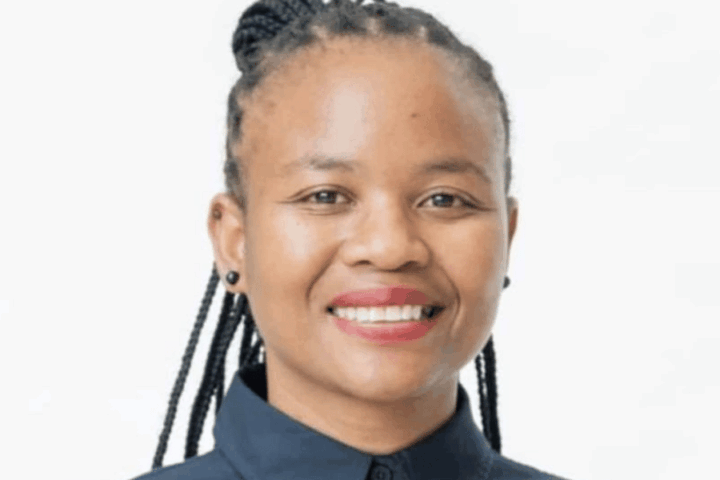
This after MPs heard that CEO Leanne Williams received a report finalised in January 2025 only in September this year, while council chair Professor Saths Cooper said he had never seen it.
The revelations have raised questions about who received the findings, why the report took more than a year to reach the CEO, and whether the museum acted on potential weaknesses in a system responsible for generating revenue from visitors to one of South Africa’s most important heritage sites.
Williams told the Portfolio Committee on Sport, Arts and Culture that she received the report from the museum’s chief operating officer on 17 September 2026.
Cooper, however, told MPs he had not seen it.
“I didn’t have that report,” he said.
The conflicting accounts have put the spotlight on the museum’s internal accountability and the handling of an investigation into its ticketing arrangements, including the role of Plankton, the company involved in the ticketing system.
The committee heard that concerns had been raised about how tickets were recorded and reconciled, including whether concessionary tickets were being correctly reflected in the system.
Williams said tickets sold at discounted rates, including tickets for schoolchildren and disadvantaged visitors paying R30 could be recorded as ordinary tickets. Such discrepancies could complicate the reconciliation of ticket sales and make it difficult to establish whether revenue was being accurately accounted for.
Questions were also raised about cancelled tickets allegedly remaining usable, potentially creating opportunities for tickets to be reused without the appropriate transaction being recorded.
The concerns are significant because the museum needs reliable records to account for visitor numbers, ticket income and concessions. Any weakness in those controls could make it harder to establish whether the revenue reported by the institution accurately reflects the tickets sold and used.
Williams told MPs that visitor numbers had increased by 13.6%, while revenue had risen by only 5%.
The difference raises questions about the relationship between visitor numbers and income, although the figures alone do not prove that money has been lost or that wrongdoing has occurred. Concessionary rates, ticket categories and other factors would need to be examined before any conclusion could be drawn.
Williams acknowledged the possibility of revenue leakages but said the extent of any losses had not yet been quantified.
The committee was therefore left with an uncomfortable gap: the museum had an investigation report dating back to January 2025, its CEO said she had received it only in September 2026, and the council chair said he had not seen it.
The timing raises further questions about how the report was handled after it was completed, who was responsible for reviewing its findings and whether any corrective measures were implemented.
It also raises questions about why the museum appears to have pursued further investigative work into ticketing when an earlier report was already available.
Williams warned that duplicating investigative work without first establishing what had been done could amount to wasteful expenditure.
She described the prospect of a duplicate investigation as potentially “fruitless and wasteful expenditure in its purest form.”
The concern is whether public money could be spent investigating problems that had already been examined, while the findings of the original investigation remained insufficiently considered or acted upon.
Before further money is committed, the museum should establish what the January 2025 investigation found, whether its recommendations were implemented and whether any outstanding questions genuinely require a separate investigation.
The committee’s concerns also reach beyond the report itself. MPs need to establish whether the ticketing system provides adequate safeguards against inaccurate records, the misuse of cancelled tickets and discrepancies between visitor numbers and reported income.
That requires more than assurances that the museum is investigating. It requires documentary evidence showing what the original investigation uncovered, what management did in response and whether the ticketing system’s weaknesses have been addressed.
The museum should also explain the respective responsibilities of its management, council and ticketing contractor, including who was required to receive the report and oversee implementation of its recommendations.
The unanswered questions are particularly concerning because reliable ticketing and revenue controls are fundamental to the museum’s financial management. Without them, it becomes more difficult to establish whether the institution is collecting the income it is entitled to receive and accurately accounting for public-facing operations.
The committee should now demand the January 2025 report, the terms of reference for the investigation, the investigator’s appointment and cost, and records showing when the report was completed, submitted and circulated.
It should also establish whether a second investigation was commissioned, who authorised it, how much it will cost and what additional questions it is intended to answer.
Until those records are made available, the committee cannot establish whether the problem lies in the ticketing system, the museum’s financial controls, the handling of the investigation report or a combination of these failures.
What is already clear is that MPs have been presented with serious questions about the handling of an investigation into a revenue-generating system without a complete account of what the original report found or what was done about it.