The National Freedom Party (NFP) in KwaZulu-Natal has called the IFP “the enemy of the people”.
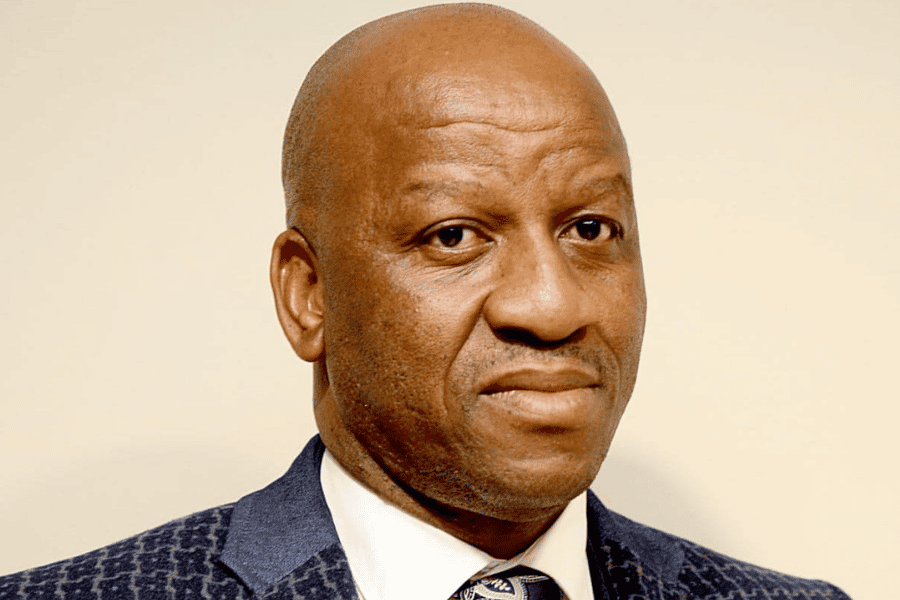
It has accused Premier Thami Ntuli of autocracy over his call for soldiers to deal with anti-illegal immigration protests in Durban.
In a statement dated 11 October, the party said the March and March protests must continue “until we win”.
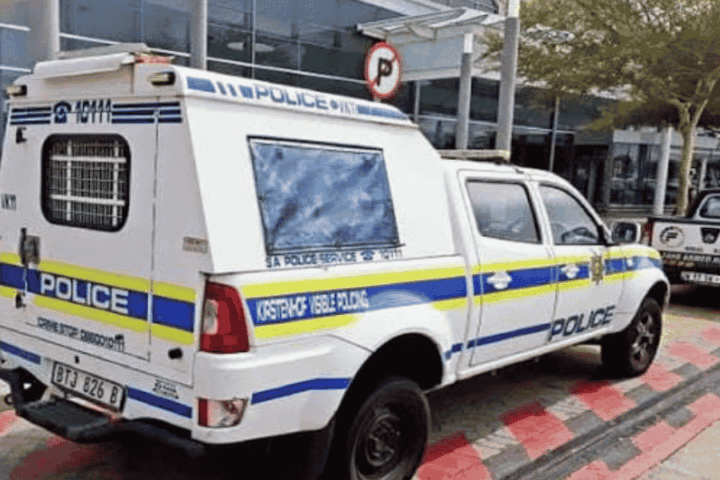
It said it rejects the documentation of illegal foreigners for asylum and refugee status. It also accused SAPS of brutality towards South Africans and leniency towards foreigners.
The statement was signed by NFP provincial acting secretary Zithembe Ngobese.
“The deployment of soldiers to harass and attempt to dismantle the marches is a true call of a leadership incapacity in the making,” the party said.
It said Ntuli had chosen autocracy instead of handling the protests diplomatically. It referred to him as “Premier” in quotation marks.
The NFP accused the IFP of a history of collaborating with the right wing since the 1970s. It described the IFP’s cooperation with the DA as “comfortable collusion”.
“In a progressive state one cannot collaborate with the minority whose agenda is opposed to the economic participation by black majority,” the statement reads.
The party defended March and March. It called the movement “a true demonstration of a maturing democracy” and said it was not a threat to government or the economy.
The NFP blamed illegal immigration for job losses, social instability and lawlessness. It said 70% of young people aged 19 to 40 are unemployed.
Stats SA uses different age bands, and its figure is lower. The official youth unemployment rate for 15 to 34-year-olds rose to 47.4% in the second quarter of 2026.
The party claimed Durban and other towns were overwhelmed by illegal drug dealers and human traffickers, and said SAPS could do nothing about them.
“Police must go after real criminals and leave soft targets in protests,” the statement reads.
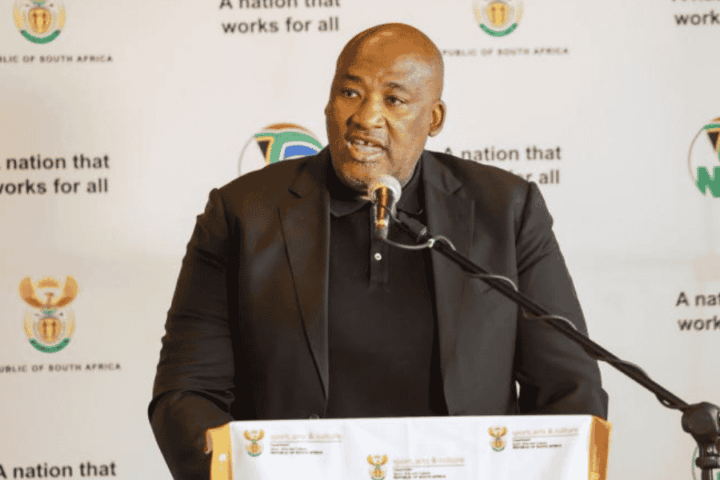
Ntuli announced on Friday, 9 October, that he had formally asked for the SANDF to be deployed in Durban, saying the situation had become unmanageable.
He made the announcement during a walkabout with acting Police Minister Firoz Cachalia, and said he was awaiting a response.
On 8 and 9 October, police reported 14 vehicles torched, shops looted and buildings damaged in the Durban CBD. About 10 vehicles were burned in Soweto.
The unrest followed a Home Affairs directive. Issued on 28 September, it was meant to implement a Constitutional Court judgment delivered on 7 July in the Scalabrini Centre of Cape Town case. The ruling struck down procedural barriers in the Refugees Act, allowing asylum claims to be assessed on merit even where people entered irregularly or missed deadlines.
Anti-illegal immigration groups, including March and March, gathered outside the Che Guevara Road refugee office and blocked people from applying.
Home Affairs director-general Livhuwani Makhode withdrew the directive, citing public safety. The withdrawal does not overturn the court’s judgment.
Under section 201 of the Constitution, only the President can authorise soldiers to work alongside police, and he must inform Parliament.
In June, Ramaphosa deployed 3,405 soldiers in support of SAPS from 28 June to 31 July, at an expected cost of R54.6 million.
The NFP was formed in 2011 by Zanele kaMagwaza-Msibi after she left the IFP.
It joined the Government of Provincial Unity after the 2024 elections with a single seat, and its Mbali Shinga became MEC for Social Development. In December, the party supported an MK Party motion of no confidence in Ntuli.
The NFP withdrew from the coalition on 5 January 2026. In April, it expelled Shinga for defying its instruction to vote against Ntuli.