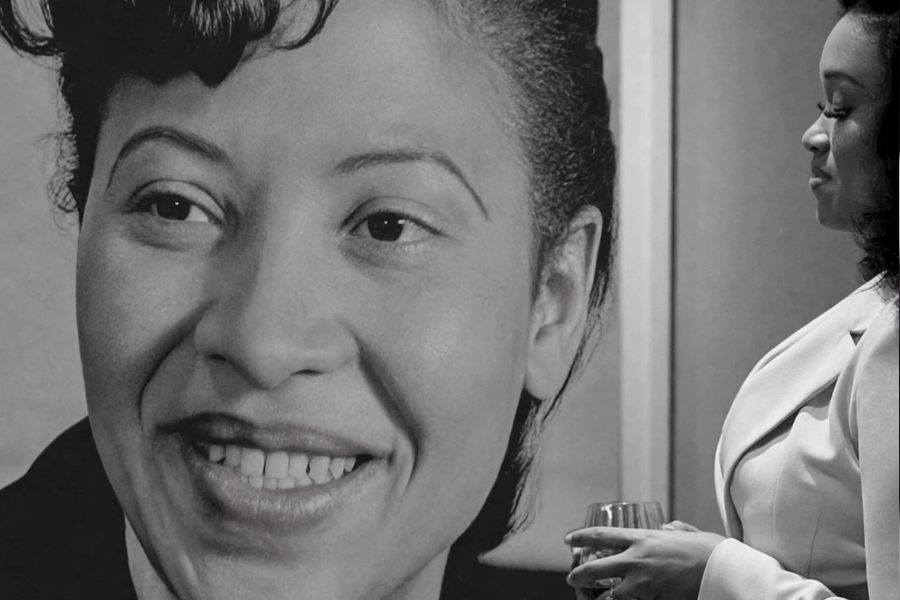
Families of women who led the historic 1956 Women’s March, together with Winnie Madikizela-Mandela’s family, have condemned Glenlivet for using their images, history and legacy in an advertising campaign for whisky.
The families of Lilian Ngoyi, Helen Joseph, Rahima Moosa, Sophia Williams-De Bruyn and Winnie Madikizela-Mandela, as well as the Lilian Ngoyi Foundation and the Sophie and Henry De Bruyn Legacy Foundation, said they were deeply disappointed by the campaign.
In a statement released on Wednesday 2 September, the families accused Glenlivet of commercially exploiting the history and sacrifices of women who fought against apartheid.
The families said the women did not march so that their struggles could later be reduced to a marketing tool for commercial gain.
“Their courage, suffering, and sacrifices” were rooted in a fight for dignity, freedom and a better future for generations to come, they said.
Sophia Williams-De Bruyn, one of the surviving leaders of the 1956 Women’s March, said the use of her image to promote alcohol was deeply painful.
She said she had not given Glenlivet permission to use her image or legacy and rejected the idea that the history she and her late husband, Henry De Bruyn, dedicated their lives to could be turned into a corporate asset.
The families also condemned the use of Winnie Madikizela-Mandela’s voice in the campaign, saying it was disrespectful to use her voice as part of an advertisement for alcohol.
They said the campaign was particularly insensitive given South Africa’s ongoing challenges with alcohol abuse and gender-based violence.
The families also highlighted the history of alcohol exploitation in black communities under colonialism and apartheid, including the destructive “dop system”.
Against this backdrop, they said, linking alcohol advertising to the legacy of the 1956 Women’s March was “entirely incomprehensible”.
Glenlivet has since removed the advertisement and issued a public apology.
However, the families said taking down the social media post did not undo the damage, as the campaign continued to circulate online.
They rejected an apology focused merely on causing “offence”, saying the matter involved what they described as the unauthorised corporate appropriation of national heritage.
The families have called on Pernod Ricard and Chivas Brothers leadership, including chairman Alexandre Ricard, to meet with them and provide a transparent explanation of how the campaign was developed.
They also want to know what historical considerations were made and why the affected families were not consulted.
In addition, they are demanding a written apology directly to the families.
The organisations said they would pursue the matter through the Advertising Regulatory board to ensure that the legacy of the 1956 Women’s March is protected from commercial exploitation.