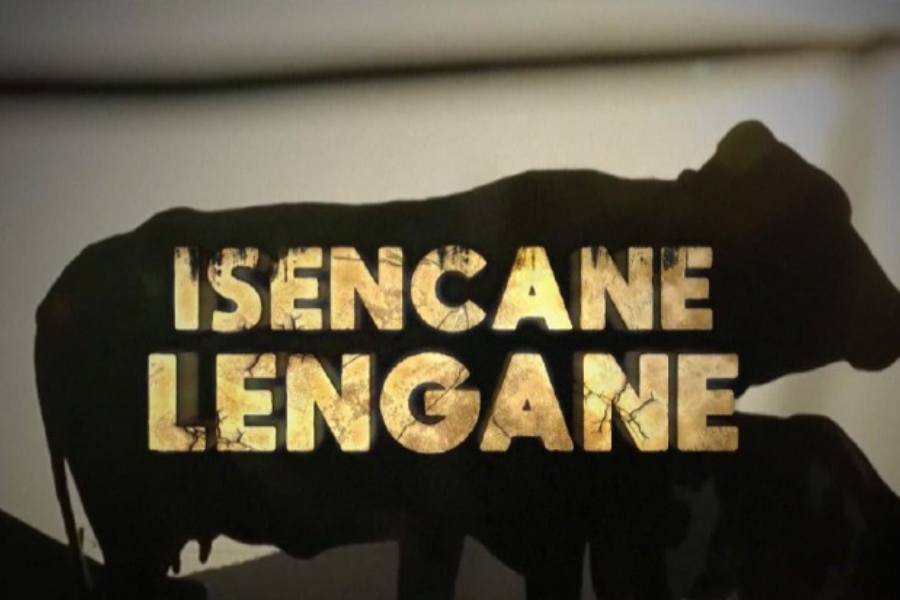
The latest season of Isencane Lengane has barely settled into its eighth season, but the controversial Moja Love reality show is once again facing calls for cancellation.
This time, the backlash comes against the backdrop of a regulatory battle that previously questioned whether the programme’s continued broadcast was contributing to, rather than challenging, gender-based violence.
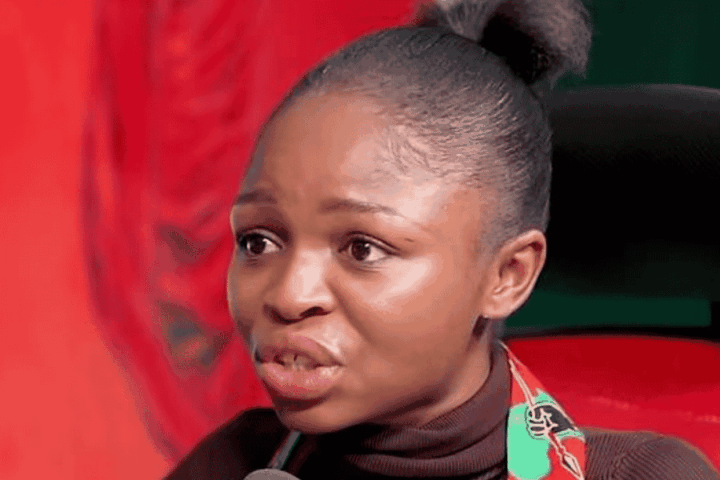
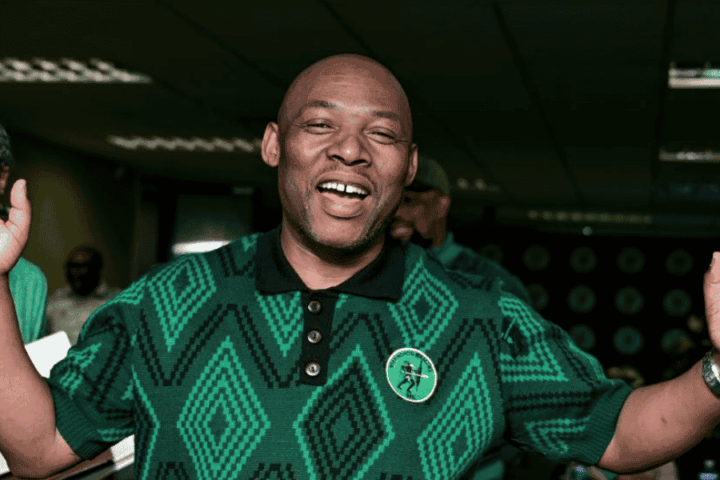
The latest uproar centres on a recent episode involving Siyacela Dlamuka and his wife, Thando Msomi, in which Siyacela makes a startling allegation about his mother-in-law.
During the latest episode, he also tells Thando that he hates his mother in-law and alleges that she seduced him. He also repeatedly refers to his mother-in-law in derogatory terms.
“I hate harlots and I don’t want them in my house including your mother,” Siyamcela told Thando.
“Your mother has a big private part. It’s so big. ..She licked my private part. You should ask Nqobani,” he continued.
The highly personal exchange has triggered renewed anger among viewers, some of whom are again calling for Isencane Lengane to be taken off air.
The controversy is particularly significant because the programme has already survived several rounds of public outrage and a complex battle before the Broadcasting Complaints Commission of South Africa (BCCSA).
Africa Daily approached the BCCSA about the latest backlash and specifically asked whether complaints had been lodged against Season 8.
The answer was unequivocal. “No complaints concerning the latest Season 8 episodes have been received,” BCCSA said.
The BCCSA also stressed that it is an independent adjudicative body whose jurisdiction is limited to broadcast content. It said it considers formal complaints against programmes that have already been broadcast and does not dictate what broadcasters should put on air.
“Editorial independence remains the prerogative of the broadcaster. Section 6(3) of The Broadcasting Act 4 of 1994 provides that the broadcaster ‘in pursuit of its objectives and in the exercise of its powers, enjoys freedom of expression and journalistic, creative and programming independence as enshrined in the Constitution’. Accordingly, the broadcasters decide what is broadcast,” said BCCSA.
“When adjudicating a complaint, the BCCSA assesses whether the content in question contravenes the applicable Code. It does not dictate what should have been broadcast but rather determines if the content, as aired, constitutes a contravention of the Code,” they continued.
In other words, the current calls for cancellation appear to be public pressure rather than a formal regulatory case before the BCCSA.
The BCCSA also made clear that a complainant must make out a prima facie case under a specific provision of the applicable Code before the regulator can adjudicate the matter.
But Isencane Lengane is not a stranger to the regulator.
In 2025, the BCCSA dealt with Case 13/2025, Mphuthi v MultiChoice Channel 157, concerning Isencane Lengane and allegations of hate speech based on gender.
The complaint went beyond a single controversial scene. The complainant argued that the continued broadcast of the programme despite years of public uproar constituted incitement to cause harm.
The initial BCCSA Tribunal accepted that argument and found a contravention of the applicable hate-speech provision. But MultiChoice appealed.
The matter ultimately reached an Appeal Tribunal chaired by retired Justice JC Froneman, a former judge of the Supreme Court of Appeal and Constitutional Court. The appeal changed the outcome.
The Appeal Tribunal found no contravention of Clause 10, upheld MultiChoice’s appeal and overturned the original finding and sanction.
Moja Love has previously defended Isencane Lengane on the basis that it reflects real-life experiences and exposes social problems rather than promoting them.
That argument received significant consideration in the BCCSA Appeal Tribunal.
The regulator noted that the programme is a continuing reality series with a storyline and that its context includes the relationship between two young people living in a country where gender-based violence is endemic.
The problem for critics is that Isencane Lengane has now reached its eighth season. The question they are asking is no longer: “Did this particular episode show something disturbing?”
But they are asking: “After all these years, what is the social benefit of continuing to broadcast it?”
Reality television operates in a difficult space. The fact that something is real does not automatically answer whether it should be broadcast. Nor does showing problematic behaviour necessarily mean that a broadcaster endorses it.
But the repeated exposure of marital conflict, family hostility, sexual allegations and degrading language raises questions about where the boundary lies between documenting social problems and turning those problems into entertainment.
In the latest episode, viewers are confronted with an allegation that is potentially devastating to a family relationship, Siyacela’s claim that his mother-in-law licked his private part and seduced him.
For now, the Commission has confirmed that it has received no complaints concerning Season 8.
That means viewers who believe the latest episodes breach the broadcasting Code would have to lodge formal complaints and identify the specific provisions they believe have been contravened.
It has also highlighted that its job is not to decide whether Isencane Lengane is good television to determine whether broadcast material contravenes the applicable Code when a formal complaint is brought before it.
Moja Love has acknowledged Africa Daily’s questions and said it will respond within the timeframe prescribed by the Press Code.