Entrepreneurs have been urged to look beyond business ideas and focus on building sustainable enterprises through financial discipline, strategic partnerships, compliance and access to markets, as speakers at the second Startup Festival South Africa 2026 shared guidance on navigating the challenges of entrepreneurship.
Held on Tuesday under the theme Entrepreneurs Thrive Here, the festival brought together entrepreneurs, business leaders, financial institutions and representatives from government and higher education to discuss how South Africa can create an environment in which businesses can start, survive and grow.
One entrepreneur who illustrated both the opportunities and challenges of building a business was Katlego Ngakane, founder of KEK Trading (Pty) Ltd, a food business operating on Vilakazi Street in Soweto.
Ngakane started by cooking from his garage and selling pancakes before developing the business into a food and catering operation. Through the Tshwane University of Technology’s Centre for Entrepreneurship Development, he received R160 000 in funding, which he used to purchase a shipping container and convert it into a commercial kitchen.
The business has since expanded to include kota and shisanyama, as well as catering for events and weddings. It currently employs six permanent staff members and has built a social media following of approximately 34 000.
However, Ngakane said limited production capacity was restricting the business’s ability to meet demand and fulfil existing orders.
He is now seeking R800 000 for a proposed expansion that includes an industrial kitchen, bakery, bar, car wash, sweet shop and delivery vehicle. He hopes the expansion will increase the company’s permanent workforce to at least 20 employees.
His presentation prompted discussion about planning growth carefully, understanding operational costs and meeting regulatory requirements.
One audience member advised Ngakane to consider expanding in phases, starting with the bakery, while prioritising compliance. Another emphasised the need for a detailed breakdown of the R800 000 funding request and a clear indication of the expected return on investment.
The feedback highlighted that entrepreneurs should not allow the excitement of expansion to overshadow financial planning and operational readiness.
Zandile Njamela of Accenture SA focused on the role of corporate partnerships and supplier-development programmes in helping small businesses access opportunities.
She described the barriers facing emerging businesses, explaining that funders want to see trading history, banks require financial statements, procurement departments demand compliance, and customers expect references before doing business with them.
“Someone must be the first to take a chance,” Njamela said, challenging established businesses to give emerging entrepreneurs opportunities to demonstrate what they can deliver.
She argued that small businesses should not be viewed simply as enterprises in need of assistance, but as potential partners in addressing challenges such as unemployment, inequality and skills shortages.
Njamela also encouraged corporates to approach entrepreneurs with specific problems that need solutions, rather than expecting start-ups to develop ideas and return without a clear opportunity to implement them.
She emphasised that training and mentorship should translate into tangible business opportunities, saying that a successful enterprise-development programme should help entrepreneurs move into supply chains and secure their first purchase orders.
Jean Archary, Nedbank’s Head of Financial Wellness and Advisory, highlighted the importance of financial discipline and understanding one’s relationship with money.
She identified three important elements influencing financial success: a person’s mindset towards money, their emotional relationship with it and their everyday financial behaviour.
Archary encouraged entrepreneurs to recognise how emotions such as fear, guilt and anxiety can influence financial decisions. Drawing on her own experiences, she explained that financial wellness should not be confused with depriving oneself of the things one enjoys.
She urged business owners to separate personal and business finances, save consistently, monitor their credit records and develop healthy financial habits.
“Pay yourself first,” she advised, encouraging entrepreneurs to prioritise saving before spending and to consider how they could build assets and multiple income streams.
Meanwhile, Dr Lardo Stander, chief executive of the Tshwane Economic Development Agency, used the story of Japanese manufacturing company YKK to demonstrate the importance of resilience, quality and long-term thinking.
Drawing on the company’s growth, he said entrepreneurs should understand that building a successful business takes time and requires the ability to adapt to setbacks and changing market conditions.
He highlighted YKK’s philosophy, known as the “Cycle of Goodness”, which is based on the principle that “no one prospers unless they confer benefits on others”.
Stander used the example to encourage entrepreneurs to consider the value their businesses create for employees, customers and communities, rather than focusing exclusively on profit.
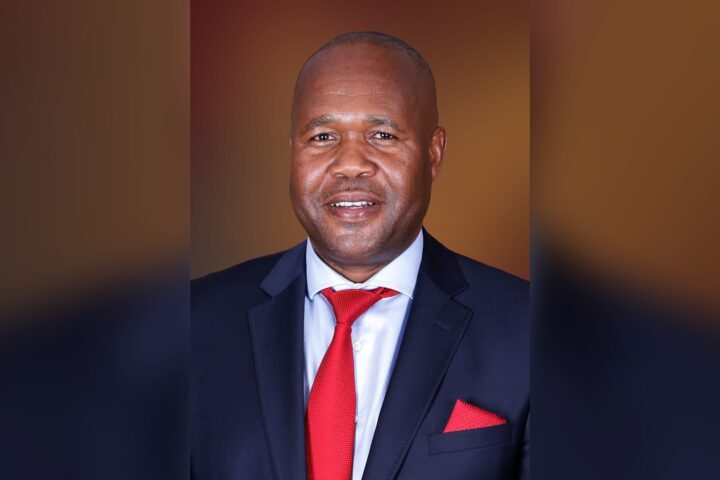
Opening the festival, Hlengani Mathebula, director of the Tshwane School for Business and Society, said entrepreneurship was an important driver of innovation, economic opportunities and social transformation.
He said South Africa needed to create an environment in which entrepreneurs could “establish, sustain and grow” their businesses, with access to resources, markets, networks and supportive conditions.
Mathebula added that higher education institutions had a responsibility to go beyond academic knowledge and equip students to identify opportunities, solve problems and contribute to the economy.
He emphasised the importance of collaboration between universities, industry, financial institutions, government and the business community.
The discussions reinforced the need for an entrepreneurship ecosystem that does more than encourage people to start businesses, but also helps them access finance, secure customers, meet compliance requirements and create sustainable employment.