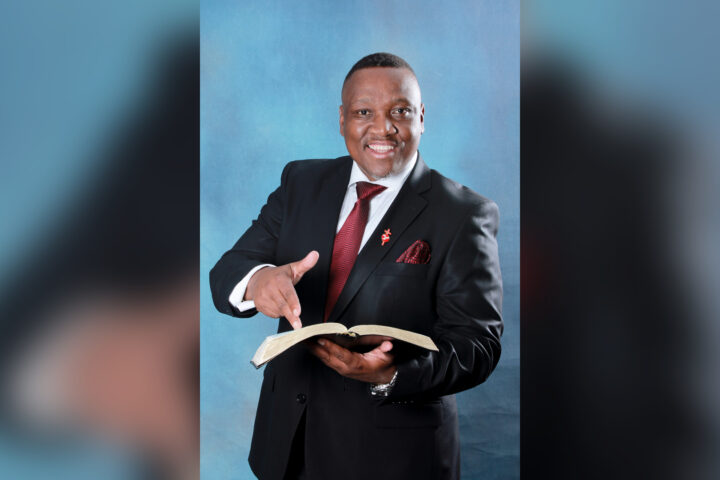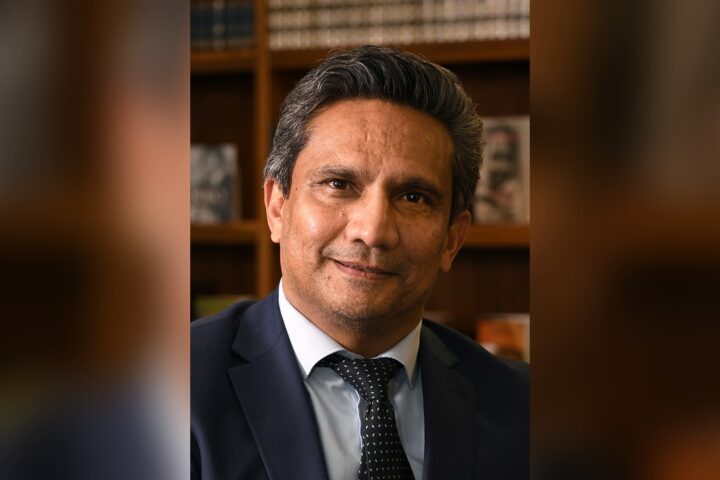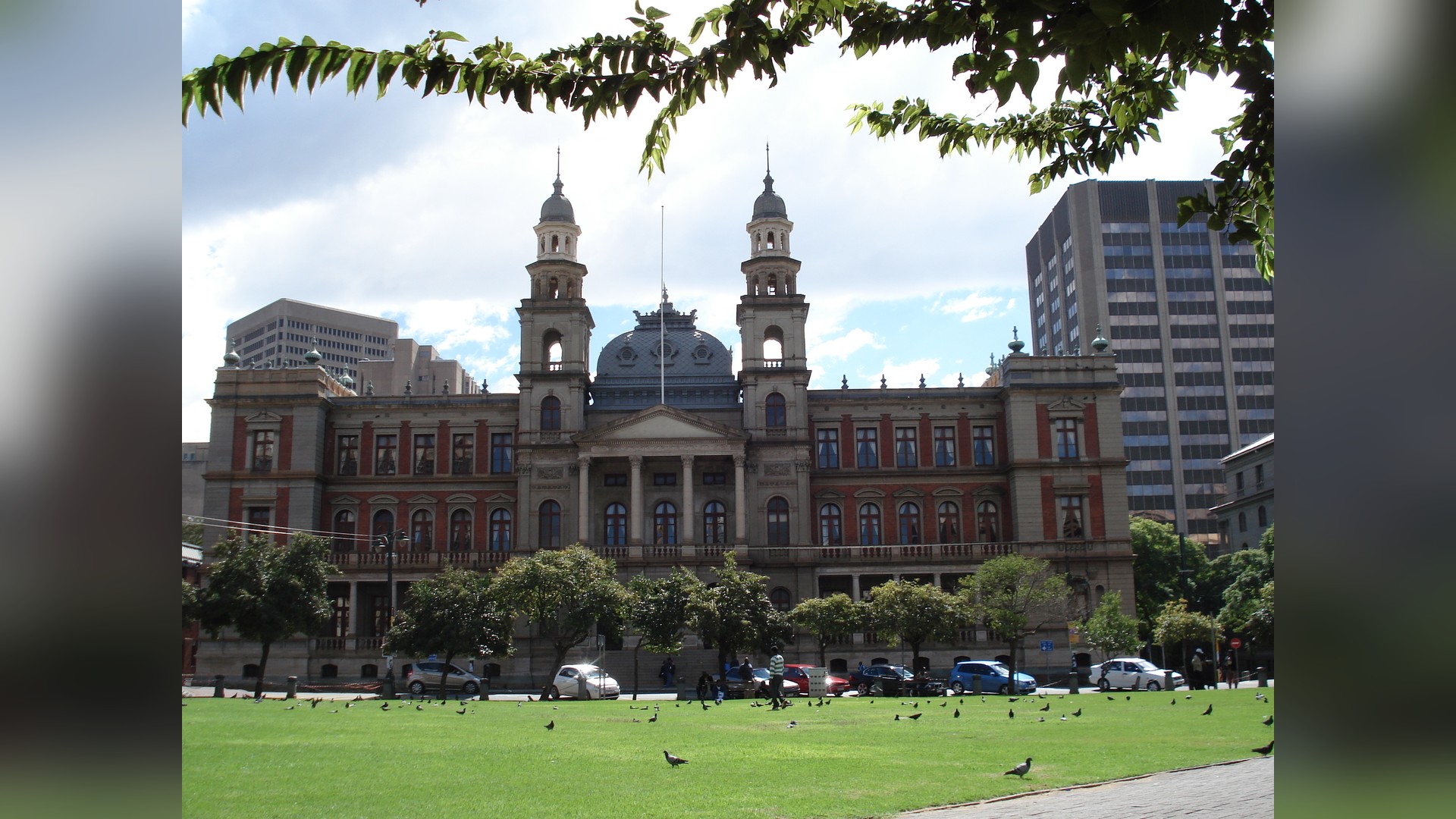
Rivers of Living Waters Ministries founder Bishop Stephen Bafana Zondo has explained how his church functions, detailing its prayer sessions, counselling services and the procedures followed when congregants seek personal assistance, as he took the witness stand in his rape trial at the Pretoria High Court on Tuesday.
Zondo, who is facing 10 charges, including rape, indecent assault and defeating the ends of justice, gave the court an account of how members of his congregation are directed to counselling sessions and individual consultations with him.
Seven women have accused the bishop of rape. The court has previously heard claims that he allegedly invited women to his office under the guise of offering prayers before sexually assaulting or raping them. Some of the complainants testified in open court, while others gave their evidence behind closed doors.
Before discussing the church’s operations, Zondo provided details of his upbringing and personal history. He told the court that he was born in the Free State and relocated to the former Transvaal in 1972.
The 60-year-old said he came from a family of eight children and grew up in financially difficult circumstances. He testified that six of his siblings had since died, leaving him and his older brother, Abraham.
Zondo told the court that he founded Rivers of Living Waters Ministries in 1988, initially holding services at his home with children from his neighbourhood.
“I started it from scratch,” he said.
He characterised the ministry as a Pentecostal charismatic Christian church and explained that his theological education included correspondence studies.
Zondo said he attended the Rhema Training Centre before completing a bachelor’s degree in theology at Grace and Truth College in Dayton, Ohio, in the United States. He told the court that the programme took three years to complete.
He further testified that he received his ordination as an archbishop in 2013 through the Christian Cathedral Church and College.
The bishop identified the Evaton branch as the church’s mother congregation, while its central administrative office is based in Johannesburg.
According to Zondo, the ministry has branches across seven provinces, with congregations in Pretoria, Bloemfontein, KuGompo City, Polokwane, QwaQwa, Mahikeng, Klerksdorp, Potchefstroom and Rustenburg, as well as in other countries.
He said the church’s membership had dropped to approximately 11,000, compared with an estimated 35,000 congregants it previously had across South Africa. This figure did not include members based outside the country.
Providing an overview of the ministry’s infrastructure and administration, Zondo told the court that the following arrangements were in place:
The Evaton church building consists of three levels, comprising the main floor, a balcony and an overflow section, with space for approximately 3,000 people.
The ministry has around 45 employees, among them five full-time pastors who handle counselling and other religious responsibilities.
Its operations are divided into two sections: the administrative and financial functions fall under the business side, while preaching, prayer and counselling are handled by the spiritual division.
Wednesday services take place between 11am and 3pm, drawing approximately 400 to 600 people. Sunday worship is held at 9am and 11am, with attendance exceeding 2,000 congregants.
Explaining the process followed during prayer sessions, Zondo said services generally open with a sermon before the entire congregation is prayed for.
Congregants who require personal prayer are subsequently invited to the front for individual attention.
He explained that members who are ill but can still walk are assisted near the pulpit, while those who are critically ill or cannot sit are accommodated in a designated section.
“Some of them can’t sit. Some are being brought by mattress, some by wheelchair. Some come walking with crutches,” he told the court.
Zondo said he generally conducts prayers for congregants himself, although he occasionally involves other pastors to assist with the process.