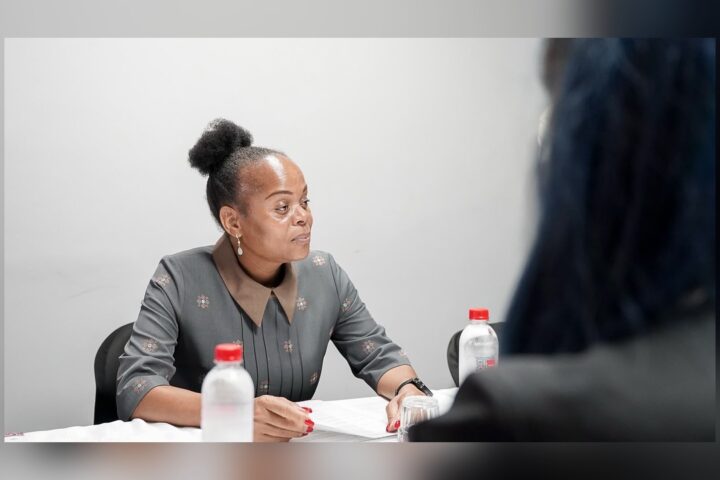
Limpopo Premier Dr Phophi Ramathuba has called on government to do more than fund and train women entrepreneurs, urging departments to become direct customers of the businesses they support.
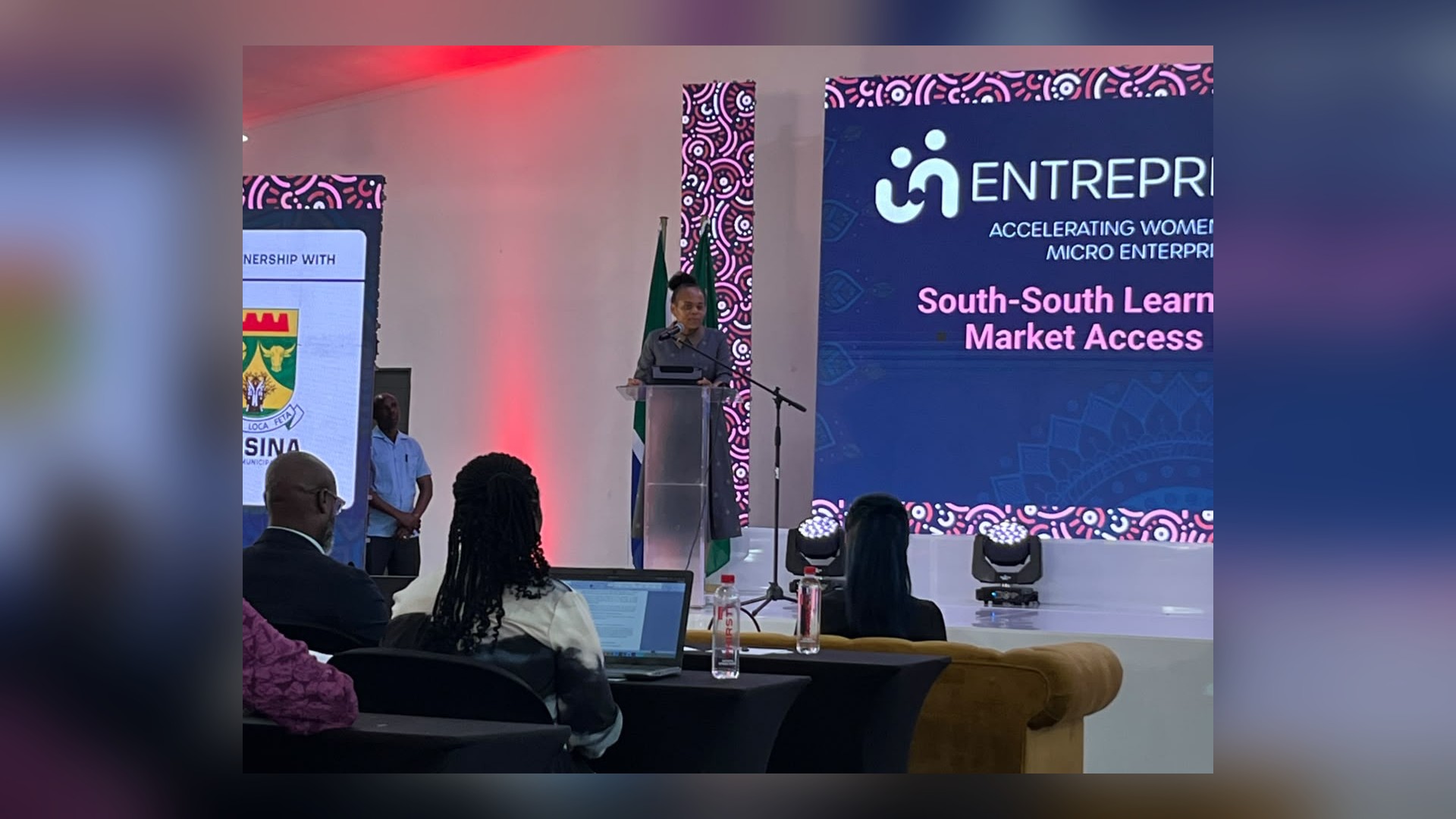
Speaking at the opening of the 2026 Entrepreneur South-South Learning and Market Access Expo in Polokwane on Tuesday, Ramathuba said women entrepreneurs continued to face unnecessary barriers when trying to secure government contracts, despite producing goods and services that public institutions need.
“Your first client to consume whatever we are producing must be this very same government that has supported our empowerment,” she said.
Ramathuba said complicated tender processes and administrative requirements continued to exclude small businesses from procurement opportunities, particularly those in rural communities.
She pointed to women producing agricultural goods, including cabbage, who struggle to supply government institutions despite potential demand from hospitals and school nutrition programmes.
“The women who are producing cabbage will never get that tender to supply it. Someone who knows nothing about how to plant cabbage gets the contract, while the woman who actually produces it is left out,” she said.
She urged women entrepreneurs to build networks, pool resources and move beyond isolated ventures into collective investment in manufacturing and other industries.
Ramathuba also emphasised regional trade, saying businesses in South Africa, Botswana and Namibia should increasingly view one another as customers and trading partners.
“We must start buying from each other. We must appreciate that we are a market to ourselves,” she said.
The three-day expo, held during Global Entrepreneurship Week under the theme Entrepreneurs Thrive Here, brings together women entrepreneurs, policymakers, development partners, financial institutions, academia and private-sector representatives from the three countries.
It will feature business-to-business matchmaking, sector masterclasses, financial inclusion engagements and a policy dialogue on inclusive procurement, care services, intellectual property protection and digital inclusion.