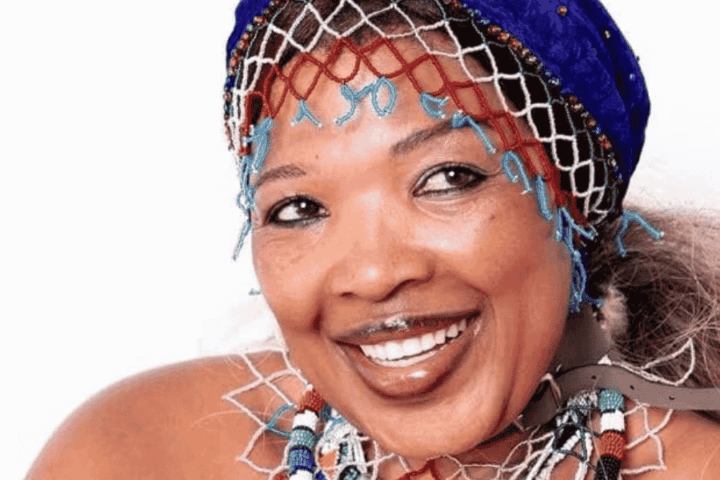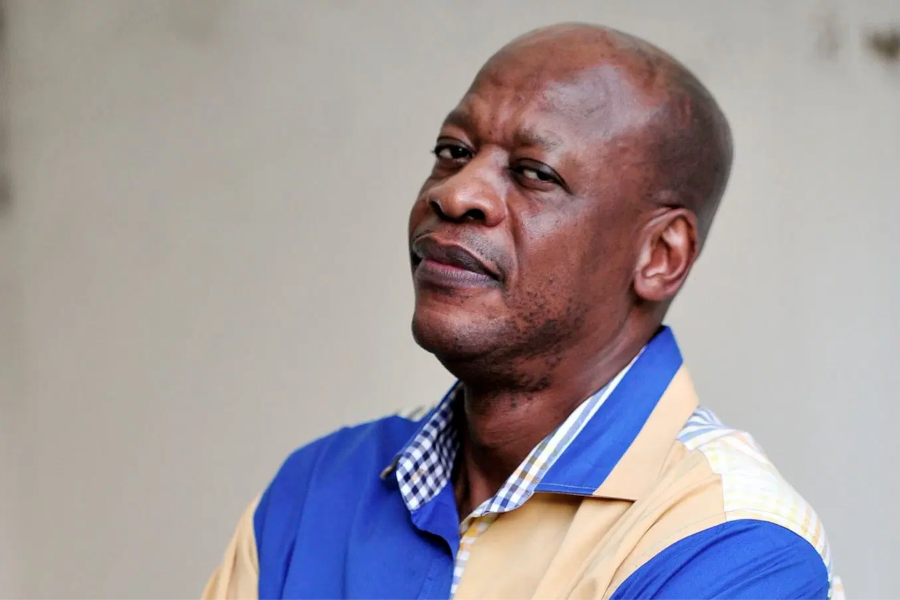
Veteran poet and anti-apartheid activist Mzwakhe Mbuli has criticised claims that Tuesday’s anti-illegal immigration shutdown cost South Africa government R600 million, describing the figure as an exaggeration while defending the constitutional right of citizens to protest.
Speaking before joining the anti-illegal immigration march and shutdown in Johannesburg on Tuesday, 30 June, Mbuli said estimates that the protest would cost the SAPS R600 million were intended to discredit demonstrators.
“R600 million? These people are supposed to wake up and go to work. So why R600 million? Exaggeration does more harm than good,” Mbuli said.
He said South Africans had every right to demonstrate against illegal immigration and accused the government of failing to secure the country’s borders.
“People have a constitutional right to march and to protest. Protest about what? About illegal foreigners, undocumented foreigners in this country,” he said.
Mbuli was particularly outspoken about Nigerian nationals, claiming they were central to criminal activity in South Africa.
“The main culprits are the Nigerians. Call a spade a spade. Don’t tap dance around the truth. Nigerians are a problem in this country. They are not here to work. They don’t wake up in the morning and go to work. Check where they stay. What do they do?” Mbuli said.
He went on to question why many Nigerians had travelled through several countries before arriving in South Africa.
“How many countries did they skip before they came to South Africa? If they are desperate, they must go and face Boko Haram rather than come here,” he said.
The outspoken activist also criticised South Africa’s border management, saying illegal immigration had been allowed to continue unchecked for years.
“Our border is a so-called border because it’s a walk in the park. It’s not acceptable. People have been coming for so many years. It didn’t start today,” he said.
He accused the government of failing to protect South Africans from crime, saying the country had become increasingly lawless.
“It shows that the government has failed. A lot of people have been killed in this country. These guys even got to the extended of pushing the police officers as though they were above the law. It’s lawlessness. It’s not acceptable,” he said.
Mbuli also used the occasion to reflect on South Africa’s liberation struggle, rejecting suggestions that the country’s freedom was won primarily through the efforts of other African nations.
“We fought for ourselves. I was tortured. I was shot at. My home was bombed. We were where the heat of the struggle was. Don’t tell us other people fought for us,” he said.
The anti-illegal immigration march formed part of a nationwide shutdown organised by civic groups calling for tighter border security, stronger enforcement of immigration laws and action against undocumented foreign nationals.
Police maintained a visible presence throughout the demonstrations, which took place amid heightened debate over illegal immigration, crime and border security. While organisers insisted the protests were directed at illegal immigration rather than lawful migrants, civil society organisations have warned that such demonstrations should not result in violence or discrimination against foreign nationals.