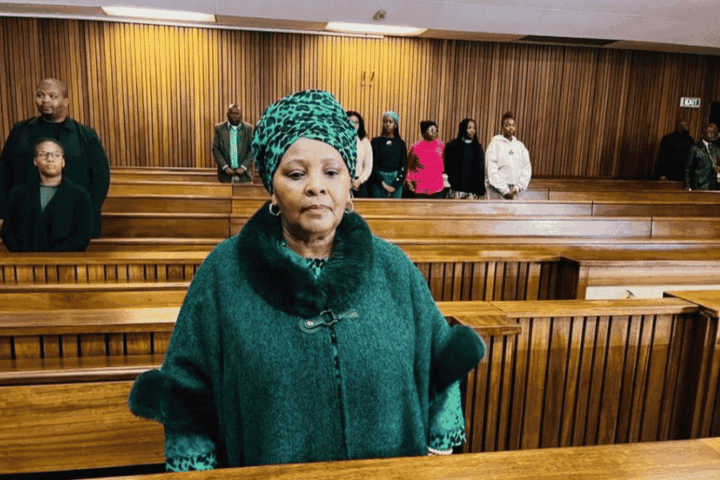
The Constitutional Court has delivered a devastating judgment against Parliament’s handling of the Phala Phala scandal, ruling that the National Assembly unlawfully blocked impeachment proceedings against President Cyril Ramaphosa despite findings that he may have committed serious constitutional violations.
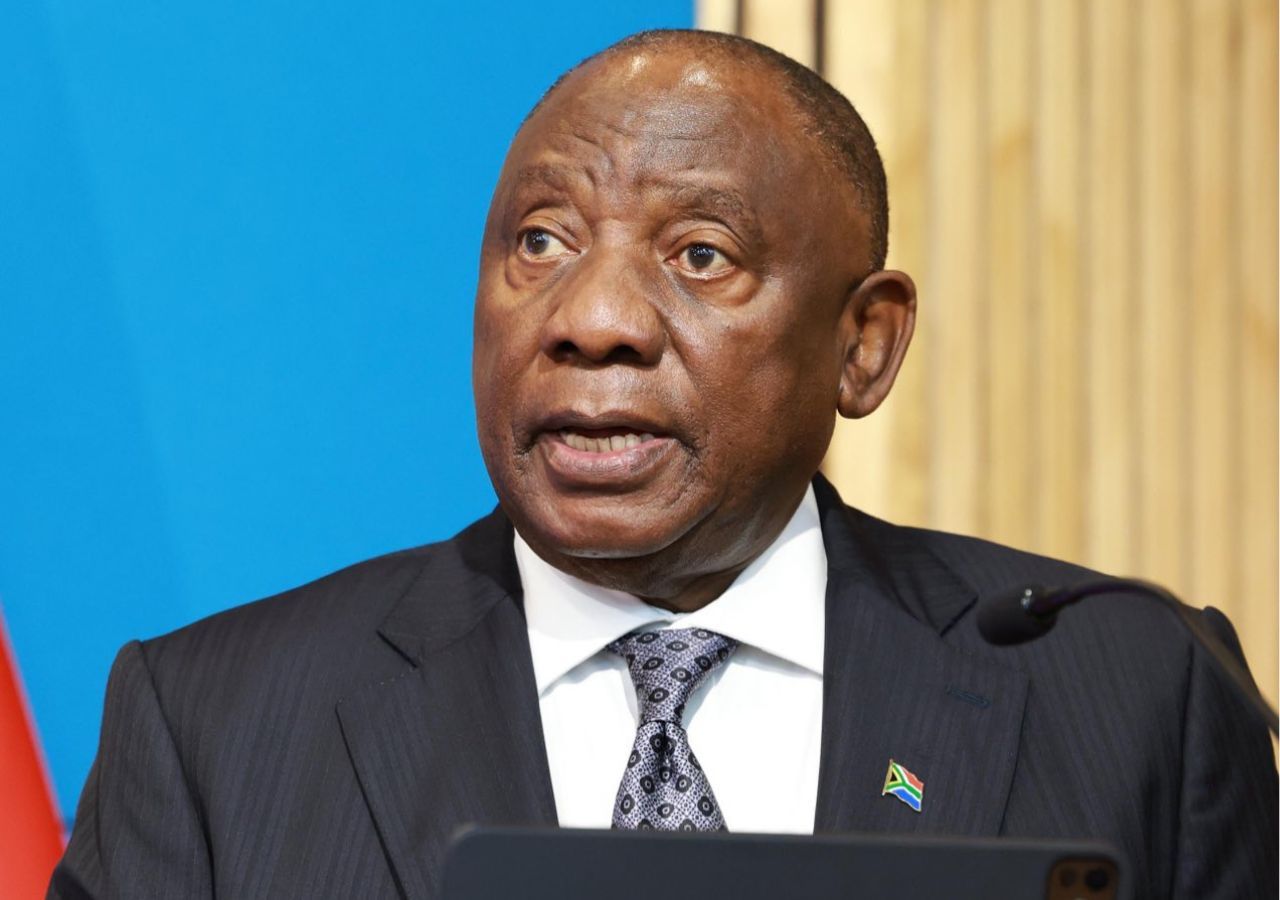
In a landmark ruling handed down on Friday, the apex court declared Rule 129(i)(b) of the National Assembly rules unconstitutional and invalid, effectively dismantling the mechanism that ANC MPs used in 2022 to shield Ramaphosa from a full impeachment inquiry.
The court also set aside the controversial December 13, 2022 vote in which the ANC-majority Parliament rejected the recommendation that the Phala Phala report be referred to an impeachment committee.
The ruling revives impeachment proceedings that had effectively been buried by the governing party at the height of the political storm surrounding the president.
The Constitutional Court found that Parliament’s impeachment process failed constitutional standards because MPs were allowed to terminate proceedings even after an independent panel had concluded there was sufficient evidence suggesting the president may have committed serious misconduct.
In doing so, the court stripped Parliament of its discretion to shut down impeachment proceedings once an independent panel has found prima facie evidence against a sitting president.
Pending changes to parliamentary rules, the court ordered that Rule 129(i) must now be interpreted to mean that whenever an independent panel finds sufficient evidence, the matter “must be referred” to an impeachment committee for a full inquiry.
The court further clarified that even where a panel finds insufficient evidence, the National Assembly may still decide to proceed with an inquiry, which must then also be referred to an impeachment committee.
The Constitutional Court referred the report of the independent Phala Phala panel directly to Parliament’s impeachment committee.
The explosive judgment marks a major political and constitutional setback for Ramaphosa and reopens one of the darkest controversies of his presidency.
The Phala Phala scandal dates back to February 2020 when a large amount of foreign currency was stolen from Ramaphosa’s luxury game farm in Limpopo.
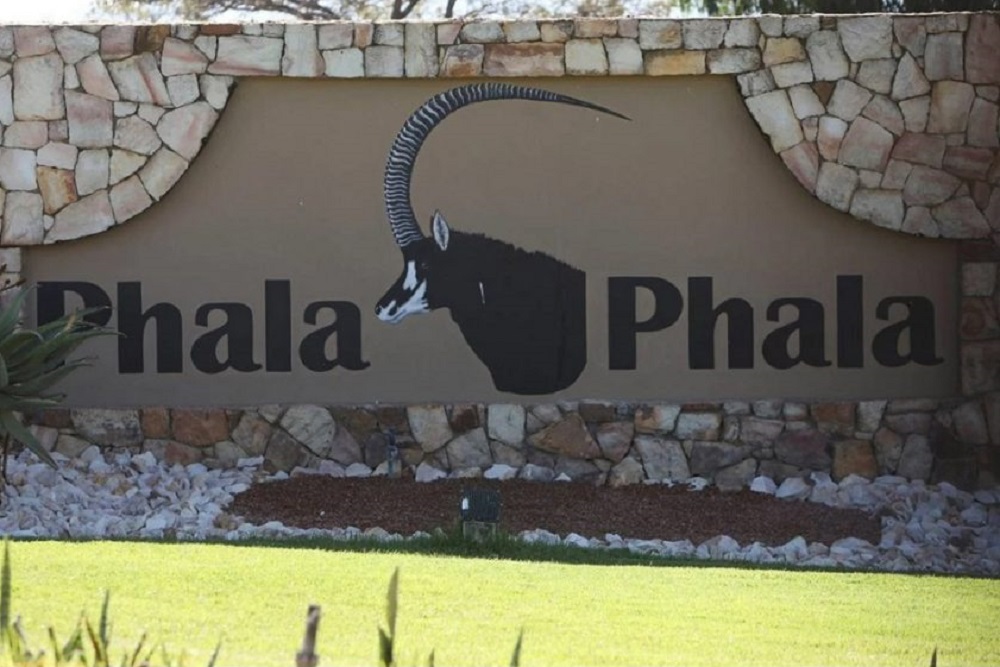
The matter exploded into the public domain in June 2022 after former State Security Agency director-general Arthur Fraser laid criminal charges against Ramaphosa.
Fraser alleged that approximately $580,000 stolen from the farm had been concealed from authorities and that state resources were improperly used to track down the suspects involved in the theft.
Ramaphosa denied wrongdoing, insisting the money came from a legitimate buffalo sale to Sudanese businessman Hazim Mustafa.
As pressure mounted, Parliament established an independent Section 89 panel chaired by former Chief Justice Sandile Ngcobo to determine whether there was prima facie evidence that Ramaphosa had violated the Constitution or committed serious misconduct.
In November 2022, the panel concluded that Ramaphosa had a case to answer and may have committed serious constitutional violations.
But despite those damning findings, ANC MPs used their majority in the National Assembly to vote against adopting the report, effectively killing the impeachment process before it could begin.
The move sparked outrage from opposition parties, with the Economic Freedom Fighters and the African Transformation Movement taking the matter to the Constitutional Court.
The parties argued that Parliament had abandoned its constitutional duty to hold the president accountable and had instead acted to politically protect Ramaphosa.
Although the Constitutional Court heard arguments in late 2024, the lengthy delay in delivering judgment drew criticism from opposition parties and legal experts, many of whom questioned why the country’s highest court had taken more than a year to rule on a matter of such national importance.
Friday’s ruling now places Parliament under renewed pressure to proceed with a full impeachment inquiry into the Phala Phala scandal — a process that could once again plunge Ramaphosa’s presidency into political turmoil.