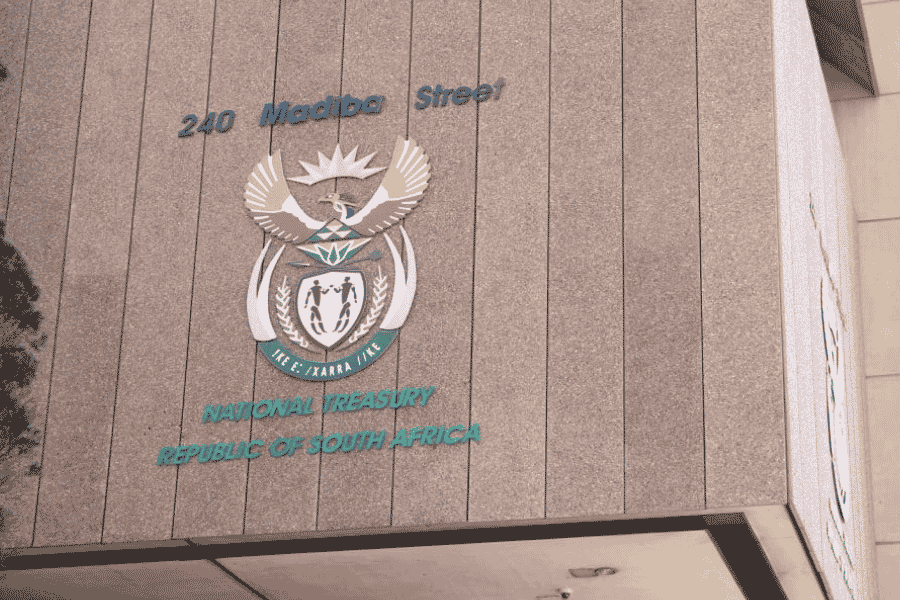
Scores of black-owned workshop owners under the R43-billion RT46 transversal contract were forced to march to National Treasury in Pretoria for the second time in a month on Tuesday, demanding payment and work allocation to save their businesses from total collapse.
The small businesses, affiliated to the Automotive Workshop Association of South Africa (AWASA) and the Motor Industry Federation of Associations (MIFA), say they have not been paid and have not received a single job since Afrirent Automotive Solutions took over the contract on July 1.
All affected merchants operating under the RT46 contract, which covers the repair and maintenance of the entire government fleet, resolved to embark on a peaceful mass action to Treasury after months of being ignored.
Desperate owners arrived carrying unpaid invoices and bank statements, pleading for a timeline to resolve the crisis.
Their workshops are closing, workers are being retrenched, and more than 100,000 government vehicles – including police vans, ambulances and correctional services vehicles – are stuck in workshops across the country, some since April.
Once again, they left empty-handed.
During the march, they were met by a representative from the Director-General’s office who offered little more than a promise to escalate the matter.
“I come from the office of the director-general. What I’m committing to do I will engage with the right people from the office and indicate that they should have a meeting with all the people who are involved in this process. All I can do is to take it directly to the office so that you can get help,” the official told the crowd.
The members, who have been surviving on overdrafts and loans, had asked for clear timelines on when the non-payment and non-allocation of work would be fixed. None was provided.
The crisis has been brewing since the transition from WesBank, which previously administered the contract. WesBank stopped processing vehicles in April, leaving a backlog of about 20,000 vehicles that was handed to Afrirent. According to MIFA, that backlog has now ballooned into a national crisis.
MIFA Chairperson James Ngubeni had previously accused Afrirent of taking over a contract it was not ready to run.
The company was appointed in December last year and given six months to prepare, but failed to provide merchant codes in June and to allocate jobs.
“This is one of the biggest contracts in government that amounts to about R43 billion in five years,” Ngubeni said previously. “They were just not ready to take on the contract. On a daily basis, they came up with excuses… and as a result, we have most of the workshops that have closed, which creates unemployment.”
He added: “As we speak, we have vehicles that have not been fixed since April, which means police and medics are working with less police cars or ambulances. Ambulances are not in hospitals because they are sitting in workshops waiting to be serviced. This is a national crisis.”
Workshop owners say the new self-allocation system meant to ensure fair distribution of work among Historically Disadvantaged Individuals has never worked.
Afrirent previously denied wrongdoing, saying its contractual relationship is with the Department of Transport and National Treasury and that it remains committed to HDI participation. Treasury has said it is premature to judge the company’s performance.
For the SMMEs who marched on Tuesday, that explanation offers no relief as their doors shut one by one.