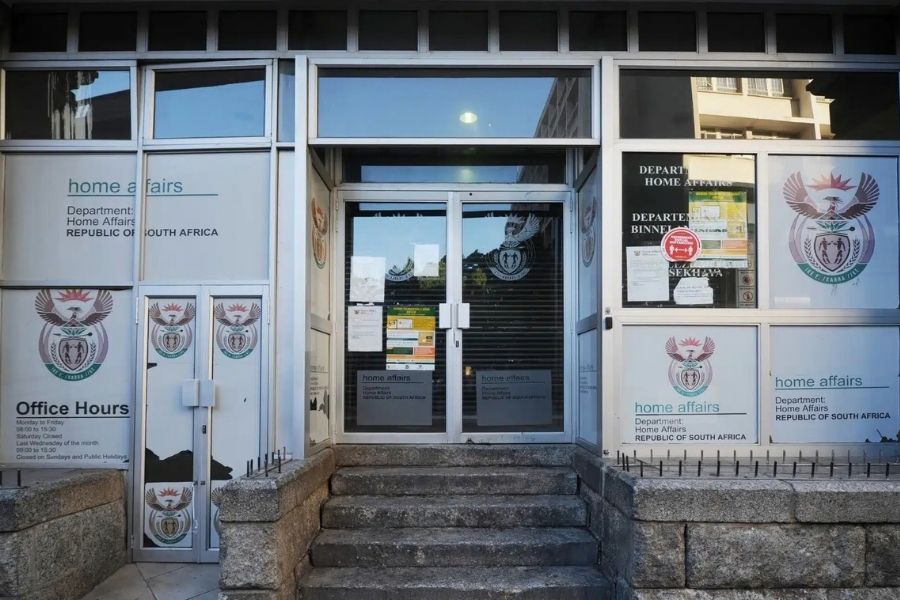
The Department of Home Affairs will introduce a phased online registration and appointment system for asylum applications by November 10 as the government grapples with growing public unrest and overcrowded offices following a Constitutional Court ruling.
The decision comes after the department withdrew a directive issued on September 28, which triggered widespread unrest, including arson attacks in Soweto and Durban. The unrest followed an initial decision allowing foreign nationals to submit asylum applications at Home Affairs offices, resulting in the offices becoming overwhelmed.
Home Affairs has maintained that withdrawing the directive does not change its obligation to comply with the Constitutional Court ruling, which allows foreign nationals to access refugee reception offices regardless of whether they entered South Africa legally.
Justice Minister Mmamoloko Kubayi, who chairs the interministerial committee on immigration, said the new system would require asylum seekers to register their intention to apply for asylum through an online platform before receiving an appointment.
Under the proposed system, applicants would receive an online receipt confirming their registration, along with an appointment at a refugee reception office.
Kubayi said applicants would also be required to submit their biometric information before receiving a reference number and an appointment date.
She emphasised that the receipt would not constitute a section 22 asylum seeker visa or confirm that an individual had been granted refugee status.
Instead, the document would serve as evidence that a person had expressed an intention to apply for asylum, thereby activating the legal protections applicable to the process.
Kubayi said the receipt would provide proof of the applicant’s intention and enable the department to implement the necessary legal protections.
She added that Home Affairs would instruct border officials, immigration inspectors and departmental employees not to arrest, detain or deport people holding valid receipts solely because they did not have visas while their asylum applications were pending.
According to Kubayi, the new system was designed to ensure that the Constitutional Court judgment could be implemented without placing additional pressure on the department’s already strained administrative operations.
She said the government believed the proposed approach would allow it to meet its constitutional obligations through a lawful and organised process that considered practical challenges and the public interest.
Kubayi also announced that the government would approach the court to request a supervisory order and a suspension period to facilitate the implementation of the judgment.
She explained that the proposed order could grant the department additional time to improve its administrative systems, strengthen its human resources, upgrade infrastructure and expand its processing capacity to ensure the judgment was implemented effectively and sustainably.
The proposed online system would not allow individuals whose asylum applications had already been finally rejected to submit fresh claims.
Kubayi explained that people whose previous asylum claims had been finally rejected were in a different legal position because the law did not entitle them to submit subsequent applications simply by declaring a renewed intention to seek asylum.
She said such individuals could not reactivate the protection provided under section 2 of the relevant legislation by declaring their intention to apply again.
Kubayi warned that applicants who failed to attend their scheduled appointments without requesting an extension supported by a valid reason would have their applications discontinued and would face deportation.
She stressed that the government would continue enforcing immigration laws despite the changes being introduced to the asylum application process.
Kubayi said deportations had not been suspended and would continue as the government worked to implement the court ruling.
She added that the government was confident it could strike a balance between meeting its constitutional obligations and addressing public concerns, but would need additional time and patience to achieve this.
Kubayi said the government would formally request the necessary time from the court while appealing to South Africans to remain patient as the new system was implemented.
She acknowledged the frustration among members of the public, saying the government understood their concerns and had taken note of the issues they had raised.