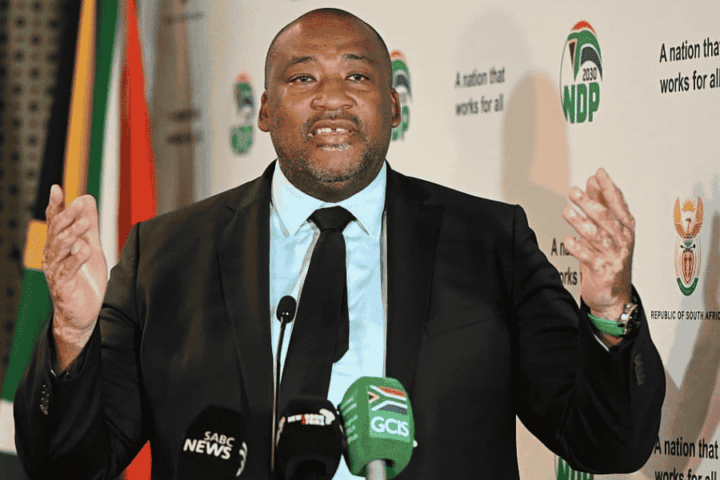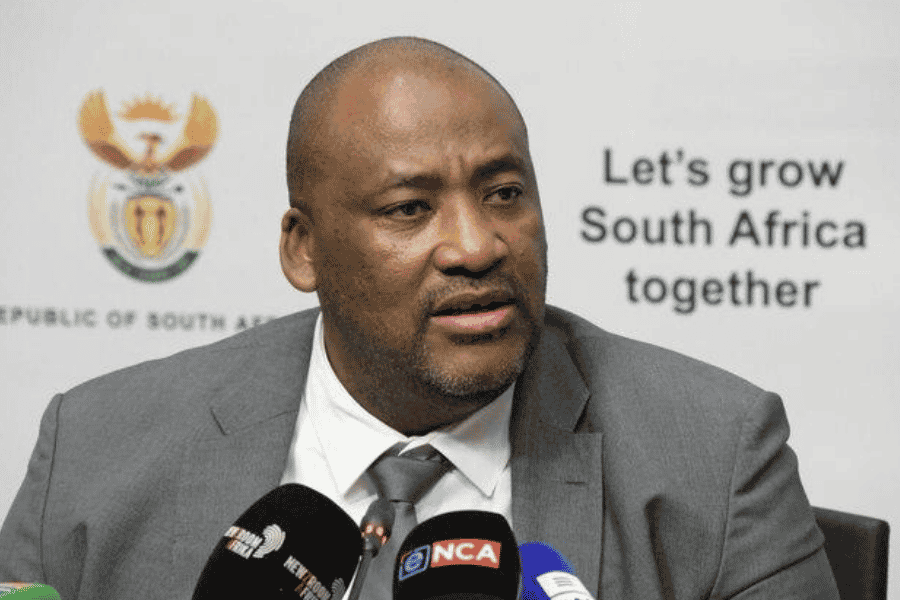
The National Film and Video Foundation (NFVF) has been plunged into another governance crisis after Sport, Arts and Culture Minister Gayton McKenzie dissolved its council with immediate effect.
McKenzie signed the decision on Wednesday, bringing the council’s tenure to an abrupt end.
The decision follows a series of governance failures surrounding the appointment of an acting chief executive officer.
It also raises questions about decisions, approvals and expenditure made while the irregular arrangement was in place.
The Minister’s decision is scathing.
It says the council exercised a power it now accepts it did not have under the National Film and Video Foundation Act.
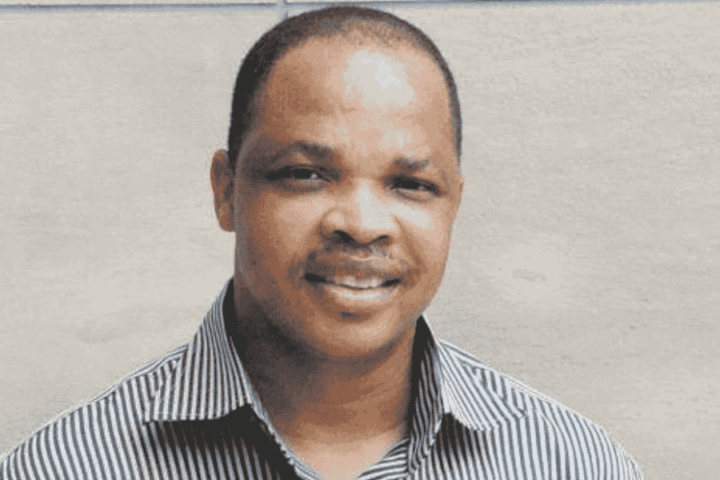
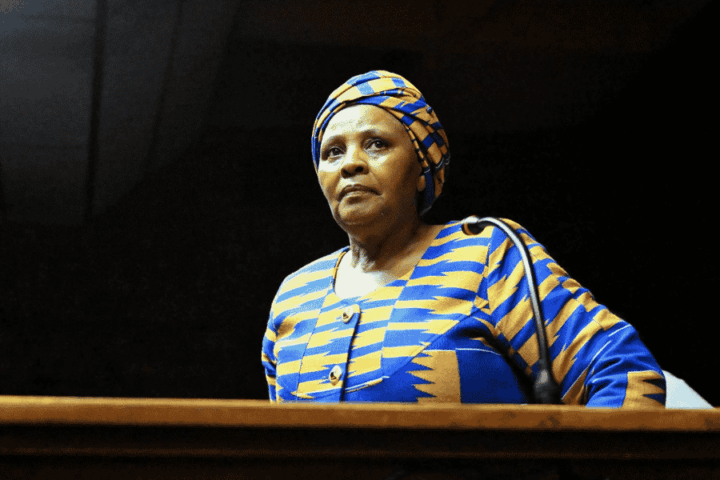
At the centre of the dispute is the appointment of Ms Madlala as acting CEO.
The council admitted that section 13(4) of the Act did not allow it to appoint an acting CEO from outside the Foundation.
More significantly, the council did not argue that Madlala’s appointment was lawful.
Instead, it said the appointment was necessary because of circumstances confronting the Foundation, including whistleblower allegations and concerns about employees.
The Minister rejected that justification.
He said operational necessity could not create a legal power that the Act did not give the council.
“The fact that the Council considered the appointment to be necessary or preferable in the circumstances does not itself confer a statutory power which the Act does not provide,” the decision states.
But the problems did not end there.
Madlala had also remained a member of the council while purportedly serving as acting CEO.
Her resignation from the council had not complied with the law.
The Act requires such a resignation to be addressed to the Minister.
According to the decision, that did not happen.
This created a serious governance problem.
The council was responsible for overseeing the CEO while one of its own members was effectively occupying the executive position.
The Minister had already warned the council about the problem.
On 7 July, he raised concerns about Madlala’s eligibility, her continued council membership and the resulting governance implications.
The council was asked to correct the situation through a lawful arrangement.
It did not immediately do so.
The Minister says the council initially defended the arrangement, relying on operational circumstances and its interpretation of its responsibilities.
It eventually obtained legal advice. Madlala’s acting appointment was terminated.
Ms Neliswa Bam was then appointed acting CEO. But by then, the damage had been done.
The Minister says fixing the immediate problem did not resolve the broader governance concerns.
He also raised the possibility that decisions, approvals and expenditure undertaken while Madlala purported to act as CEO may have to be examined.
That is potentially one of the most consequential parts of the decision.
The Minister says an objective and appropriately independent assessment may be necessary.
That is because the decisions were taken by the current council, which initially defended the arrangement.
The council had proposed that the problems could be addressed by simply appointing a new chairperson.
McKenzie rejected that approach. He said the problem was collective.
The decision points to the council’s original decision, its initial position on the legality of the arrangement, the subsequent correction and the need to examine the consequences.
A new chairperson, the Minister concluded, would not be enough. The NFVF is not an ordinary organisation.
It is a statutory body created to support and develop South Africa’s film and video industry. Its mandate includes funding, training, development, production, marketing and distribution.
Its council is therefore supposed to provide oversight and strategic direction to an institution handling public resources and supporting an industry dependent on funding and institutional stability.
The timing is particularly significant because the NFVF is also dealing with the PESP6 funding cycle.
The council warned that its dissolution could affect funding approvals, employees and participants in the film and television sector.
The Minister acknowledged those risks. But he said they did not outweigh the governance concerns.
He also made clear that the NFVF itself would not disappear.
The Foundation remains a juristic person.
The Department will put interim arrangements in place to protect lawful operations, including approved and committed funding.
The dissolution also does not automatically terminate investigations or litigation involving the Foundation.
Instead, those matters will continue under arrangements involving management and the Department.
The Minister’s final conclusion is devastating for the council.
He said the cumulative circumstances had resulted in a “material loss of confidence” in the council’s ability to provide the lawful and accountable governance required by the Act.
The council’s members have therefore been removed from office.
They have been instructed to return Foundation property, records, documents and electronic devices.
They must also cooperate with the handover of the Foundation’s affairs.
The Department will now begin the process of appointing a new council.
The decision is effective from 23 September 2026.
The Minister was careful to draw a line between governance failure and personal wrongdoing.
He expressly stated that the decision was not a finding of dishonesty, fraud or personal misconduct against individual council members.
But the institutional indictment is difficult to miss. The council exercised a power it accepts it did not possess.
It allowed an arrangement to continue after legal concerns had been raised.
It initially defended the arrangement. And the consequences of decisions taken during that period may now require independent examination.
For an institution entrusted with developing South Africa’s film and television sector, the question is no longer simply why the irregular appointment happened.
It is what happened while it was in place.
And whether any decisions, approvals or expenditure made during that period will withstand scrutiny.