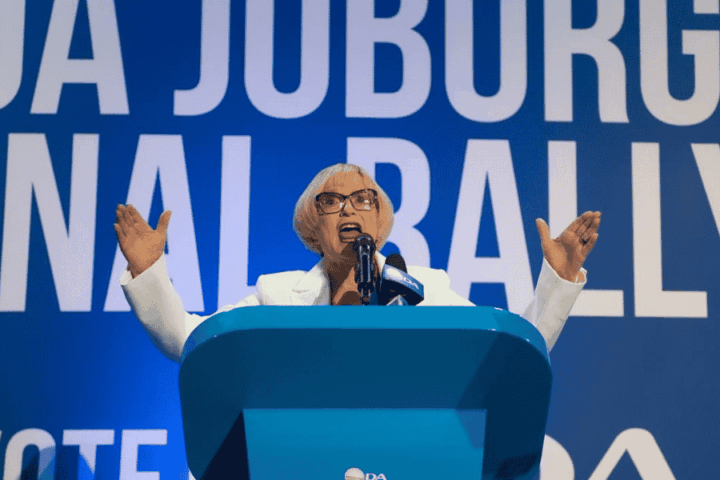
Communications specialist and media personality Kay Sexwale has fired a broadside at whisky brand The Glenlivet over its controversial advertising campaign that invoked the historic 1956 Women’s March against apartheid.
Sexwale has taken aim at the brand and its corporate owner, Pernod Ricard, questioning how the campaign was conceptualised and approved before being published.
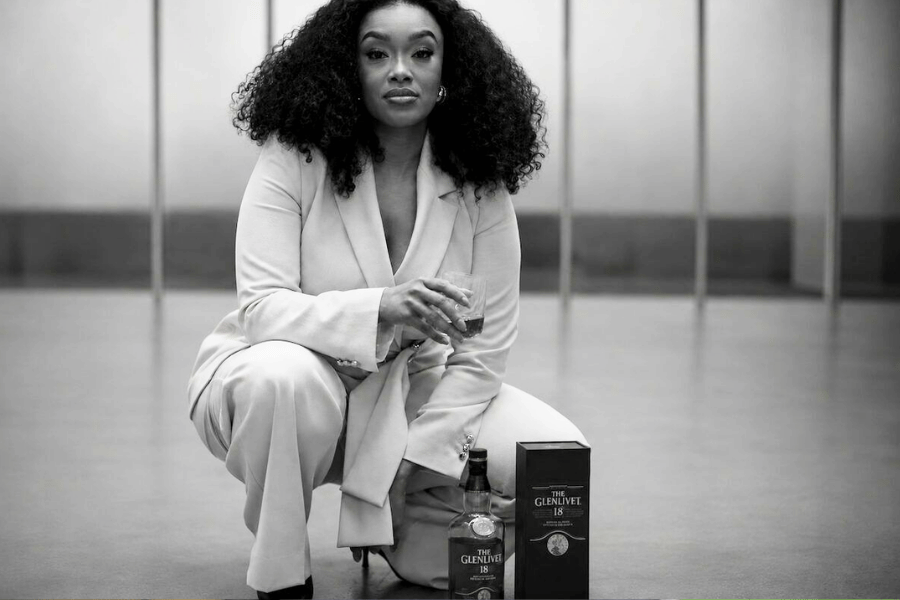
The Glenlivet apologised and removed the advert, which features actress Dineo Langa, nee Moeketsi, after it sparked outrage over its use of imagery and references linked to the women who marched to the Union Buildings in Pretoria in 1956.
In an open letter addressed directly to Pernod Ricard chairman and CEO Alexandre Ricard which Africa Daily has seen, Sexwale said the apology did little to answer the fundamental question of who approved the controversial campaign.
“Because somewhere between the first creative brainstorm and the moment that campaign went live, there must have been an entire room full of adults,” Sexwale wrote.
The former radio talk show host questioned how people involved in the campaign could have failed to recognise the significance of the Women’s March, which saw more than 20,000 women protest against apartheid pass laws.
“Adults with access to Google. Adults with access to South African history, who presumably knew that the 1956 Women’s March was not a lifestyle aesthetic,” she wrote.
Sexwale particularly criticised the use of the legacy of struggle icons such as Sophie Williams-De Bruyn and Winnie Madikizela-Mandela in an advertisement for an alcoholic product.
“The 1956 Women’s March was not an aesthetic. It was not a marketing opportunity,” she wrote.
“It was an act of political defiance by women confronting a brutal system that sought to control their movement, dignity and lives.”
She said the women who participated in the march could not be reduced to marketing symbols stripped of the historical struggles that gave their images meaning.
“You do not get to extract the icon and leave the struggle behind,” she wrote.
Sexwale also questioned whether anyone involved in the campaign had considered the historical relationship between alcohol and black communities in South Africa.
She pointed to the notorious dop system during apartheid, where farm workers were partly compensated with alcohol, arguing that the history made the use of liberation imagery to sell whisky even more problematic.
But Sexwale said the controversy was about more than alcohol.
“Brands have become too comfortable with turning our struggle into aesthetic,” she wrote.
She also questioned the racial and cultural dynamics behind the campaign, asking who was in the room when the concept was developed and approved.
“How many white men in this Scottish brand team, operating under a French multinational and selling into South Africa, were sitting in the room when this idea was conceptualised?” she asked.
Sexwale further questioned how the campaign passed through Pernod Ricard’s African corporate structures before reaching the public.
She said deleting the advertisement did not undo the negative impact because copies had already circulated on social media and WhatsApp.
“The damage is no longer sitting neatly on The Glenlivet’s social media account waiting to be deleted,” she wrote.
Sexwale said South Africans deserved more than an apology and called for transparency about who conceptualised and approved the campaign and what historical and cultural considerations were taken into account.
“Deleting the post does not delete the thinking that produced it,” she wrote.
“And until that thinking is confronted, your apology is not the end of this conversation.”
For more information, read Sexwale ‘s full letter on our Opinion Pages.