South African music is experiencing a fresh surge of Zulu-rooted sounds, with Maskandi and contemporary Zulu music dominating the country’s digital music charts as a new generation of artists pushes the genre further into the mainstream.
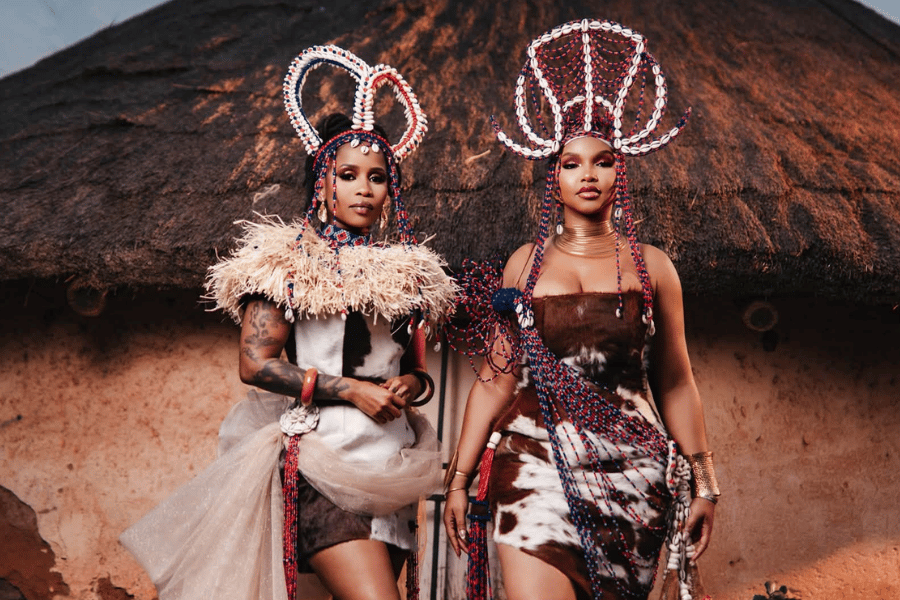
At the centre of the latest wave are Lwah Ndlunkulu and MaWhoo, who have joined forces as the Zulu Queens, alongside established Maskandi star Ntencane.
Their momentum is reflected in the latest South African iTunes chart, where the Zulu Queens’ Distance, featuring Feza, sits at No. 5 overall.
The track is competing against international heavyweights, with Dolly Parton occupying several positions near the top of the chart, making the performance of a Maskandi-rooted song particularly notable.
The chart is also showing a broader pattern rather than a single hit.
Ntencane’s Ukhethe Mina is sitting at No. 14, while Phez’ Komuntu, a collaboration involving Zwide, Limit Nala and Saliwa, is at No. 16. Mzukulu’s Thandolwethu, featuring Zamambo Mkhize and Umfana weKhansela, is also among the leading tracks.
That concentration suggests that the current movement is not simply about one artist or one release.
‘Zulu Queens’ bring women to the centre of Maskandi
Lwah Ndlunkulu and MaWhoo released their joint 15-track album Isithembu on Friday under the Zulu Queens name.
The project brings together contemporary South African sounds and Maskandi while placing two prominent female voices at the centre of a genre historically dominated by men.
The album features artists including Feza, the legendary Izingane Zoma, Mthandeni and Siya Ntuli, creating a bridge between established Maskandi musicians and younger voices.
Distance, the project’s lead single featuring Feza, was released ahead of the album and has now become its biggest early chart signal.
It is currently ranked fifth on the South African iTunes chart.
The song combines Maskandi influences with contemporary Afro-fusion, Amapiano and electronic elements, reflecting the increasingly fluid boundaries between traditional South African music and the country’s modern pop sound.
The Zulu Queens project is also being framed by the artists as more than a conventional collaboration.
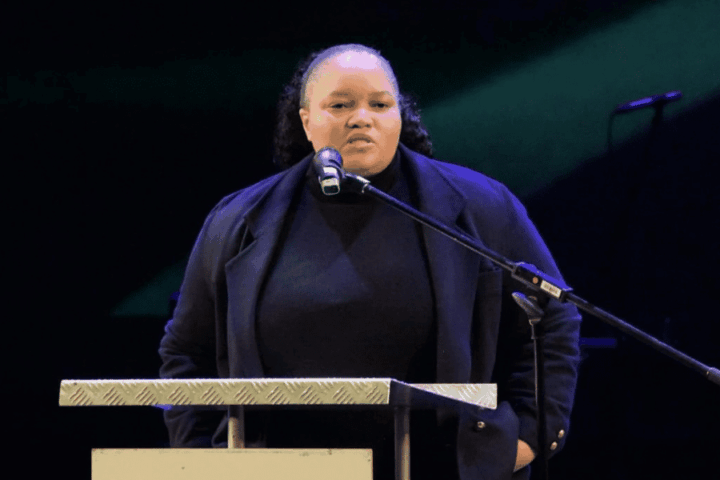
At the album announcement, MaWhoo described the project as a movement intended to connect different generations of Maskandi musicians, while Lwah Ndlunkulu said it was a celebration of culture, unity and women in music.
At the same time, Ntencane is showing that the renewed interest in Zulu music is not limited to a new collaboration.
His track Ukhethe Mina is currently in the South African iTunes Top 15 and also appeared in the country’s YouTube daily music chart, where it recorded more than 189,000 streams in the latest available data.
The song forms part of Ntencane’s Awuyiphumuze project and continues the artist’s long-running contribution to the contemporary Maskandi movement.
Ntencane’s resurgence comes shortly after another high-profile moment for the genre.
His appearance on Metro FM alongside broadcaster Tbo Touch, an interaction that generated a strong response among Maskandi listeners and helped place the traditionally rooted genre in a very different mainstream radio environment.
The chart positions point to something potentially bigger than the success of individual artists.
Alongside Distance and Ukhethe Mina, other Zulu-rooted releases are also performing strongly.
The current South African chart includes Sengithole Omunye by Feza, Thandolwethu by Mzukulu and Phez’ Komuntu by Zwide, Limit Nala and Saliwa.
This creates an unusual concentration of South African-language music near the top of a chart that also features global pop and country catalogue releases.
It also demonstrates how Maskandi is evolving.
Rather than remaining confined to a traditional audience, artists are increasingly blending the genre’s characteristic storytelling and cultural identity with Amapiano, Afro-pop, electronic production and contemporary collaborations.
For Lwah Ndlunkulu and MaWhoo, Isithembu takes that evolution a step further by placing female artists at the forefront of that conversation.
The question now is whether the current chart performance will translate into sustained streaming numbers, radio play, viral moments and demand for live performances.
For now, the numbers are sending a clear message, Zulu-rooted music is not merely surviving in South Africa’s modern music industry it is competing at the top of it.